
Halfway Between Memphis And Little Rock Is Arkansas' Riverside Refuge For Birding, Fishing, And Hunting
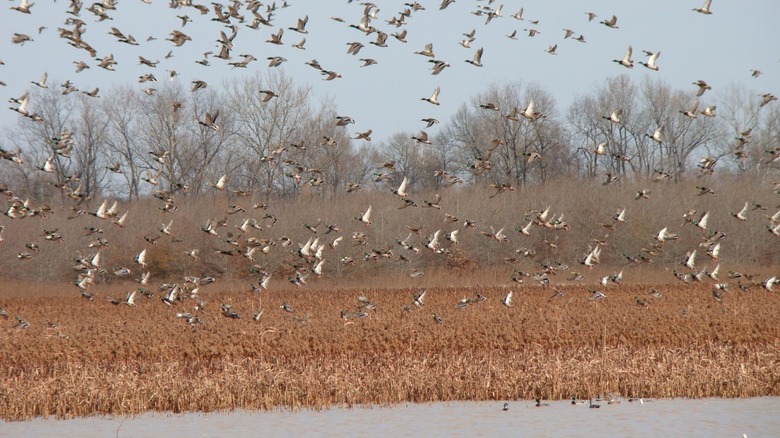
Arkansas is one of the South's premier destinations for outdoor adventure and rugged natural beauty. The state is a living tapestry of diverse landscapes, from the breathless trails and views in the Ozark and Ouachita Mountains to the whitewater rivers and pine forest ATV tracks. Arkansas is also home to 10 National Wildlife Refuges, which provide preserved nature havens for visitors to explore. One of these, the Cache River National Wildlife Refuge, offers over 70,000 acres of inspiring wilderness for birders, anglers, and hunters.
Since it was established in 1986 — a move made to protect important wetland ecosystems — this wildlife refuge has become a go-to outdoor recreation destination. It's smack dab in the middle of Little Rock and Memphis (about 80 miles from either), so it's a feasible day trip for locals and visitors of these cities and surrounding communities. The wildlife refuge forms part of the Arkansas Delta and comprises mostly forested wetland, hardwood groves, and river swamp.
As you explore Cache River National Wildlife Refuge, you'll encounter both the Cache and White rivers, as well as the Bayou DeView Water Trail. Lakes, sloughs, and channels populate the refuge's basin, attracting wading and migratory birds, white-tailed deer, bream, catfish, and much more. Whether you're visiting with your camera, fishing rod, binoculars, or rifle, you'll find various areas and experiences here. "Beautiful scenery," one visitor said in a Google review. "Went for the hunting and found what I was looking for."
Birdwatch, fish, and hunt at Cache River National Wildlife Refuge
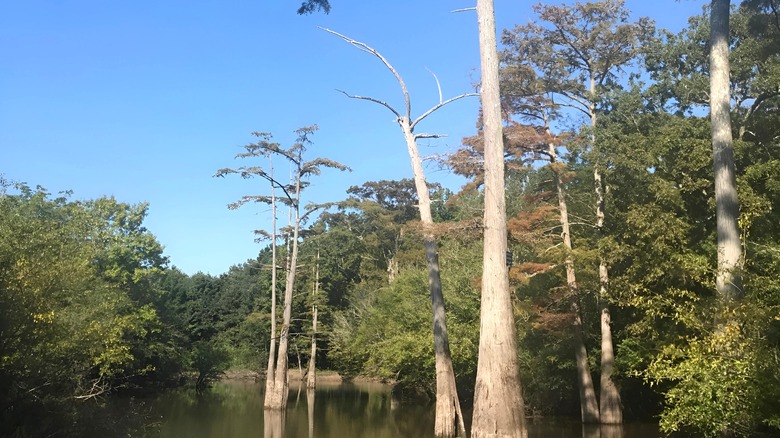
Don't mistake Cache River National Wildlife Refuge for the Cache River State Natural Area, Illinois' mysterious bayou with a green cypress swamp. Although they're located in different states and on different rivers, these destinations offer very similar activities. For birders, Cache River National Wildlife Refuge in Arkansas is an oasis of watching opportunities. You can spot over 200 species within these various ecosystems, including vibrant mourning doves, northern cardinals, blue jays, red-bellied woodpeckers, northern harriers, and great blue herons. Birders can walk multiple trails through the refuge, such as the 0.8-mile George Tract Birding Trail and the 2-mile Potters Landing Trail.
If you prefer spending time on the water, you can cast your line out in over 200 acres of small lakes or in the Cache and Bayou DeView rivers. The Cache River is a particularly great spot for reeling in catfish, crappie, bluegill, and bass. You might be able to find other swamp fish species in the lakes or the river's adjoining waterways, such as bowfin, needlenose gar, and grass pickerel. You can fish from the shore or launch motorized and non-motorized vessels — there are multiple concrete and gravel ramps for the latter.
When it comes to hunting, Cache River National Wildlife Refuge has an everyone-contributes approach to its environmental conservation. Hunters have actually helped preserve many of the ecosystems in which they hunt. The money they spend on Migratory Bird Hunting and Conservation Stamps helps the refuge purchase more land to protect. Depending on when you visit, you can hunt for waterfowl, deer, turkey, rabbit, and squirrel here. Winter is the best time for hunting waterfowl, particularly mallard ducks. Always carry your signed hunting permit and get permission from landowners if you need to cross private property at any point.
Planning your visit to Cache River National Wildlife Refuge
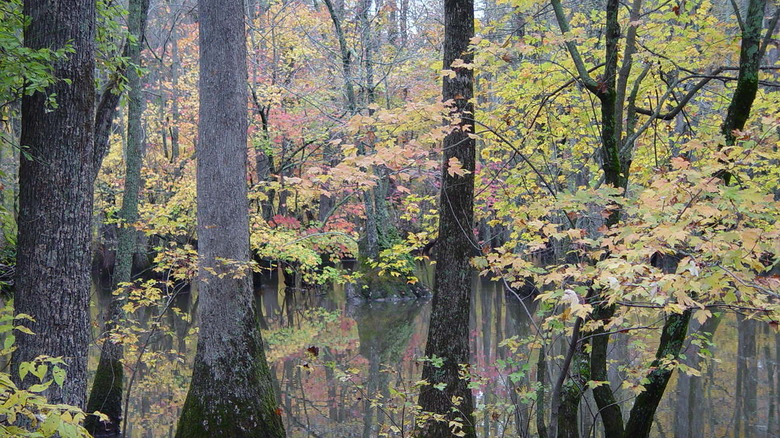
You can drive to Cache River National Wildlife Refuge in about 1.5 hours from either Little Rock or Memphis, making it an easy day trip for travelers looking to escape the city. It's best to drive here, especially if you're bringing watercraft (the refuge is also a popular spot for canoeing and kayaking). While it has a good reputation for hunting, fishing, and birding, you can also just visit to walk the trails and spot wildlife.
During your time there, keep an eye out for black bears. Arkansas only has around 5,000 in the state, but they live predominantly around the White and Cache rivers. Make sure to pack bear spray and be careful when exploring the refuge, especially if you're visiting during the bears' hyperphagia season, when it's more important than ever to be aware. Visitors should also avoid leaving food unattended and stay alert while hiking more isolated trails.
Camping and campfires aren't allowed in the refuge. You also can't drive ATVs here unless you're using them for hunting between September and February. If you want to stay closer to the refuge than Little Rock or Memphis, there are some lovely smaller towns and cities nearby. The city of Brinkley is Arkansas' quiet Delta hub with trails and hunting, only a 30-minute drive from the Cache River National Wildlife Refuge. It's also a convenient place to find eateries and gather supplies before heading deeper into the wetlands.