
What Search And Rescue Crews Know About Hiking In Yosemite That You Didn't (Until Now)
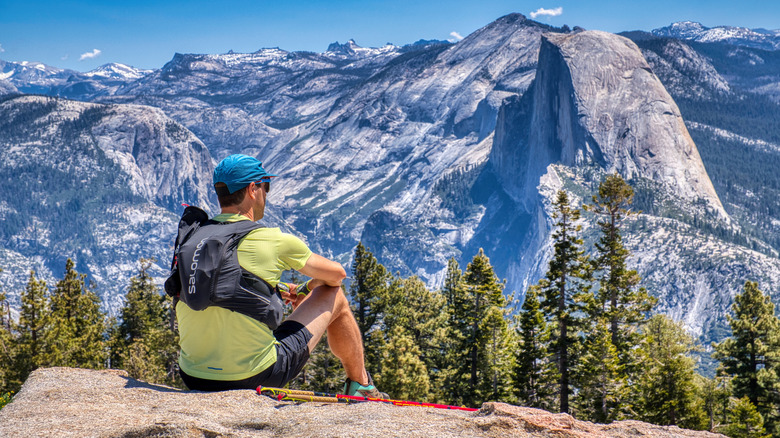
Yosemite National Park welcomed over 4 million visitors into the wild in 2025, per the National Park Service. Furthermore, the federal agency reports that every year about 250 visitors find themselves in need of emergency rescue by search and rescue staff. Knowing the best practices to follow when hiking will provide powerful protection against becoming one of those emergency statistics. That's where Yosemite National Park's Preventative Search and Rescue program (PSAR) comes in. This volunteer organization aims to prevent park emergencies through visitor education. Whether you're scaling the iconic heights of Half Dome during a rewarding trek or taking a beginner-friendly Yosemite hike with epic views, following PSAR's recommendations can reduce your risks of needing rescue.
The crew's top tip is a pretty intuitive one: Do diligent research and have a plan before you go. The vast wilderness of Yosemite National Park is not the place to be spontaneous. PSAR warns that many visitors end up in danger because they copy what they see other guests doing with no real knowledge of their own.
When you determine your ideal day hike at Yosemite, make sure you know the seasonal risks at the time of your visit, such as frigid winter weather or summer heat. Supplies matter, too. Make sure to bring key items like a headlamp, sun protection, and more than enough water to stay hydrated. It's also always a good idea to let someone who isn't hiking with you know where you'll be.
PSAR volunteers wish visitors knew these hiking tips
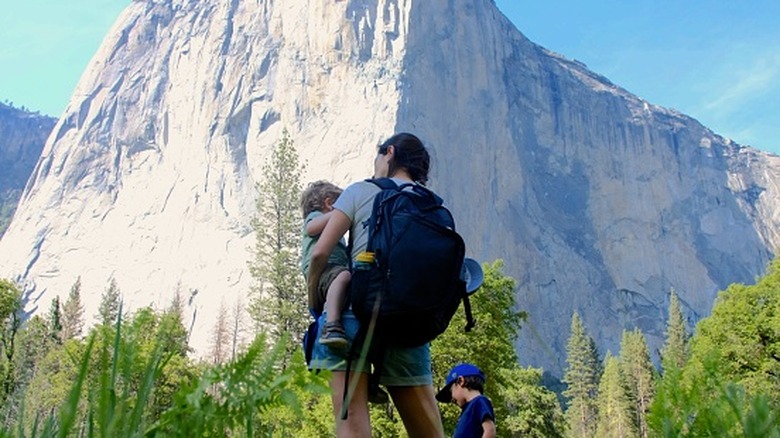
PSAR staff also stress the importance of knowing your limits. Even if you've been following PSAR's recommendation to prepare in advance for a planned hike, elevation and difficult terrain can make a trail harder than it looks on paper. Don't be afraid to turn back if you start feeling dicey midway. You can also take the precaution of filling out Yosemite Search and Rescue's Adventure Plan, which provides a record that park staff can use to locate you if anything goes wrong. Think of it as a kind of hiking insurance. And no matter how simple your plan may seem, never go off-trail.
This is especially important where water is involved, as it causes more accidental fatalities in Yosemite National Park than any other hazard. A 2016 incident described by the NPS demonstrated that danger. Two teens nearly drowned after veering off the trail to swim in Emerald Pool, where they encountered cold and deceptively strong moving water. Currents can be sneaky even in shallow water, and frigid temperatures often make water accidents even deadlier. So if your hike brings you to an enticing pool or a stream you're certain you could safely cross, don't risk it. It's best to stay out of the water unless a reliable source confirms it's safe.
Hiking in Yosemite National Park is at the top of countless bucket lists for good reason, but it pays to be cautious. So heeding these general best practices — and any specific safety guidance available related to a hike you're planning — is always a smart call.