
Between Eugene And Salem Is Oregon's Underrated Birdwatching Refuge Full Of Trails And Canada Geese
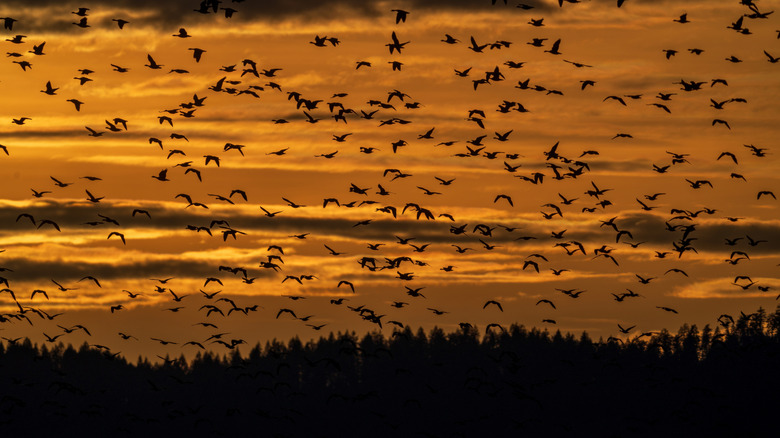
When it comes to birdwatching havens, states like Texas, Florida, and California often top the list, largely due to destinations such as the Everglades National Park and Point Reyes National Seashore. But birders out and about to spot their feathered friends aren't just limited to these headliner spots — or states. In fact, those who are willing to look beyond them can find both untapped and more peaceful reserves with plenty of species to add to their birder's logbook. Case in point: the expansive 5700-acre William L. Finley National Wildlife Refuge (or Finley NWR) of Oregon.
Nestled in the bucolic Willamette Valley, Oregon's premier wine region that's just as scenic as Napa, this less-trodden sanctuary is a favored haunt for roughly 260 avian species — all thanks to its lush mix of habitats and position along the migratory corridor known as the Pacific Flyway. Wildlife and nature lovers can explore the ecosystem on the reserve's over 12 miles of trails or take the easier route via a 5.5-mile auto-tour gravel road. "Long trails, short trails, driving tour, picnic spots, bird watching, elk spotting, peace and quiet. There is something for everyone here!" shares one Google reviewer.
The William L. Finley Wildlife Refuge is part of the larger Willamette Valley National Wildlife Refuge Complex, and protects some of the last remaining portions of the region's wetland prairie and upland oak savannas. Designated in 1964, the refuge was primarily created to protect the wintering grounds of the dusky Canada Goose, whose habitats were affected by farming and a major earthquake that damaged the species' nesting grounds in Alaska. This preservation effort gave them a safe space to stay warm in winter and helped their dwindling populations survive, while also providing habitats for over 400 other species that call this park home.
Strap on your hiking boots at William L.Finley National Wildlife Refuge
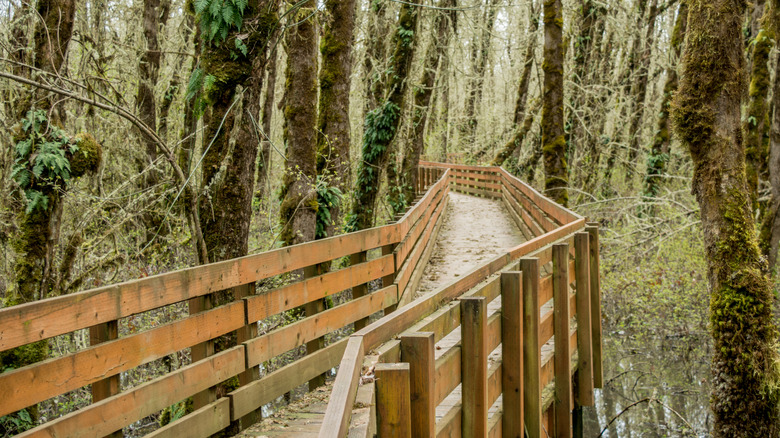
The Finley NWR is criss-crossed with trails that are smartly organized around the reserve's unique combinations of habitats. Each one is home to different species of birds, though the exact avian biodiversity varies depending on the time of the year. Come during spring or early summer, and you'll spot the vibrant yellow-headed blackbird, tree swallow, American bittern, and the petite rufous hummingbird. Winters are packed with waterfowl such as tundra swans and ring-necked ducks, alongside roughly five species of Canada geese — most of which migrate in thousands from the colder north. With common year-round birds like red-winged blackbirds, mallards, barred owls, warblers, and more, this refuge rivals some of the best birdwatching destinations in the U.S.
If you're visiting, know that many trails – around half of them — are closed from November 1 to March 31 to give migratory waterfowl a quiet resting area. However, you can still spot them on hikes that are open year-round, including the Homer Campbell Boardwalk Trail or the short and easy McFadden Marsh Trail. With expansive views of the open wetlands and trailheads near parking lots, these are popular for viewing waterfowl such as Canada geese in their natural habitats.
The park's lush woods — like those found on the 2.73-mile Mill Hill Loop Trail — also give you a chance to see land-bound critters such as Roosevelt elk, black-tailed deer, beavers, bobcats, and coyotes. Keep an eye out for snakes as well. An auto-tour is another way to see the wildlife. The speed limit is 20 miles per hour, and you may want to stick to your automobile to avoid spooking the birds. Various overlooks, pull-offs, and the historic Fiechter House and Barn on this gravel road make the drive worthwhile.
More trails and plan your trip to William L. Finley National Wildlife Refuge
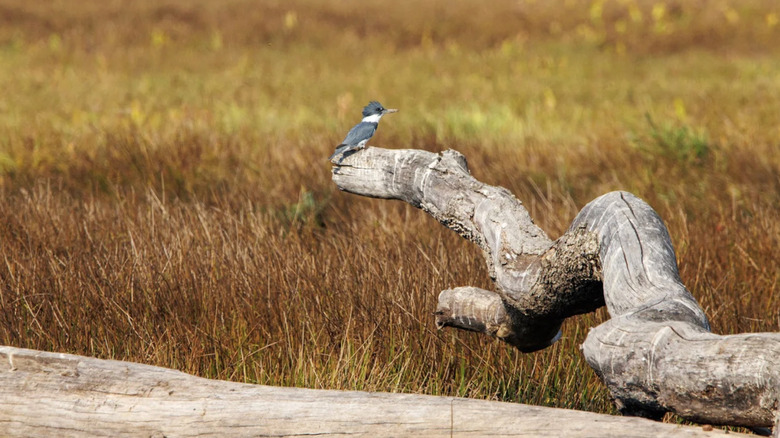
Another popular ramble through the wilds is the Woodpecker Loop Trail, measuring around a mile in distance. It's nestled within thick forests of oak, Douglas Fir, and big-leaf maple, where woodpecker species – like pileated, acorn, and Lewis's woodpecker — thrive and tap through the trees, adding to nature's playlist. "Nice little hike with the toddlers. Everything is marked and maintained well. Beautiful forest views. Lots and lots of birds still," writes one reviewer on AllTrails. An overlook along the way also gives you commanding views of the Cascade Range, and when Oregon's skies are less moody, you can even see Mount Jefferson — Oregon's second-highest summit.
Many of the trails have interpretive signs and boardwalk sections, though good hiking shoes remain a must for moseying around this rugged wilderness. A heavy-duty insect repellent is also a good idea for keeping bugs away. The refuge is free to enter and open for day use only, and pets are prohibited to help protect wildlife habitats. Given the reserve's location in the Willamette Valley, you could pair your birdwatching with tours to some sip-worthy vineyards and farms.
Those on a time crunch can also make this a day trip as the reserve is conveniently tucked between major Oregon cities, Salem and Eugene (one of the PNW's best college towns), with each city about an hour's drive away. Bird-lover or not, it's still an ideal place to disconnect in nature, take in the scenery of wild protected lands, and immerse themselves in gorgeous biomes.