
The Kitschy, Common Travel Habit That Gives Gen Z The Ick (And We Can't Blame Them)

For decades, going on vacation wasn't just about the destination and experience, but also about the memories. Travelers often sought out tangible tokens that could serve as the anchor to a vacation memory — something you could pull out of your drawer that would immediately take you back in time. That's where souvenirs came in. Cheesy keychains, "I Heart Paris" t-shirts, and magnets that covered every visible inch of the fridge became the go-to souvenirs for generations of tourists. But it seems like the habit of buying souvenirs is one that Gen Z is happy to leave behind.
A survey by hospitality brand Generator (via Hertelier) reveals common travel trends that "give Gen Z the ick." Some of the top "icks" included filming TikTok videos in public and wearing culturally inappropriate clothing, like a pa'u (hula skirt) in Hawaii, but a surprising 6% of the respondents considered buying souvenirs their top "ick."
But why does Gen Z abhor souvenirs? The answer reflects one of Gen Z's biggest priorities when traveling — sustainability. American Express reported that Millennials and Gen Z prefer buying handmade, high-quality items that are culturally authentic to the region they visit, with a focus on supporting local artisans and businesses. Others claim that they don't want to clutter up their homes or bring back items that will never see any use. "The idea behind a souvenir is that I want something to remember the trip by, but I do things all the time that don't come with a physical memento — especially one that's tacky plastic junk or not super versatile," says Abigail Roe of Downsize Upgrade on Instagram. It's clear that the usual duty-free shops or businesses selling cheap, unauthentic items will no longer cut it — Gen Z wants authenticity or nothing.
The shift in how Gen Z perceives travel souvenirs
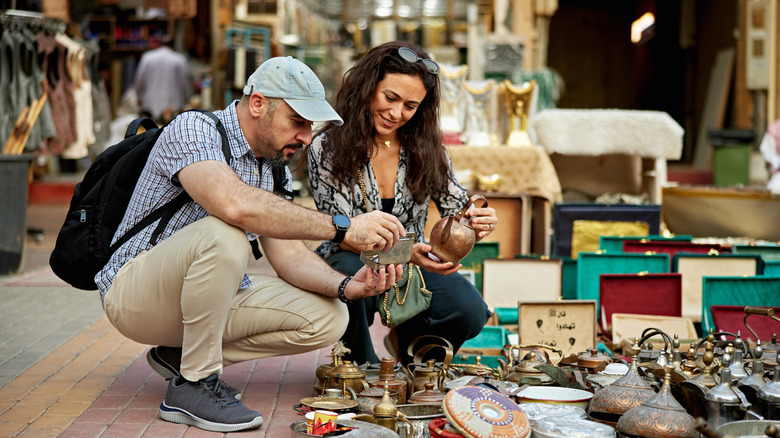
Sustainability and cost remain the biggest factors in why Gen Z refuses to fill their house with kitschy plastic magnets or shot glasses. Travel is getting more expensive every day, and souvenirs are a relatively easy cost to cut out of your travel budget. Popular tourist attractions may also try to fleece unwitting tourists by selling cheap, mass-produced products as local, authentic art — I've sifted through the pendants available in the markets of Dharamshala, India, and realized after returning home that the same products were available on Amazon for half the price.
The souvenir industry has also drawn criticism for cultural appropriation, with many Gen Z-ers believing that buying souvenirs is only worthwhile if it supports the local art community. They're no longer falling for the tourist-trap of polyester "pashmina" shawls or "authentic" Indigenous Australian didgeridoos that were actually made in Indonesia, but looking for stories and experiences instead. And the tourism industry is listening; countries like Greenland are turning to sustainable tourism, and a major airline adopted "sustainable aviation fuel" to cater to a new landscape of mindful travelers.
Ditching the low-quality keychains and made-in-a-sweatshop t-shirts doesn't mean you have to scrap the idea of keeping a physical memory of your trip. For some travel trends, like TikTok's new obsession with fishing, social media posts and photo documentation may be enough, but many others choose to document their trip in a way that's meaningful and personal to them. Scrapbooks are a popular choice; others send postcards to themselves. Gen Z is still buying physical tokens of their vacation, but the difference is in what shape those mementos take.