
California's Once-Thriving Quarry Near San Jose Is Now A Scenic Park With Peaceful Trails And Mountain Views
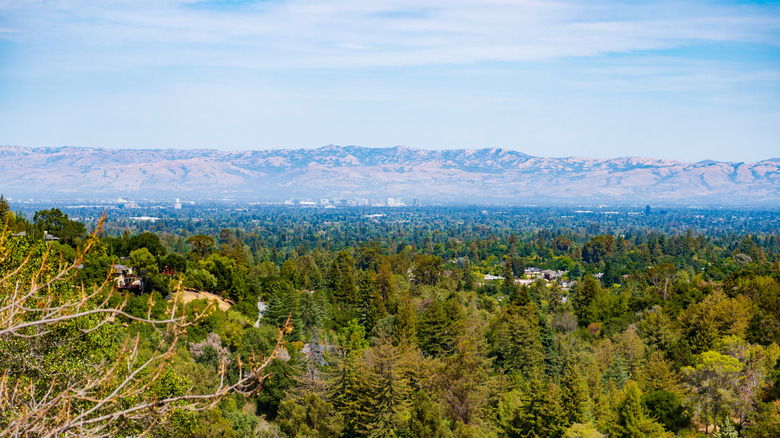
On the edge of San Jose (California)'s vast urban sprawl and network of crisscrossing highways, the Santa Cruz Mountains separate Silicon Valley from the Pacific Ocean. Graced with fog-trapping coastal redwood canopies and hillsides that turn golden during the long summers, these mountains offer a respite from life in the fast lane. They also hide parks that are as much windows into the Golden State's mining history as places to enjoy nature.
64-acre Quarry Park, sometimes called Saratoga Quarry Park, is a beautiful example of a former extraction site converted into a park where people can explore the past while breaking a sweat on the trails. The Bureau of Land Management (BLM) estimates that there are over 47,000 abandoned mining sites in California alone. Though many of these sites pose a public safety threat, Quarry Park allows visitors to safely explore relics, such as the freight loading station, while hiking through the mountains.
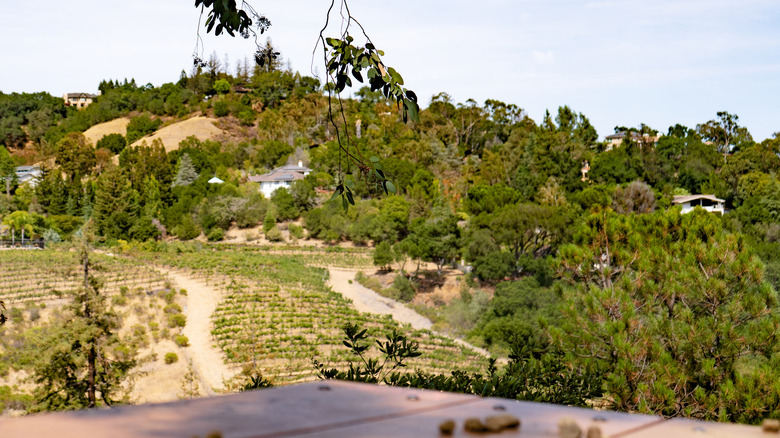
Situated just outside downtown Saratoga, the park was once a thriving mining operation. From the early 1900s to 1967, laborers hauled lime and gravel out of two quarries. During the mine's heyday, many of the rocks were used to build roads throughout Santa Clara County. However, it remained inaccessible to the public until 2015. Today, a network of trails winds through hills dotted with fragrant bay trees, greasewood, and a handful of redwoods, offering views across the valley and surrounding vineyards.
Hike the mountain trails at Quarry Park
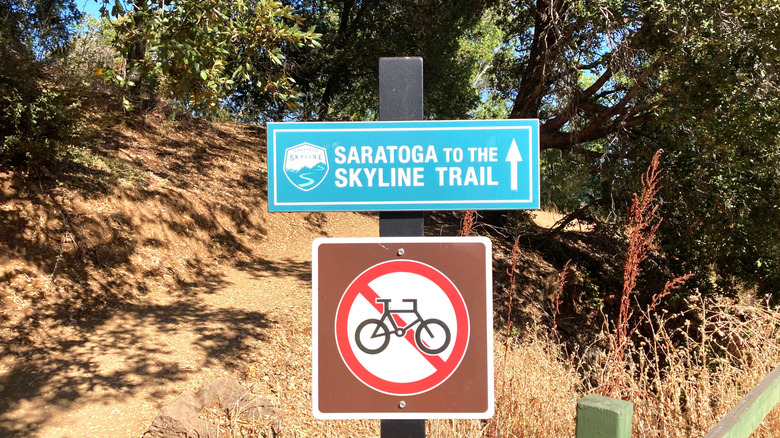
At Quarry Park, the hiking trails are the main feature. They take visitors past the mine tunnels (locked with a gate for your safety) and wind deep into the hills. The quarry trails don't have individual names, but markers lead to different "treasures" located on the park's "treasure trove" map. Although the map doesn't specify what the treasures are, the trail signs take visitors to a rock maze and a seasonal pond with pull-up bars and other exercise equipment. The trails also go to a bench made from a truck axle overlooking the mountains and other shaded viewpoints.
There's also a designated picnic area closer to the trailhead, complete with old tanks covered in lichen and moss. Before hitting the trails, make sure to stop by the former freight loading station next to the parking lot and bathrooms. Here, a curated collection of black-and-white photos tells stories about the park's mining days.
One trail name you will see is "Saratoga to the Skyline Trail." Opened during the Pandemic, this 9.7-mile trail connects Quarry Park with Sanborn County Park, turning the quarry into a true gateway to the Santa Cruz Mountains, just like the brochure promises. In fact, adventurers can hike over 40 miles to the Pacific Ocean from Quarry Park. The Saratoga to the Skyline Trail connects to the 31-mile Skyline-to-the-Sea Trail, which traverses Castle Rock State Park and the backcountry beauty and ancient trees of Big Basin State Park.
Things to know before visiting Quarry Park
The park is located less than five minutes outside downtown Saratoga, about a 20-minute drive from Santana Row's European-style shops and restaurants and other attractions in the heart of San Jose. You'll find free parking in the gravel lot, but visitors recommend coming early in the day, as spaces fill up later on. Quarry Park is open from dawn until dusk, which means you can return from a hike as late as 9 p.m. during the summer.
The park itself may not be very large, but the elevation gain will leave some hikers out of breath. "Trails are quite shorts, but pretty steep. The scenic factor is great, and park is extremely well taken care of," shared a hiker on Google Reviews. Some visitors describe the trails as challenging for beginner hikers, while others note that although you can hear some road noise in the picnic area, the trails lead away from the sounds of the city.
An important note for hikers: Poison oak grows in various places throughout the park. While poison oak is easy to spot in fall when the leaves turn vivid reds and oranges, the plant loses its leaves in winter and is harder to identify. Never grab bare branches growing on the hillsides is one of the safety tips you should know before your first solo hike or group outing. Besides poison oak, the hills are filled with other native plants and animals, including the western gray squirrel and the Santa Cruz black salamander.