
Forget Pacific Rim National Park Reserve: Visit This Scenic Island Park With Trails, Beaches, And Ocean Views
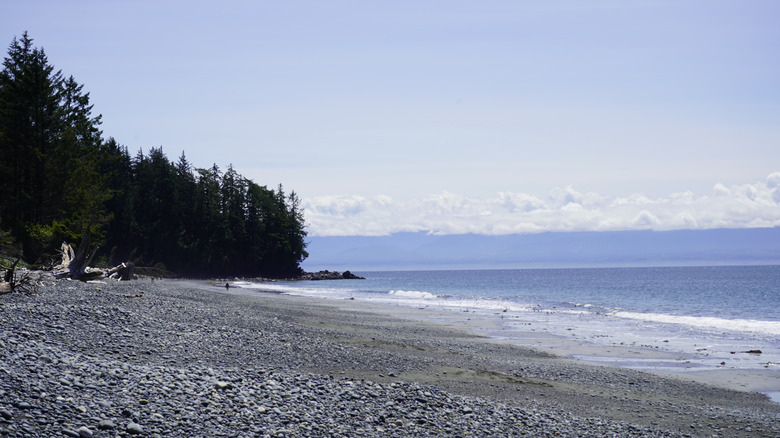
If you're the type of traveler who loves exploring the wilderness, especially forests and mountains next to the coastline, the Pacific Northwest is one of the best areas to visit. However, this region encompasses more than just Oregon and Washington in the United States. British Columbia, on the Canadian side, is also full of incredible coastal scenery, especially on Vancouver Island. But while Pacific Rim National Park Reserve may get most of the attention, there's an equally impressive park just south, along the shoreline: Juan de Fuca Provincial Park.
Juan de Fuca Provincial Park includes many of the hallmarks you can explore at Pacific Rim, including sandy beaches, temperate forests, ocean views, and fabulous hiking trails. However, because this park generally flies under the radar, it's not as crowded as Pacific Rim, so you can enjoy its scenic splendor in relative privacy. According to data, it gets about 600,000 visitors compared to Pacific Rim's one million and change.
That said, Juan de Fuca doesn't have an abundance of amenities or facilities, so it's best reserved for those who really want to be adventurous. If that sounds like you, here's a couple reasons why this park should be near the top of your travel list.
What to expect at Juan de Fuca Provincial Park
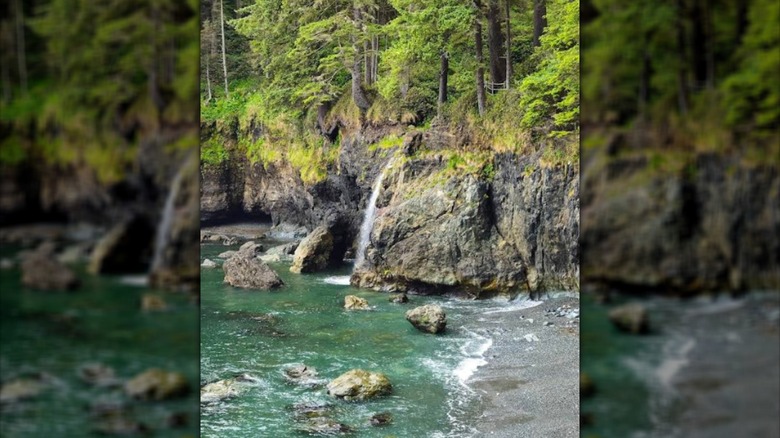
Since Juan de Fuca Park is located on the coast of Vancouver Island, it has some incredible beaches. There are five unique and major options, including China Beach, Mystic Beach, Bear Beach, Sombrio Beach, and Botanical Beach. Each one offers unique oceanfront scenery and shoreline activities. For example, the sands of China Beach are great for relaxing and building sandcastles while you stare out into the ocean. The waters off of Sombrio Beach are world-renowned for surfing, so bring your board if you're looking to ride some waves.
Botanical Beach, on the western edge of the park, is fabulous for exploring tide pools and seeing diverse wildlife. This is also why camping isn't allowed, to protect the animals in the area. However, for some of the world's best beaches, you'll have to head north on the island to the underrated Canadian town of Torfino.
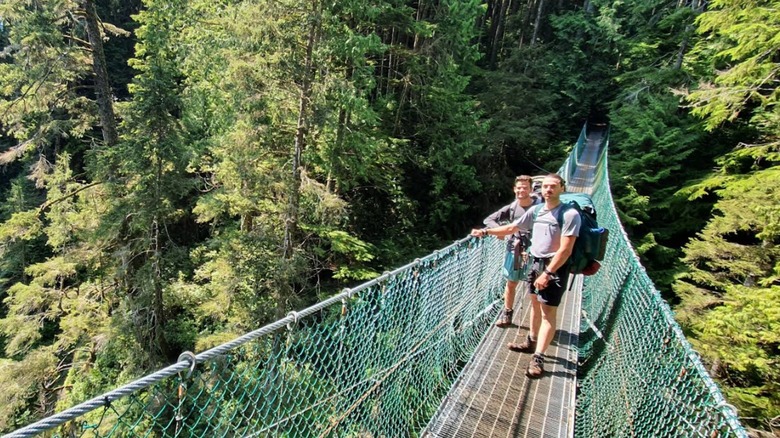
But beyond the sand, hiking is another great reason to visit Juan de Fuca. The Marine Trail stretches for 47 km (29 miles) and follows the coastline, connecting you to all of the beaches and other natural elements within the park. Some highlights include a suspension bridge crossing over Loss Creek, a waterfall by Sombrio Beach, multiple creeks flowing out into the ocean, and Providence Cove. But be aware that the trail can get damaged from storms, forcing certain sections to close. At the time of this writing, most of the trail is closed until July 1st, 2026, due to significant damage. So, it's always best to check status reports before traveling so you know what to expect and which areas may be off-limits during your visit.
Planning a coastal getaway to British Columbia
Depending on where you're coming from, you may have to fly into one of the best airports in North America, Vancouver International. Alternatively, if possible, you can fly into Victoria International Airport, which is already on the island. Victoria itself has its own charm, as it's known as the brunch capital of Canada, so you may want to check it out before heading to the park. From Vancouver, you'll have to take two ferries to reach the island. According to Google Maps, it's about a four-hour trip, depending on the timing of the ferries. If you fly into Victoria, it's only an hour and a half.
Camping is available throughout Juan de Fuca Park, and there are three main areas where you can do it. You can sleep in your car or an RV at the trailhead parking lot, and you won't have to hike to a campsite or worry as much about the elements. You'll still have to pay the camping fee, which is $29 CAD per person from June 15th to Labor Day. If you're visiting off-season, the rate is $20 CAD per person. You can also book a site at the China Beach Campground instead.
If you're trying to enjoy the ocean views as much as possible, beach camping is available at all of the major beaches (except Botanical). There's something about seeing the rocky shore across the strait of Juan de Fuca from your tent, as well as the forests, rugged shores, and moody waters the Pacific Northwest is known for. There are also two campgrounds within the forest, though you're not allowed to build a fire. You'll need a backcountry camping permit for the beaches and the forest, which you can obtain online or at the park.