
Between Cincinnati And Columbus Is Ohio's First State Park With Historic Artifacts And Hiking Trails
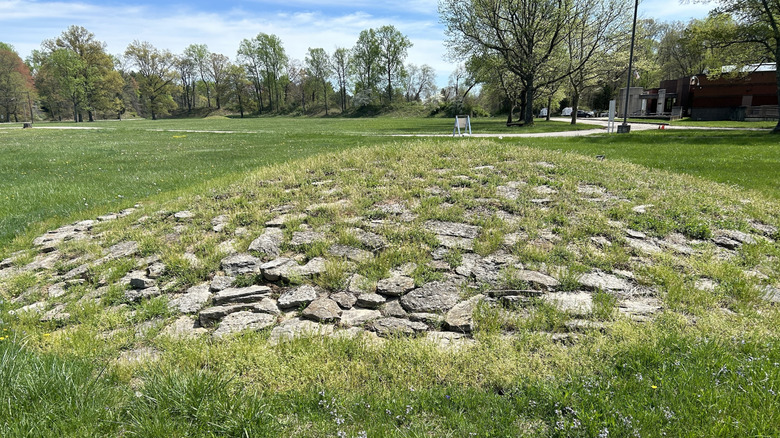
If you're planning a state park outing in Ohio, there's good reason to consider going to the place that set off Ohio's state parks tradition to begin with. Sitting along the hilly banks of the Little Miami River between Cincinnati and Columbus, Fort Ancient Earthworks and Nature Preserve was Ohio's first officially designated state park, founded in 1891. Because it became a state park so early, the designation itself reflects a long-standing recognition of something at the site worth protecting. The centerpiece of Fort Ancient is its respective ancient earthworks: a series of human-made mounds and enclosures that served as ceremonial grounds for Native people about 2,000 years ago. Given its historical significance, Fort Ancient is part of a designated UNESCO World Heritage Site, too.
Visitors can walk among the ancient formations today on about 2.5 miles of trails. They coil around the earthen mounds, dip into a valley, and pass through stretches of wildflowers and forest. You'll be walking on the land where ancient people once lived and performed ceremonies that still aren't fully understood. Some evidence shows that the earthworks are aligned with astronomical cycles. You can see artifacts from and displays about the people who once lived in this region of Ohio at the Fort Ancient museum. The park also has a picnic area, gift shop, and recreated Native American garden.
Walk among the earthworks of Fort Ancient
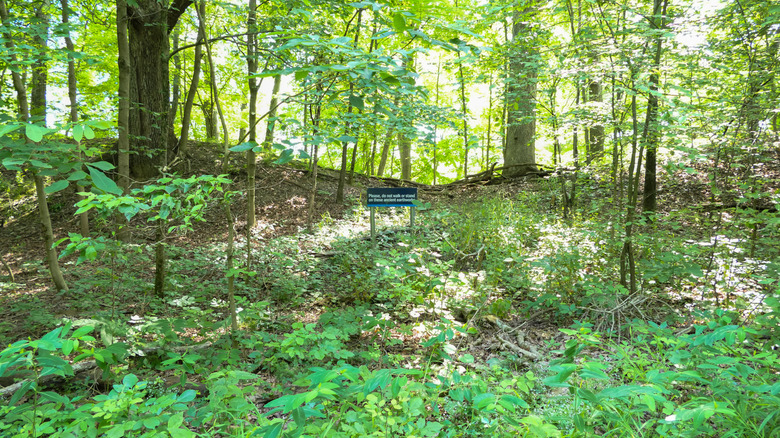
As you follow the trails through Fort Ancient Earthworks and Nature Preserve, you'll notice that the park is split into different enclosures with "gateways" that allow movement between them. The longest of the trails is 1.5 miles and leads to the North Lookout, where there's a viewing platform overlooking the river. The Earthworks Trail, about a mile long, gives some of the best views of the ancient walls. It traces along the walls and has some interpretive signs on the path to guide your contemplation of the earthworks. The park also connects to the longer Little Miami Scenic Trail, a hiking and biking trail visitors can access from Xenia, an Ohio city called the "bicycle capital of the Midwest."
When the earthworks of Fort Ancient were initially mapped in the 1800s, they were assumed to be defensive. But, though it kept the name, Fort Ancient was not a fort. You'd also be mistaken for thinking it's simply a burial ground. It's believed the site was more broadly used for ceremonies. Objects have been found at Fort Ancient that come from all over North America, which archaeologists believe were gifts from various tribes who came here to gather. Exactly what kind of ceremonies took place here is still being figured out, but what we do know is that the earthworks have astronomical significance — sightlines from a cluster of stone-capped mounds align with the summer and winter solstices.
What to know about visiting Fort Ancient and its museum
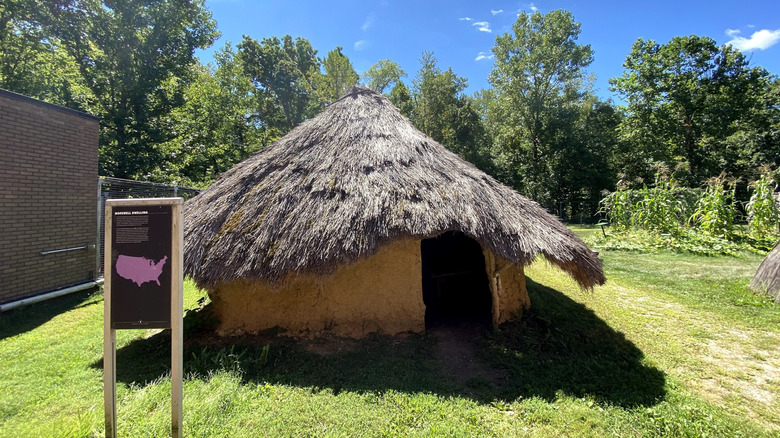
To put the entire Fort Ancient site into historical context, it's worth a stop at the on-site museum. Here, you can see lots of artifacts, not just from local digs, but also from sites all across Ohio. The museum is laid out like a timeline, with exhibits organized in chronological order starting from the arrival of people across the Bering Strait. Artifacts on display include spearheads, pieces of pottery, and a Chippewa canoe. Just outside of the museum, there's a recreated garden with native plants and a model of a Native American thatched-roof hut.
The museum and grounds are open Wednesday through Sunday. You pay for admission to the grounds, which also covers entry to the museum. There are daily guided tours available — you just have to request to join one at the museum front desk. Visitors coming from Cincinnati can reach Fort Ancient in about a 40-minute drive, while the drive from Columbus is just over an hour. Fort Ancient is one of several UNESCO-designated archaeological sites from ancient Ohio, so you could build a day trip around multiple earthwork locations in the region. It's also just a 15-minute drive from Lebanon, Ohio's "Cedar City," with a timeless downtown scene.