
A Surprising Number Of National Parks Are Venomous Snake-Free
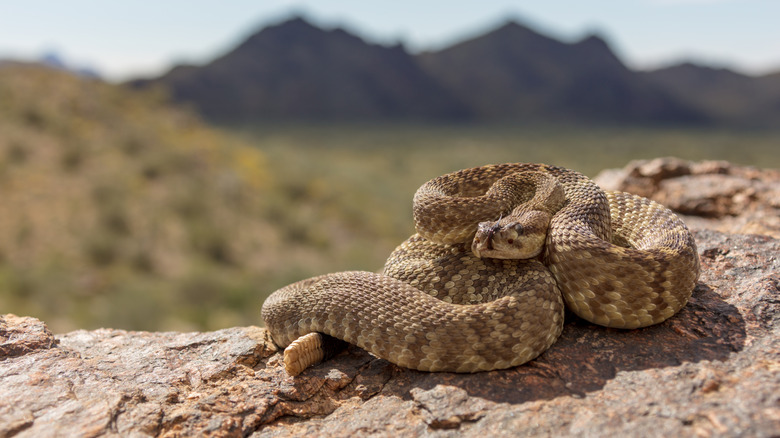
From the eastern diamondback rattlers of Mississippi and Florida to the sidewinders of the southwestern deserts, there are reported to be over 30 species and subspecies of venomous snakes in the United States. Many of those can be observed in the wild in national parks up and down the country, whether that's on the sun-scorched flats of Death Valley or in the waterways of Texas' Big Thicket. However, there are also some reserves where deadly snakes simply do not make an appearance. In fact, by a herpetologist's estimations from Forbes, there are a surprising 22 national parks that don't have venomous serpents.
Most of the U.S. National Parks that don't have snakes are in the northern half of the country. According to the Encyclopedia Britannica, there's not a single reptile north of the 60th parallel, instantly discounting anywhere in Alaska above the Kenai Peninsula, which includes the majority of the state's national parks. Then there's the fact that Hawaii, the Land of Aloha, set some 2,286 miles from the California coast in the Pacific Ocean, doesn't even have any native snake species, let alone any venomous ones!
The upshot? There's still plenty of wild and wonderful places to explore if you're the sort of traveler who prefers to steer clear of these venomous critters. Options range from the Crown of the Continent, Glacier National Park, and Acadia in Maine to beautiful reserves in the Great Lakes, the Pacific Northwest, and California.
National parks in Alaska that are venomous snake-free
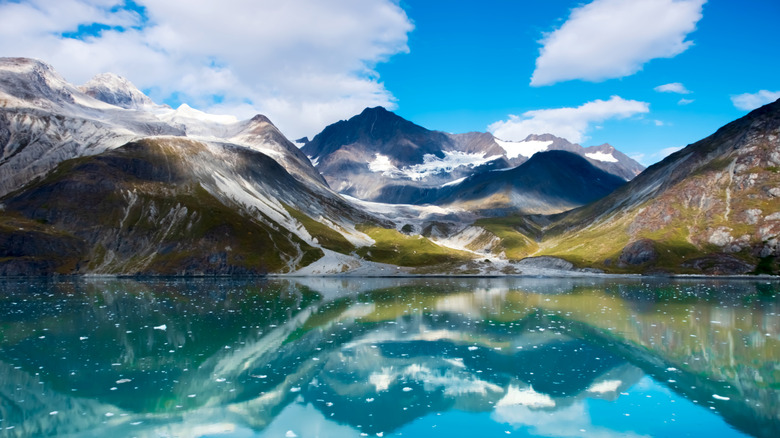
Two facts combine to make the state they call the Last Frontier a real doozy for anyone keen to avoid venomous serpents on their next big outdoors adventure. Fact one: There's not a single snake in Alaska — according to wildlife website A-Z Animals, the only sightings of snakes here have been escaped pets. Fact two: Alaska has the second-highest number of national parks in the country, with eight in total. In short, there's a lot of snake-free Mother Nature to get through in these parts.
So, where to start? Glacier Bay National Park is the most visited in Alaska, and it's easy to see why. It's a symphony of fjord-carved mountain ranges where glacier tongues flow into a cold Pacific Ocean. You'll see plenty of wildlife here — humpback whales swim in the waters, while grizzly bears and black bears are often spotted on the rugged beaches. When it comes to snakes, though, there are only common garter snakes, which swap venom for a sort of scent attack similar to a skunk.
Meanwhile, Denali National Park is hailed by Lonely Planet as the "crown jewel" of Alaska's national parks. It surrounds North America's highest mountain, Mount McKinley, with a whopping 6 million acres of tundra and ice caps. Alternatively, there's the more underrated Katmai National Park, a top brown bear viewing destination. It's famed for the summertime salmon runs, when you can come to see bears hunting sockeye on the falls of the Brooks River.
Other national parks that are venomous snake-free
Those keen on a venomous-snake-free vacation this year aren't limited to Alaska. While there tend to be fewer national parks without venomous snakes as you head south to hotter ecosystems, there are still options. Hawaii is the obvious place to start. Despite the state reporting some sightings of invasive species, the whole territory is officially devoid of all native snakes. The upshot? It's unlikely you'll cross paths with a venomous serpent while camping in wild eucalyptus forests in the Hawai'i Volcanoes National Park or watching the sunrise over the calderas of Maui's Haleakalā National Park.
For a fix of jagged mountains, you could scoot across to Wyoming and the Grand Teton National Park. According to the official National Park Service website, there's not a single venomous snake there. But there are beautiful hiking routes to shimmering alpine lakes and scenic drives where you can spot elk and bison living in the shadow of the mighty Teton range.
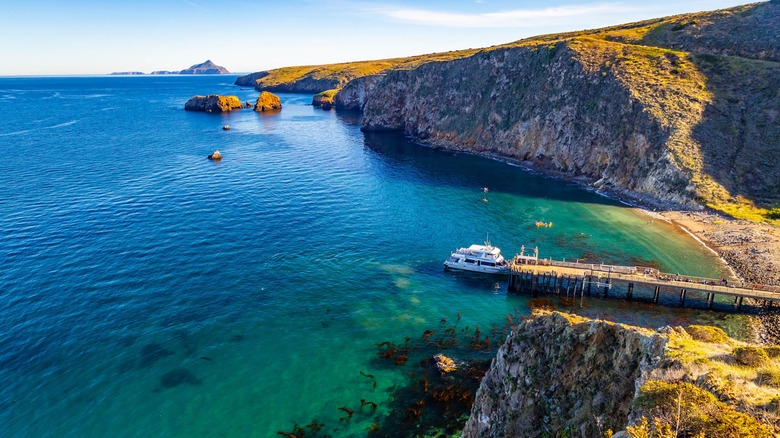
The Golden State also has something to offer. Yes, California may host nine venom-ready rattlers, but there's an ace in the hole in the form of the Channel Islands National Park. Fragmenting off the side of California in a string of five islands, it plays host to just two snake species in total, both of which are totally non-venomous. Head there to snorkel through vast kelp fields, or hike clifftop bluffs where you can whale watch from dry land.