
Forget Florida, Retire To This Pacific Northwest City With Caves, Wineries, And Friendly Vibes
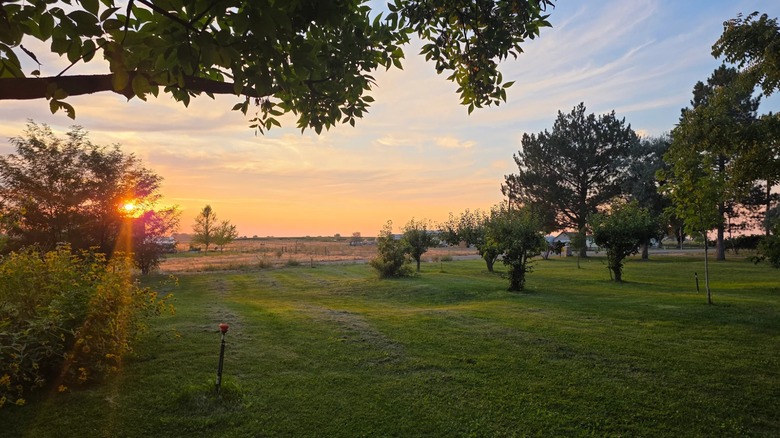
Retirees may be drawn to Florida for the sun, surf, and sand. But in Idaho, it's the stunning mountain views, award-winning vineyards, and small-town charm that lure in many older adults. The Treasure Valley region, centered around Boise in the state's southwestern corner and part of the greater Snake River Valley, is especially popular for retirees. The booming suburb of Kuna, with its peaceful subdivisions and master-planned neighborhoods, is among the area's most sought-after retirement communities.
It's pretty easy to see why Kuna is great for nature-forward retirees, given that the city has some of the Pacific Northwest's best qualities. Despite all the growth, Kuna has retained much of its laid-back rural character. There's also no shortage of local wineries within reach, and there's plenty of cool outdoor adventures right at the city's back door, from scenic parks to underground caves. Kuna is also known for being welcoming, boasting a "friendliness" score of 86 on Nextdoor. Home to over 31,000 people as of the 2025 U.S. Census, it's the kind of place where strangers will take time to learn your name.
The city prides itself on its tight-knit feel, so you shouldn't have any trouble experiencing the community spirit. Several local events and gatherings rooted in togetherness are on the calendar throughout the year, from "Kuna Kindness Week" in February to the annual Hometown Fair each May. As one local succinctly puts it on Niche, "Kuna makes me happy." The suburb is also very close to the happenings of the big city, situated only about 20 miles away from downtown Boise — the Boise Airport is about the same distance away.
Enjoy a glass of vino in Idaho's wine country
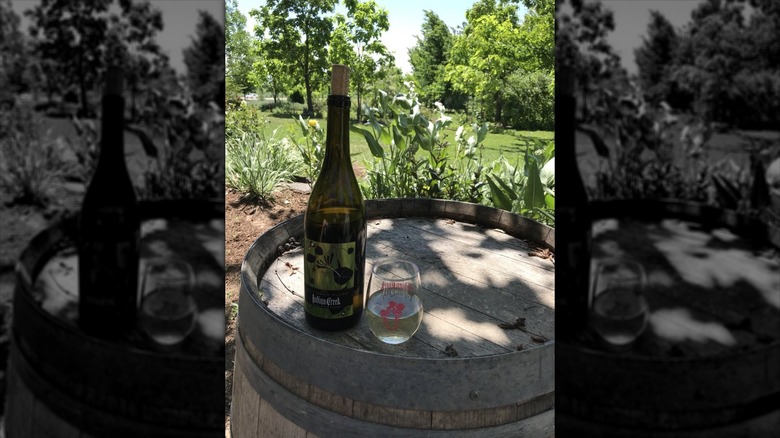
Idaho holds its own among the best states to retire to in the U.S. — especially if you enjoy a good sip. Florida may be famous for its oranges, but in this part of the country, grapes are apparently the fruit of choice. You could even say Idaho helped kick-start the Pacific Northwest's wine scene. According to the Idaho Wine Commission, the state's grape-growing roots stretch back to the 1860s, long before the likes of Washington and Oregon began pruning. Of course, the Prohibition era dried up the region. But Idaho eventually made a comeback in 1970, planting grapes in the volcanic, high-desert soils of the secret wine lover's paradise of Snake River Valley. Needless to say, you won't have to travel very far to find a nice glass of wine around Kuna today.
Retirees and those of legal drinking age can find a slew of wineries nearby, including Indian Creek Winery, which is one of the most popular around town and highly rated online. The family-owned site sits on the outskirts of Kuna and is open Fridays to Sundays from 12 p.m. to 5 p.m. Many past visitors have raved about the atmosphere on Yelp, from the live music performed during tastings to the beautiful gardens you can stroll around in on the grounds. Located just north of town, Vizcaya Winery is another local favorite. Try a glass of red or white out on the patio or in a tasting room. The boutique winery also serves up a delicious selection of hors d'oeuvres, not to mention, there's a happy hour on Fridays.
Do a bit of spelunking in the underground wilds of Idaho
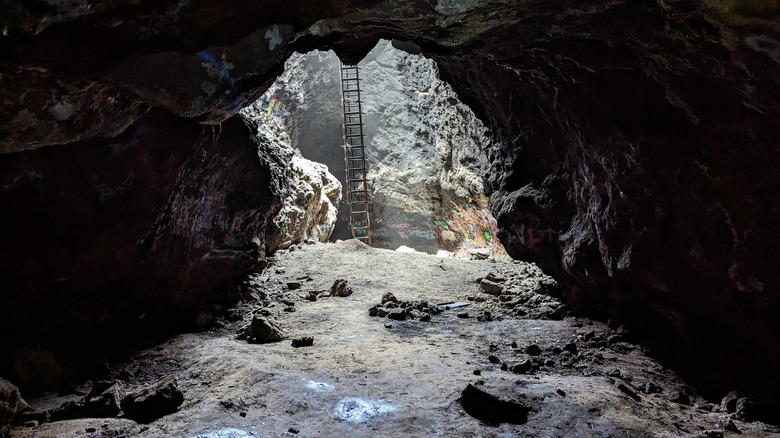
Idaho may not rank among America's states with the most caves, but don't let that fool you. The Pacific Northwest has a variety of subterranean landscapes to explore, and Kuna is no exception. You can do a bit of spelunking at the aptly named Kuna Caves. This dark cavern is on public land managed by the Bureau of Land Management, stretching just a few miles south of town near the junction of Kuna Cave and Black Cat roads.
The ancient cave system is actually a craggy lava tube that formed from volcanic eruptions on the Snake River Plain ages ago. Friendly PSA: If you're not a fan of heights, dark places, or tight spaces — you may want to sit this adventure out. In order to reach the underground cavern, you have to descend down a 50-foot metal ladder, which is caged, providing a bit of protection if your foot happens to slip.
Once you reach the bottom, you can trek for about a quarter of a mile. The place has been defiled with graffiti, but it still makes for a pretty cool sight to see. However, as one visitor warns in a Google review, it can get pretty dusty down there, so you may want to wear a mask. And of course, don't forget a flashlight.