
Indiana's Lush National Forest Is A Midwestern Haven With Rolling Hills, Scenic Trails, And Endangered Species
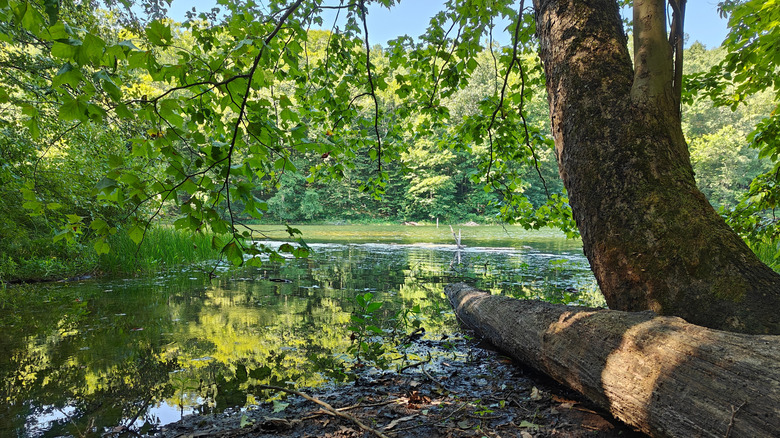
In the context of the United States, the term "Midwest" generally conjures up images of farmlands, big cities like Chicago, and maybe Rust Belt industrial centers like Detroit. Few people outside of the Midwest imagine rolling hills, expansive forests, and diverse wildlife in this part of the country — especially in a state like Indiana. However, Indiana is home to one of the Midwest's most beautiful and ecologically significant public lands. Hoosier National Forest showcases much of the state's outdoor landscape, with forest views, scenic overlooks, and an extensive trail network.
Spread across 204,000 acres in south-central Indiana, Hoosier National Forest isn't too far from many of the state's urban centers. The city of Bloomington, for example, is just an hour's drive from its northern border. In defiance of the Midwest's flat reputation, Hoosier National Forest features a picturesque collection of rolling hills, all draped in rich green forests and dotted with lakes. The park's wildlife residents are just as diverse, including a few endangered species found right in the middle of the Indiana woodlands. And with a combination of natural beauty and accessibility, Hoosier National Forest is a top Midwestern spot for scenic hiking, camping, and all sorts of outdoor recreation.
Scenic views and wildlife you wouldn't expect in the Midwest
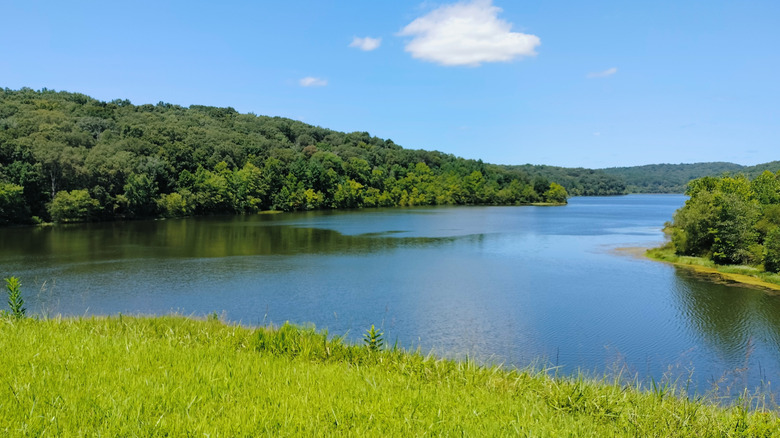
According to PeakVisor, Hoosier National Forest contains 73 named high points. And though these peaks are nowhere near as tall as those of the Appalachians, let alone the towering mountains out West (the tallest is only 928 feet high), the combination of expansive hills and lush forests creates a striking landscape. Hoosier National Forest's hills contain several lovely lakes, including the nearly 11,000-acre Monroe Lake — the largest lake entirely in Indiana. Underground, Hoosier National Forest's hills contain an extensive system of karst caverns in the subterranean limestone — the same kind of limestone caves found along the unique Driftless Area Karst ("DARK") Trail further west.
Amazingly, the impressive woodlands of Hoosier National Forest are the remnants of what was once the largest temperate deciduous forest on Earth. The forest's biodiversity reflects this legacy, with numerous plant and animal species at home here. Hoosier National Forest is even home to a few endangered or threatened species, particularly three species of at-risk bats (the Indiana bat, the gray bat, and the northern long-eared bat). At-risk birds like the cerulean warbler also thrive in the forest's protected habitats.
Hiking and camping in Hoosier National Forest
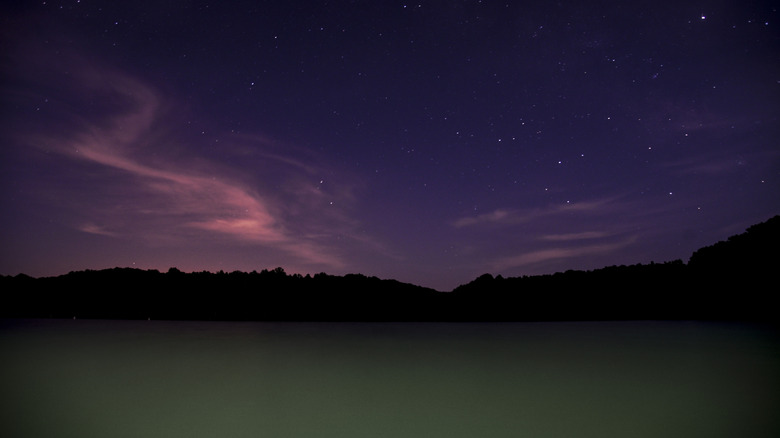
Though the sightseeing alone is worth the trip, Hoosier National Forest also has plenty of opportunities for outdoor recreation. Hikers can access 260 miles of scenic trails, with everything from easy 2-mile hikes to more challenging backpacking treks spanning 10 or more miles. Hikers can explore lake views on the nearly 16-mile Two Lakes Loop, discover the park's top geological sights on the Patton Cave Trail and the Hemlock Cliffs National Scenic Trail, or enjoy the forest's biodiversity on the ecologically rich Pate Hollow Trail. Hoosier National Forest also has great trails for mountain biking and horseback riding, though, unfortunately, off-highway vehicles like ATVs are prohibited.
Daring guests can break from the trails and try Hoosier National Forest's rock-climbing and caving spots. Birdwatchers will likely find plenty of species to add to their journals, including beautiful neotropical songbirds in the summer and migrating warblers and thrushes in the fall. Hoosier National Forest also has several designated wildlife watching areas. The Hickory Ridge Fire Tower even offers a 110-foot platform in the forest's Charles C. Deam Wilderness, with excellent views of bald eagles, hawks, and falcons.
Hoosier National Forest has extensive overnight options for visitors, including RV sites at the Indian-Celina Lakes and Tipsaw Lake recreation areas, primitive camping at the Saddle Lake Recreation Area, and two lakeside cabins at the Hardin Ridge Recreation Area. Depending on your preferences, you can reserve developed, dispersed, or primitive campsites close to the national forest's points of interest. Otherwise, Hoosier National Forest is also close to many charming Indiana small towns. Just 2 miles from the forest's northern boundaries is Indiana's idyllic outdoor gateway town of French Lick, with plenty of additional attractions and lodging options.