
Canada's Second-Largest National Park Is A Unique Remote Mountain Gem Called The 'Land At The Top Of The World'
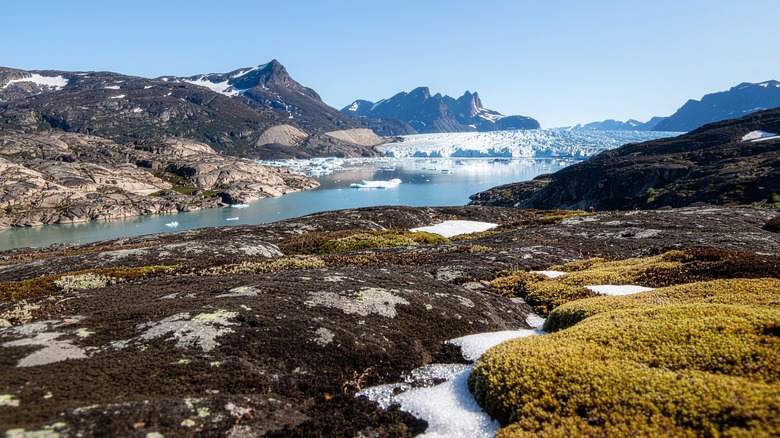
Occupying 17,000 square miles, the sprawling Wood Buffalo National Park is Canada's largest national park. Taking second place with 14,585 square miles of wilderness is the remote Quttinirpaaq National Park. This unique mountain gem in the northernmost reaches of the continent is aptly named — "Quttinirpaaq" means "land at the top of the world" in the native Inuktitut language, appropriate for a place that's located less than 500 miles away from the North Pole.
The park was previously known as Ellesmere Island National Park, a reference to its position on the northern tip of Ellesmere Island. But "land at the top of the world" better captures its stark, windswept setting, characterized by Arctic ice fields, huge glaciers, and dramatic mountain peaks.
To get there, book a seat on a Canadian North flight from Ottawa or Montreal to Iqaluit, Nunavut, then connect on another flight to Resolute Bay. The last part of the trip (Resolute Bay to the island) will be on a shared charter flight operated by Kenn Borek Air. You might bump into researchers and scientists at the Resolute Bay Airport: It's the departure point for charter flights across the High Arctic.
Discover the remote Quttinirpaaq National Park
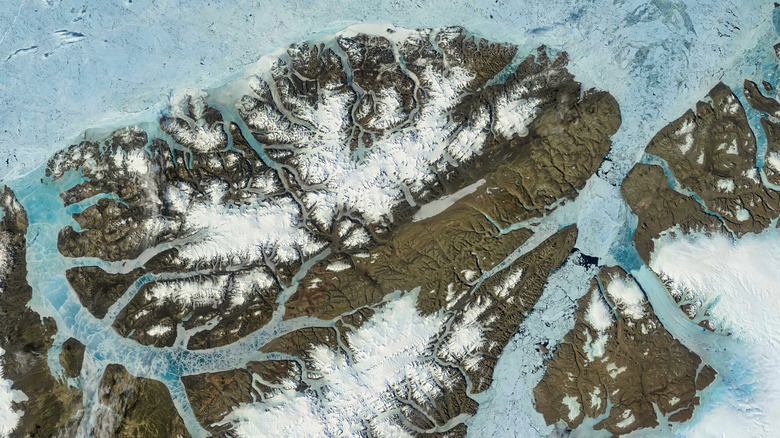
Only the most adventurous travelers make it to Quttinirpaaq National Park for ski touring, backcountry hiking, and mountain climbing. And there's a limited window for those activities: National park staff are only on site from late May to mid-August, which is the best time of the year to visit the park. Just be sure to bring an eye mask, because during the summer season, Quttinirpaaq sees 24 hours of daylight.
One-of-a-kind highlights around the park include day hikes to glaciers, wildlife habitats, and Tanquary Fiord, a famous fjord. Another popular option is a multi-day backpacking journey along Muscox Way, a beautiful "natural highway" that follows an ancient migration route through the mountains. In April and May, ski touring on glaciers is a once-in-a-lifetime experience (only available with a certified guide).
Since the park has no established trails and visitor facilities are extremely limited, many visitors choose to explore the park on a guided tour. Outfitters include Black Feather Wilderness Adventure Company and Northwinds Arctic Adventures, both of which can help arrange logistics, including accommodations, meals, and ground transportation. But if you're an experienced hiker (or have someone in your party with advanced wilderness skills), it's also possible to visit the park independently. All visitors must register with park officials and attend an orientation session before exploring Quttinirpaaq.
Plan a stay at the land at the end of the world
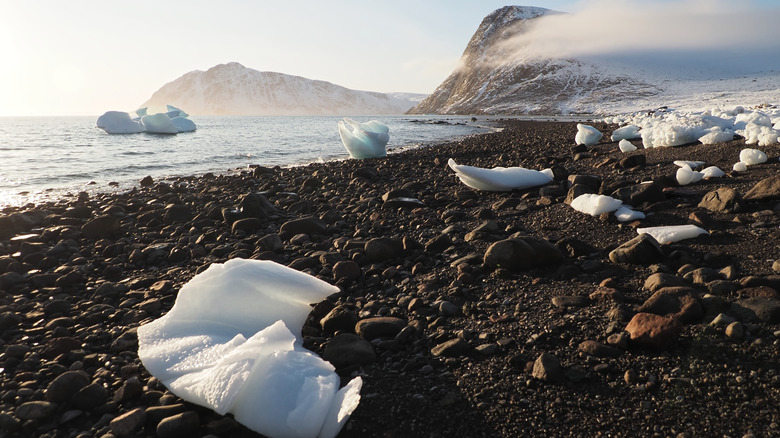
Backcountry camping is allowed throughout the park, save for a few exceptions: You can't pitch a tent next to one of Quttinirpaaq's archaeological areas, like the ancient cultural sites around Kettle Lake, for example. According to Parks Canada, campers should bring lightweight, durable gear, and since fires are prohibited, you'll also need to carry a portable stove and white gas. Prepare wisely for your trip, and if you're camping and get caught in a sudden snowstorm, stay sheltered — it could save your life.
Alternatively, reserve a stay at Weatherhaven at Tanquary Fiord, "a cross between a tent and a cabin" with a solid floor and a bed for two. Guests have access to a shared kitchen, pit toilets, a picnic area with wilderness views, as well as a shared living room with a sofa and a heater. Reservations are required, and you can contact the park to make them.
Whether you visit on a guided tour or venture into the park on a self-guided adventure, the "land at the top of the world" is special partly because it sees so few visitors. "You're much more likely to encounter Peary caribou, muskoxen, and Arctic hares than you are a fellow human," per HipCamp, which notes that annual visitor numbers "hover in the double digits." If you're looking for a memorable outdoor experience with a few more creature comforts in northern Canada, check out Nanuk Polar Bear Lodge, a remote ecolodge in the Canadian wilderness where you can view the Northern Lights.