
Forget Florida, Retire To This Gulf Coast Beauty With Colorful Cities, Scenic Parks, And Vibrant Culture
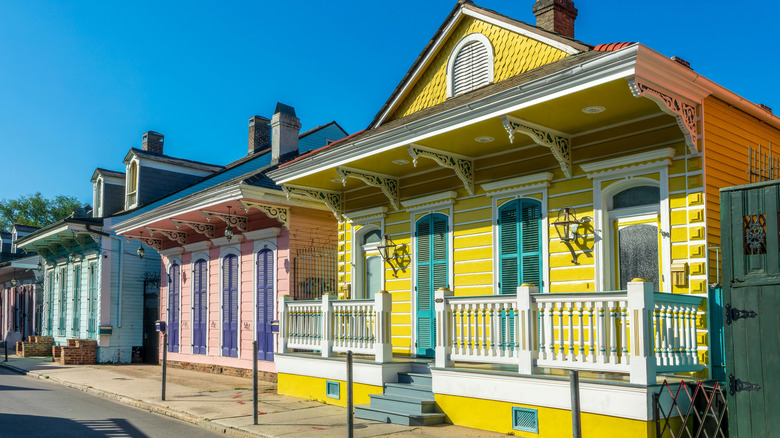
For years, Florida has been one of the most popular destinations for Americans planning to retire on the Gulf Coast. According to an analysis by The Motley Fool, more than 45,000 retirement-age residents relocated to the Sunshine State in 2025 alone. Yet Florida also recorded the nation's highest outmigration among older adults, driven by socioeconomic issues such as rising home prices, increasing insurance costs, and overcrowded cities. As a result, a new group of Gulf Coast destinations is emerging as an alternative. Among them is Louisiana, one of the fastest-aging states in the country, with over 17% of the residents aged 65 or older.
Aside from the unavoidable financial considerations — including relatively manageable property taxes and an overall affordable cost of living – the Pelican State stands out for several other reasons, starting with the weather. With more than 100 days of sunshine and mild temperatures even throughout the colder months (winter highs average around 59 degrees to 66 degrees Fahrenheit), retirees can maintain an active outdoor lifestyle well beyond summer. To make the most out of it, Louisiana boasts over 20 state-owned parks, including the nearly 3,000-acre Fontainebleau State Park near Lake Pontchartrain and the smaller Bayou Segnette State Park, located not far from New Orleans, both offering a plethora of activities for all ages, from hiking to fishing.
Summer months, on the other hand, are typically hot and stiflingly humid. Temperatures often reach over 80 degrees Fahrenheit, and there are frequent afternoon showers. This is where Louisiana's long-standing "porch culture" comes into play. The French Creole-style galleries, originally designed to provide shade and shelter, have evolved over time into catalysts for casual, neighborly interactions. A multicultural and inclusive social environment further strengthens Louisiana's appeal to retirees.
Louisiana's most attractive cities for retirement on the Gulf Coast
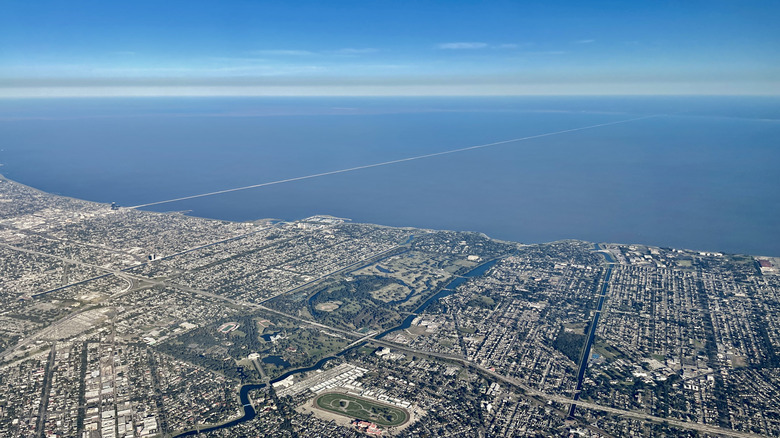
Walkability can make or break the decision of where to relocate after retirement. Luckily, Louisiana offers a wide range of human-scale neighborhoods and communities, something that may be linked to the state's relatively low population density compared with many coastal retirement destinations.
New Orleans, for example, is not only ranked by AllClear as the most walkable city in the United States (and the fourth in the world) but is also home to one of the best-known examples of European-inspired urban architecture in the United States: the 18th-century French Quarter. Here, retirees can sample Creole and Cajun classics at the historic Napoleon House, just a couple of minutes away from Faubourg Marigny's iconic pastel-colored townhouses. Another top pick in Southeast Louisiana is the suburb of Metairie, not far from America's second-largest estuary, Lake Pontchartrain, known for sailing, seafood, and sunsets. This unincorporated community of about 140,000 residents was ranked by Niche as the fourth best American city for retirees. Its appeal comes from a strong sense of community, a good range of senior-friendly facilities and healthcare services, and plenty of outdoor activities to choose from, including boating, fishing, and walking along the lake shores.
Named after the renowned French marquis, Lafayette has been described as the happiest city in America by news outlets like The Wall Street Journal and The Times. Aside from its eclectic architecture and diverse social fabric, the city offers a wide range of opportunities to engage with the community — first and foremost, the eagerly awaited Festival International de Louisiane. Smaller communities include Oak Hills Place and Westminster in the Baton Rouge area. Both offer a relaxed suburban atmosphere while still providing easy access to the capital's facilities.
Enjoying food, music, and culture in Louisiana

Louisiana's festival culture is another major draw for older adults. According to a research review by Centre for Cultural Value, participating in social and cultural activities may contribute to healthier aging and improved well-being. During Mardi Gras, millions of visitors flood the streets of New Orleans. While retirees may prefer to avoid heavily crowded areas such as the French Quarter and Canal Street, many still enjoy quieter daytime parades along St. Charles Avenue, including the Krewe of Iris and Krewe of Tucks, as well as community-focused celebrations like Thoth Sunday.
Frenchmen Street remains one of the city's liveliest music hubs, with nightly performances performed every night across from venues such as The Spotted Cat Music Club, dba, and Bamboula's. Meanwhile, the annual New Orleans Jazz & Heritage Festival, held over two weekends in late April and early May, showcases jazz alongside blues, gospel, Cajun, zydeco, and other regional genres. Louisiana also offers a wide range of historical and architectural attractions, including a network of state museums. Highlights include 1850 House, Madame John's Legacy, Capitol Park Museum, and E.D. White Historic Site in Thibodaux, an under-the-radar scenic Louisiana foodie city situated Between New Orleans and Lafayette.
Food is another pillar of Louisiana's social culture. Many of the state's beloved Creole- and Cajun-inspired dishes — think gumbo (a slow-cooked stew made with seafood or sausage, vegetables, and a richly flavored broth) or jambalaya (a one-pot rice dish made with shrimp, chicken, or smoked sausage and seasoned vegetables) — are designed to be served at family gatherings and community events centered around food, like the Louisiana Crawfish Festival in Chalmette and the French Food Festival in Larose. The Pelican State also provides retirees with easy access to a plethora of wholesome, seasonal ingredients, such as fresh seafood, as well as fruits like watermelon, tomatoes, strawberries, and satsumas.