
Which Is Actually Better For A Snorkeling Vacation, Hawaii Or The Caribbean?
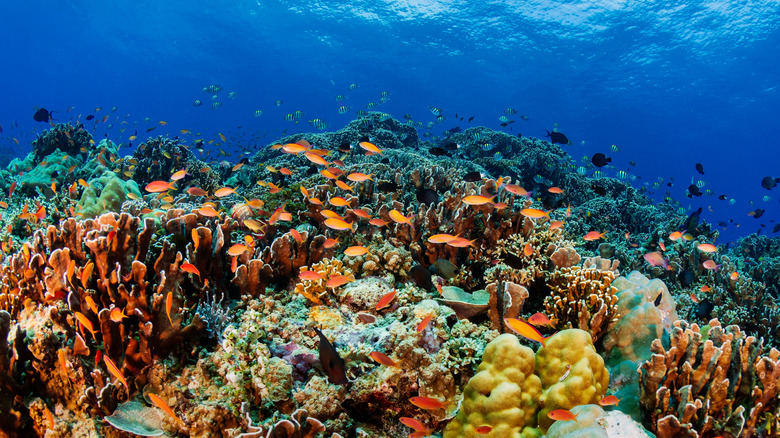
Snorkeling is one of my favorite activities, period. I'll never forget the first time I lowered a mask over my eyes, slipped that odd tube into my mouth, and ducked underwater. It was another universe beneath the surface: a tranquil, colorful, wondrous world I'd never known was possible to experience as a land-roamer.
That was on Oahu, and seeing a sea turtle and schools of fish in colors no rainbow could fathom had me hooked. Since then, I've had the opportunity to snorkel in several parts of the Caribbean, as well as on multiple Hawaiian islands. The differences are many. Which is better? It comes down to personal preference. My vote is Hawaii.
Both destinations have plenty of advantages and a few drawbacks for snorkelers. Some of the factors that influenced my preference were water clarity and temperature, conservation efforts, and the types of marine life I encountered. Ease of access to snorkeling sites and crowd levels also matter to me.
Hawaii is best for protecting underwater environs
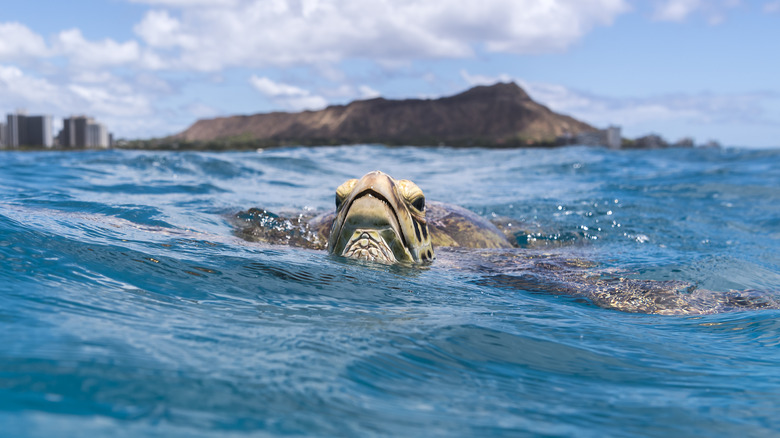
Surrounded by thousands of miles of the Pacific Ocean, Hawaii is the most isolated island chain on the planet, resulting in an extraordinary number of fish species not found elsewhere. The Papahānaumokuākea Marine National Monument, a UNESCO World Heritage site in the Northwestern Hawaiian Islands, is believed to support the most endemic fish species in the world, according to the National Oceanic and Atmospheric Administration Marine Debris Program. Rare Hawaiian fish can also be spotted around the main islands, much to the delight of snorkelers.
Hawaii's beautiful coral reefs are among the many habitats supporting more than 1,500 species of marine life living near its shores. Two of Hawaii's top snorkeling spots – Hanauma Bay on Oahu and Kealakekua Bay on the Big Island – are designated Marine Life Conservation Districts with pristine waters inhabited by abundant sea life. Many other snorkeling sites require a hike to reach, which naturally helps reduce crowds. In waters averaging roughly 74 degrees Fahrenheit, I've swum with everything from octopuses and manta rays to green sea turtles and sharks — always from a safe, respectful distance, of course.
The Hawaiian archipelago is unified in a desire to protect the ocean life that has sustained Native Hawaiians for millennia. When attempting to enact protective ocean regulations in the Caribbean, however, such as requiring the use of reef-safe sunscreen in the waters, there are many nations, cultures, and differing opinions across the islands to overcome. In fact, this is one of the biggest factors in my decision to award Hawaii the snorkeling crown. Hawaii has strict regulations about approaching marine wildlife, and violating them can result in fines, arrests, or even public shaming. In the Caribbean, I was encouraged by tour guides to pet manta rays, turtles, and dolphins. But knowing why Hawaii bans such interaction – it can cause actual harm to the animals – made me sad for these creatures.
The Caribbean is best for diversity and calm waters
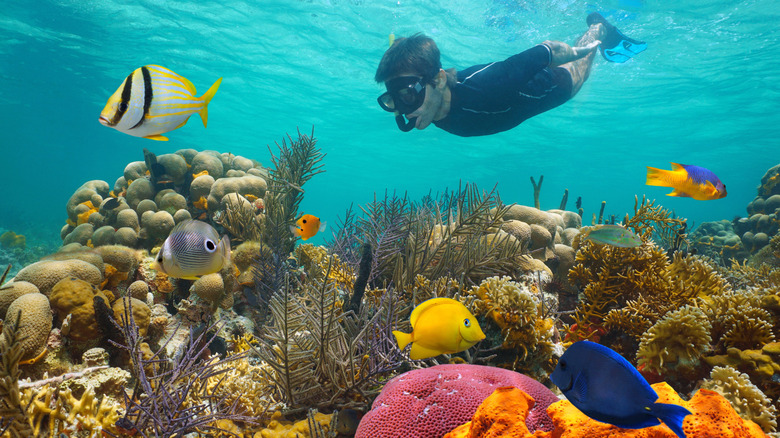
Beaches in the Caribbean are generally lighter in color than those in Hawaii, from the sparkling white sands of Turks and Caicos to the pale pink shores of Barbados. Those light sands, combined with shallow coastal waters, reflect sunlight exceptionally well, creating the region's signature shades of aquamarine.
Unlike the 28-mile fringing reef off Molokai, snorkelers can explore the Caribbean's 625-mile-long Mesoamerican Reef, the second-largest barrier reef on Earth. Found off the coast between Mexico and Belize, the reef provides habitat for about 1,400 marine species, many of which are endangered. The diversity of sea life I saw near the Mexican Caribbean was mind-blowing and gave Hawaii's underwater scenery serious competition.
Other Caribbean spots I visited were easier to access but didn't always offer the same biodiversity. Still, the vivid shades of blue and encounters with enormous manta rays off Grand Cayman were unforgettable. The water — averaging around 80 degrees Fahrenheit year-round — also felt warmer and calmer than in Hawaii. I attribute this to Hawaii's isolated, unprotected location in the middle of the Pacific, versus the Caribbean's approximately 700 islands and vast barrier reefs that break up waves and weather systems.
And many Caribbean islands are making strides towards protecting the sea they all share. The Caribbean is home to the world's first designated "Blue Destination", Bonaire National Marine Park, which is dedicated to sustainability and conserving the island's marine diversity and natural resources. So my opinion could change someday. But for now, my snorkel and I are still happiest exploring the waters of Hawaii — even if we'd never turn down a trip to the Caribbean.