
France's Longest River Is A Breathtaking Body Of Water Lined With Mountains, Villages, And A UNESCO Site
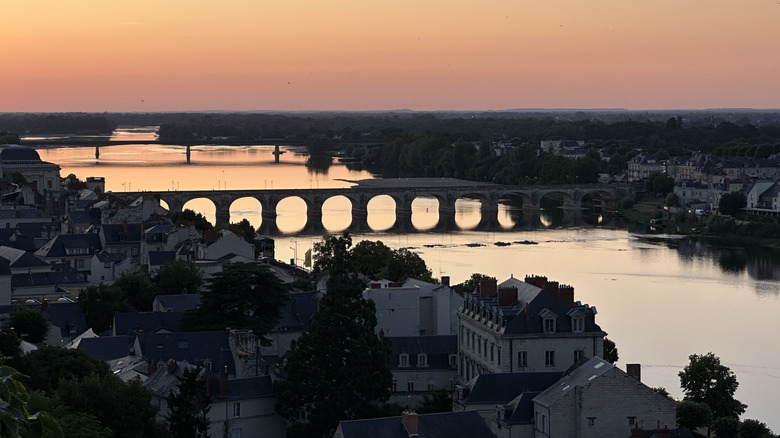
France's longest river stretches for about 600 miles across the country, but its appeal goes far beyond its length. The Loire River's journey to the Atlantic Ocean is lined with vineyard-covered hillsides, historic villages, and natural landscapes, all of which have inspired writers, artists, and travelers for centuries. Near its source in Southern France, the scenery surrounding the Loire River is mountainous. Volcanic terrain and cliffs are a sharp contrast to the images you might associate with other parts of the Loire. Few rivers offer such a diverse cross-section of the country, allowing visitors to experience dramatically different landscapes while following the same waterway.
Depending on what area of the Loire you visit, the river can feel wild and untamed or elegant and refined. It's one of France's most fascinating waterways because so much of the Loire feels untouched compared to some other European rivers. Travel along the river, and you're bound to be enchanted by its small villages, medieval church towers, and stunning châteaux. A portion of the Loire Valley has even earned UNESCO World Heritage status for its important cultural landscapes.
Travelers to the Loire come not only for the famous vineyards and castles, but also for the river cruises, scenic cycling routes, and a chance to experience the French countryside. Even travel guru Rick Steves has shared that the Loire Valley is one of his favorite cycling regions. Other travelers come to simply slow down and spend their days wandering through market towns, sampling local specialties, or watching life unfold along the riverbanks. Whether you're interested in food and wine, outdoor recreation, history, or photography, visiting the Loire River will undoubtedly leave a lasting impression.
The river's UNESCO-listed valley is filled with charming sites
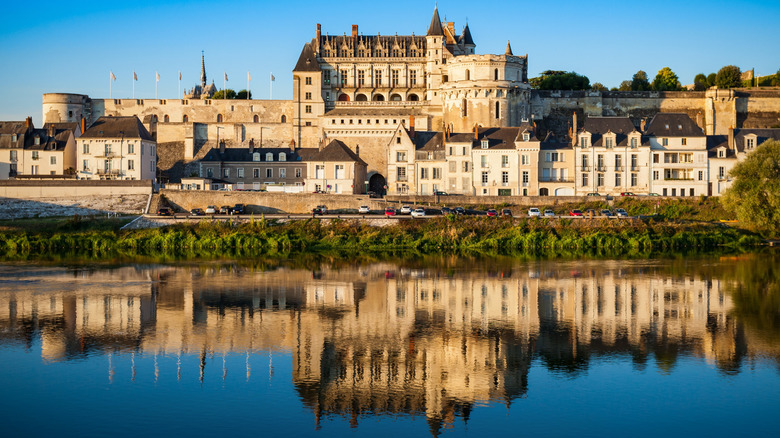
One of the most celebrated stretches of the Loire River is between Sully-sur-Loire and Chalonnes. The landscape here is so significant that it's designated as a UNESCO World Heritage Site. UNESCO honored the living river valley, shaped by centuries of interaction between humans and the natural environment. The designation recognizes the Loire Valley for its historic châteaux and towns, beautiful landscapes, vineyards, and farmlands. One of France's famous fairytale castles, Château de Chenonceau, is also located here.
This stretch of the river is also where many of the region's other famous sights are. If you've tried a Cabernet Franc from the Loire, you likely already know why it's such a popular destination for wine lovers. With 60 appellations, the Loire Valley is also one of France's biggest wine regions. Add in the stunning châteaux that dot the hillsides, and the valley can feel right out of a fairytale. Visitors can easily explore the Loire Valley by cycling, boat tours, or driving between historic towns and villages.
What makes the Loire Valley especially appealing is that the area combines natural beauty with cultural heritage in a way that few other destinations can rival. Unlike some UNESCO sites that focus on a single landmark or monument, the Loire's designation encompasses an entire living landscape. The region's character includes farmland, vineyards, castles, and even the river itself. Travelers can spend the morning touring the centuries-old Château d'Amboise, stop for lunch at a winery overlooking the valley, and then finish the day in Angers, France's most underrated university town. This blend of history, stunning landscapes, and everyday French life is what continues to draw travelers to the Loire Valley.
The Loire River winds through stunning mountains and villages
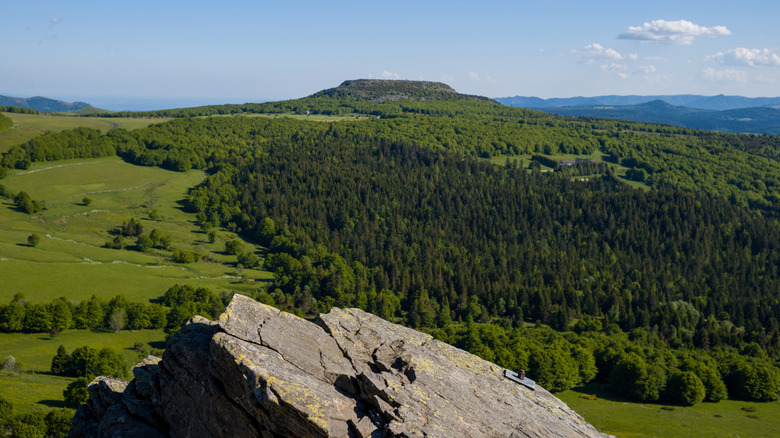
Traveling to the source of the Loire River reveals a much different setting than you might expect. The source of the river sits at the foot of Mont Gerbier de Jonc, a distinctive volcanic peak in France's Ardèche region. Rugged highlands and ancient volcanic formations define the scenery in this region. The rolling mountains here feel more like a hiking destination than a famous river valley. Rising over 5,000 feet, it is part of the UNESCO Global Geopark. Hike to the summit for panoramic views, or visit the base to seek out the river's start.
As the Loire leaves its mountainous origins behind, it winds through several villages that showcase the quieter side of France. These communities have depended on the river for centuries and still maintain their historic charm. Candes-Saint-Martin often ranks as one of France's most beautiful villages, and sits at the confluence of the Loire with the Vienne River. Stone houses sit on the hillside beneath the Collegiate Church of Saint Martin, with narrow streets leading to the waterfront. Throughout the valley, villages like Candes-Saint-Martin developed around trade, fishing, and agriculture.
The contrast between the untamed mountain landscapes and these historic riverfront villages is one reason that the Loire feels so distinctive. Near Mont Gerbier de Jonc, you have mountainous hiking trails and rugged scenery. Venture hundreds of miles downstream, and you'll find villages with historic churches, château-lined riverbanks, and centuries of architectural heritage. So whether you're drawn by UNESCO-listed landscapes, storybook villages, or volcanic mountain scenery, the Loire River offers one of the most diverse and rewarding journeys in France.