
An Hour From Albuquerque Is New Mexico's Sprawling Desert Wildlife Site For Birdwatching And Trails
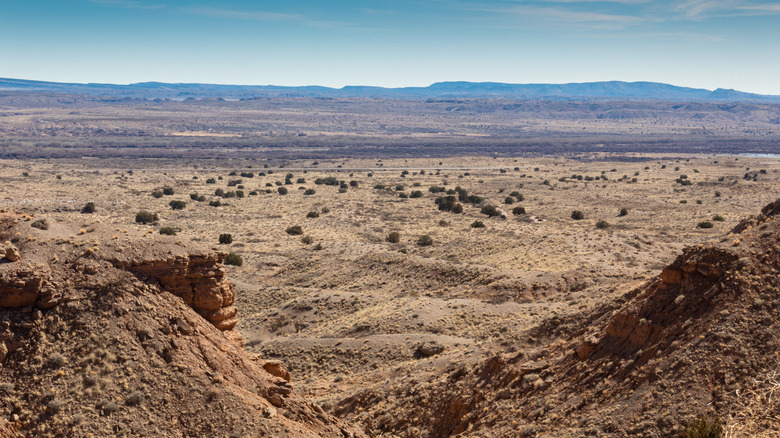
New Mexico's deserts may look barren and inhospitable, but these rugged landscapes teem with life. With temperatures exceeding 100 degrees Fahrenheit, humans might crave air conditioning, but many animals and plants have adapted to extreme heat and dryness across the Land of Enchantment. One of the largest refuges in the National Wildlife Refuge System (excluding Alaska) is situated in the middle of New Mexico, an hour south of Albuquerque and 20 minutes from Socorro. The Sevilleta National Wildlife Refuge is home to a staggering 251 bird and 80 mammal species, offering wildlife viewing, birding and hiking trails, and a visitor center.
The Sevilleta National Wildlife Refuge is unlike any place on earth. Bisected by the Rio Grande, the refuge may look like desert, but it's the crossroads of four distinct ecosystems — Pinion Juniper Woodland, Great Plains Short Grass Prairie, Colorado Shrub Steppe, and the Chihuahua Desert —each with unique animals and plants. For reference, the pinion pine nuts nourish an ecosystem large enough to support bobcats and bears, while the Chihuahua Desert features 345 of the world's 1,500 cacti, and prairie dogs dot the grasslands.
As conservation of the biome as a whole is the primary mission of the National Wildlife Refuge System, the organization manages the Sevilleta's 230,000 acres with a light hand. Natural succession, like floods and fires, is allowed to run its course, creating a landscape that feels untouched and wild. However, you won't find campgrounds, dozens of trails, playgrounds, or other developments that characterize state parks and other places designed for human use.
Learn about Sevilleta National Wildlife Refuge's plants and animals at the visitor center
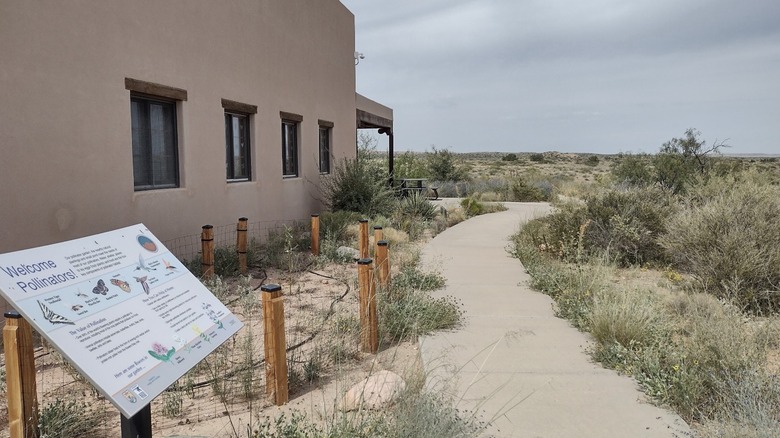
Start your visit at the Sevilleta National Wildlife Refuge Visitor Center, a well-curated educational space that delves into the cultural, environmental, and geological history of the area. The short orientation video and exhibits about the four biomes provide valuable context for anyone hiking the trails or visiting the birding areas.
You'll also get to know some of the refuge's colorful residents. "Because the environments are so diverse, they attract and support a wide diversity of native species, including 251 species of birds, 80 species of mammals, 58 species of reptiles, 15 species of amphibians, and more than 1,200 species of plants," per the U.S. Fish and Wildlife Service. Make sure to browse the nature shop run by Amigos de la Sevilleta and borrow binoculars for spotting critters on the trail.
The visitor center is only open on Wednesday, Thursday, and Friday, from 8 a.m. to 4:30 p.m., so timing is essential. Even if the visitor center is closed, you can enjoy the Wildflower Loop Trail. This 1.1-mile pollinator path goes around the visitor center, attracting monarchs, sweat bees, and hummingbirds. See examples of plants from various habitats, and keep an eye out for rabbits and lizards. Alternatively, the 3.8-mile Mesa View Trail departs next to the visitor center and earns 4.7 stars on AllTrails. This loop showcases the mountains, but there's no shade, so avoid heat stroke while outdoors by starting early and bringing extra water.
Discover the birdwatching areas and trails at Sevilleta National Wildlife Refuge
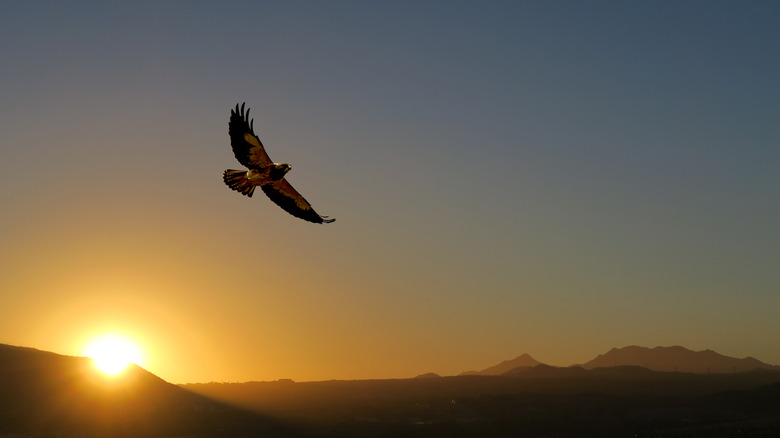
Instead of an elaborate trail system, Sevilleta National Wildlife Refuge offers a few paths that serve as windows into the wild for birders and wildlife enthusiasts. Although the pollinator garden attracts some birds, you'll need to head into the wetland areas (referred to as Units A and B) and San Lorenzo Canyon to make the most of your checklist. You might spot bald eagles, condors, and even puffins, if you're lucky.
Situated a short drive from the visitor center, the wetland units are the refuge's birding hotspot. Between November and February, flooded marshlands attract migratory birds like geese and cranes, as well as herons and other waterfowl. In the summer, visitors have spotted rare willow flycatchers. These endangered songbirds are one of the few species that know their song by instinct instead of by learning it. So you know, Units A and B are more birdwatching zones than actual hiking paths.
If you want to experience red-rock hoodoos and scenery reminiscent of otherworldly rock formations at New Mexico's Bisti Badlands, hike the San Lorenzo Canyon. Jointly run by the Bureau of Land Management (BLM), this rugged zone features creeks trickling through canyons, sandstone cliffs, and weathered rock arches. Keep an eye out for red-tailed hawks and turkey vultures riding hot air vents. There are no facilities and the area is quite remote, making it better for buddy excursions than your first solo hike.