
As A Gen Zer, This Boomer Travel Habit Hits My Last Nerve (But I Can't Blame Them)

Every so often, I meet someone who says they love to travel. I ask where they've been, and they name just one or two destinations — albeit places they visit yearly or more. Odds are, the person I'm speaking with is a member of the baby boomer generation (those born between 1946 and 1964). The generation gets flak (sometimes unjustly) for being narrow-minded, yet it can't seem to break out of certain comfort zones. In travel, that translates to a tendency to visit the same places over and over.
A 2024 study by the market research company Mintel found that almost 50% of baby boomers plan to travel to a location they've already been to. Meanwhile, Kantar, another market research group, found that 77% of boomers stick to a single destination during international trips, while only 48% of Gen Zers do. The data point to a widespread attitude among baby boomers: a familiar destination takes precedence over the new and unexpected.
For many baby boomers who end up going to the same vacation spot like it's a seasonal migration, it's a matter of what's known and comfortable. In a Talker Research survey, for example, 52% of respondents said familiarity and comfort are the main reasons for repeat trips. On the surface, it's an understandable instinct — travel, especially at retirement age, shouldn't be stressful or logistically numbing. But it comes to a point where comfort becomes limiting. Travel should be a chance to keep your mind active and open, even as daily life has fallen into a more predictable rhythm.
The case for broadening your travel horizons
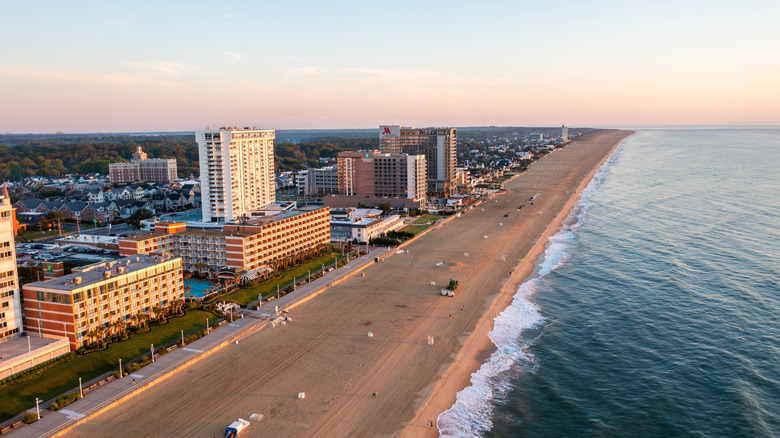
When I was a kid, my family vacationed in the same place for close to 10 years in a row: Williamsburg, Virginia. We stayed in the same area, visited the same attractions, had the same food, and so on. Much of what I knew of travel was this comfortable loop, until, one year, we booked a trip just over an hour away to Virginia Beach, a lovely destination named "America's most caring city" in 2026. It made me realize how much of travel's excitement and value comes not from distance traveled, but from encountering something you've never seen before. Even if it meant foregoing our usual spot for that year, I knew Williamsburg would still be there to revisit another time.
Traveling to new places keeps you engaged in and challenged by the world. I share a similar conviction as travel expert Rick Steves' advice on how young travelers can make the most of trips — by being open to new and unfamiliar ways of life — except I don't believe this philosophy stops as you get older. In fact, it's even more important to be curious about new destinations with age.
It's not just about some vague sense of excitement or discovery but about brain health, too. A 13-year longitudinal study from the International Journal of Environmental Research and Public Health followed adults aged 40 to 81. It found that those with more openness to new experiences retained more knowledge and general cognitive ability over time. If there's one way to keep your mind open, it's by exploring new destinations, and that may very well keep you sharper as you age.
How to keep an open mind when traveling

There's a strong case that visiting the same place repeatedly deepens your appreciation for that place. A Reddit user argued, for example, "Traveling to the same place is nice. You can explore it more meaningfully and you can find spots that [you] especially like." To be fair, you can go to the same city multiple times and try new restaurants, see a new show, or wander into unfamiliar alleyways. It's not double-dipping into a destination that's the potential issue; rather, it's sticking only to what's easy and familiar. You can visit a place more than once and get new experiences out of it each time, but sprinkling new destinations into your travel portfolio creates more opportunity for novelty.
Some might argue that going to familiar places takes away the logistical stress of traveling. But then, the destination isn't the point anymore. If you take away uncertainty and novelty, you're not traveling, but just adding a few more posts to a fenced-in, limited worldview. As was the case for my family going to Virginia cities, you don't necessarily need to venture far to expand your horizons. You could even base yourself in your usual spot, then build some unique, less-familiar day trips into the getaway. If it's fear that holds you back from visiting new destinations, Rick Steves offers insights to counter travel anxieties. I believe the best antidote to those fears, though, is knowing you'll come out the other side with an invigorated mind and potentially a new favorite getaway.