
Not Everglades, Not Olympic: This Popular National Park Is The Most Biodiverse In America
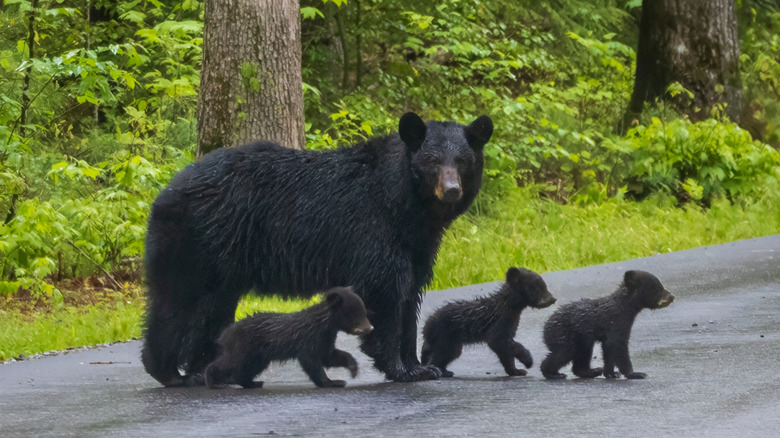
The chance to spot wildlife is undoubtedly one of the highlights of any national park visit, but when it comes to the sheer number of species, not all parks are created equal — one in particular is known as a worldwide biodiversity hotspot. Great Smoky Mountains National Park is home to at least 19,000 species that we know of and as many as 100,000 more that haven't even been discovered yet. America's most-visited national park, as it happens, is also one of the greatest treasure troves of flora and fauna.
Great Smoky Mountains National Park can thank its geography for the largest known number of species found in any national park. During the last Ice Age, the area was one of the continent's northernmost stretches not to be covered by glaciers, and it acted as a refuge for species fleeing south to escape the encroaching ice. That gave the area a long head start, developing the rich and complex ecosystems we see today while other parts of North America were still frozen.
Four different types of forest are found in the park, and wetlands, though only a fraction of its land area, contain 20% of its plant species. The park also covers a vast gradient of elevations, allowing plants and animals that might not ordinarily be found in the same place due to their climate and habitat needs to overlap. This altitude-based variation creates prime habitat for thousands of animal species. All of these geographical quirks combine to make Great Smoky Mountains National Park not only the most species-rich national park in the U.S., but one of the richest and most biodiverse temperate regions of its size anywhere on the planet.
Wildlife in Great Smoky Mountains National Park demands a closer look
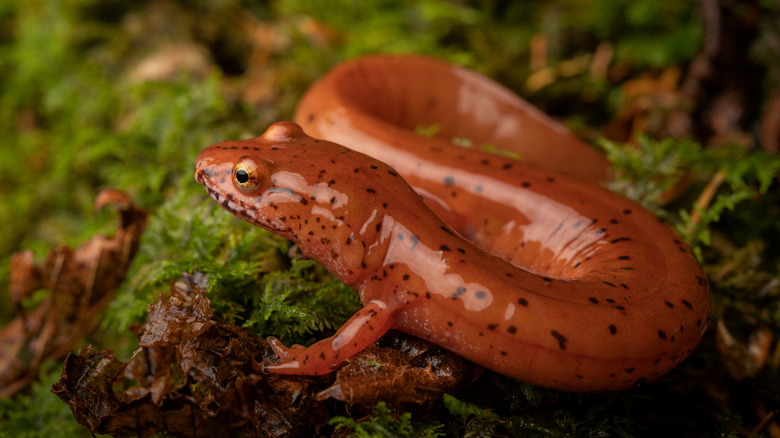
If you've heard about wildlife in this park, it may well have been in a viral bear video. The park's population of black bears is one of the densest in the country and frequently makes a buzz online with its sometimes comical encounters with human visitors. But much of its biodiversity isn't quite as visible or easy to spot. Even in the Smoky Mountains' best wildlife-viewing spots, the extraordinary 2,278 known plant species and over 200 species of birds found in the park aren't quite so visible, and if you walk past a stream without a closer look, you might be missing the chance to add unique-to-the-region species to your life list.
This is because Great Smoky Mountains National Park is home to 43 known species of amphibians, and this unprecedented diversity has earned the park the title of the "salamander capital of the world." This is in part to its healthy and oxygen-rich aquatic ecosystems, which are excellent habitats for salamanders that breathe through their skin — so much so that salamanders make up the greatest proportion by weight of any group of vertebrates in the park, even when you count humans! They tend to hide out under rocks or logs in streams, so you'll have to be looking carefully to spot one.
But slowing down and taking a closer look isn't always the standard in America's most popular park, and crowds that flock to Great Smoky Mountains National Park can cause harm to fragile ecosystems without even realizing how extraordinary they are. So if you're planning a visit, take steps to preserve the park's biodiversity by bear-proofing your food supplies, staying on the trail, and maybe visiting a few out-of-the-way secret spots that most visitors miss to spread out the crowds a little more.