
This North Carolina Reserve Is A Swampy East Coast Haven Full Of Native Plants, Rare Wolves, And Alligators
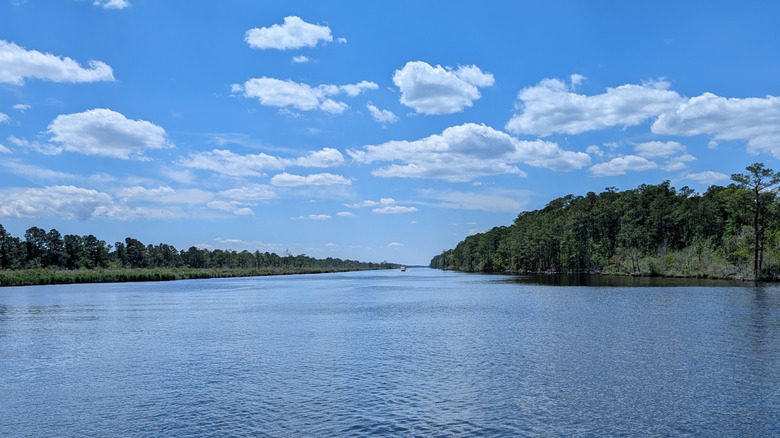
Unlike the glitzy beach towns of other East Coast states, large stretches of North Carolina's coastline fall under the auspices of the North Carolina Coastal Reserve (NCCR) for research and environmental study. In the late 1990s, the reserve decided to purchase an inland tract of land — an odd move for an organization with "Coastal" in its name. But it paid off. That decision resulted in the Emily and Richardson Preyer Buckridge Reserve, a serene, swampy area on the Albemarle Peninsula that has become one of the state's most important conservation sites.
As the only inland site managed by the NCCR, the Emily and Richardson Preyer Buckridge Reserve plays a critical role in preserving the swamplands it sits on and the native wildlife they support. It also connects two adjacent wildlife refuges: the Pocosin Lakes National Wildlife Refuge and the Alligator River National Wildlife Refuge. While those refuges were established in 1990 and 1984, respectively, it wasn't until 1997 that the state was able to purchase the Buckridge tract.
After acquiring the property, the state named the new reserve after Emily and Richardson Preyer, two prominent North Carolinians. Emily Preyer was a philanthropist and American Red Cross volunteer, while her husband, Richardson, served as a federal judge and congressman. A year before her death in 1999, Emily Preyer was awarded the North Carolina Award for public service. Today, the Buckridge Reserve is a protected conservation haven on the East Coast, around 96 miles east of Greenville and 172 miles east of Raleigh, via U.S. 64. It sits within the East Dismal Swamp, a wetland area spanning three counties that is notable for its rare inland coastal environment.
Protecting the state's native flora and endangered wildlife
Most of the Buckridge Reserve is covered by what the North Carolina Department of Environmental Quality describes as "non-riverine swamp forests," meaning its swamps are formed by surface runoff, rainfall, and groundwater discharge — independent of rivers or tides. The agency also notes that the reserve contains North Carolina's "most extensive contiguous example" of old-growth Atlantic white cedar forest. These forests, along with red maple, swamp black gum, and bald cypress trees, make it an important site for scientific research.
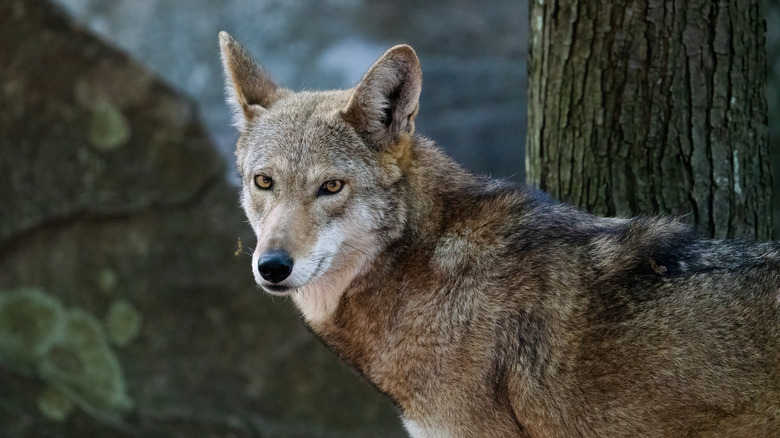
Buckridge Reserve is also a particularly rewarding spot for wildlife photography. The area supports a variety of birds and mammals, including several rare species. Red wolves are among the rarest. Once numbered in the hundreds and found throughout much of the East Coast between Pennsylvania and Florida, red wolves now survive in the wild only on North Carolina's Albemarle Peninsula, which includes the Pocosin and Alligator River National Wildlife Refuges and Buckridge Reserve. According to the U.S. Fish and Wildlife Service, fewer than 30 red wolves remain in the wild. Visitors to the reserve are also unlikely to spot these elusive predators.
The Emily and Richardson Preyer Buckridge Reserve — along with other national parks and wildlife refuges – also highlights the success of wildlife recovery efforts. The American alligator, whose population declined sharply in the 1960s due to hunting and habitat loss, has rebounded so successfully that more than 5 million of them now live across the Southeast. The area covered by the Buckridge Reserve and its adjoining wildlife refuges forms the northernmost territories in which you can spot wild American alligators. While the gators themselves might prove elusive, the reserve has many other animals that are easier to encounter, like black bears, otters, snakes, and a range of native and migratory birds.
Visit the Emily and Richardson Preyer Buckridge Reserve
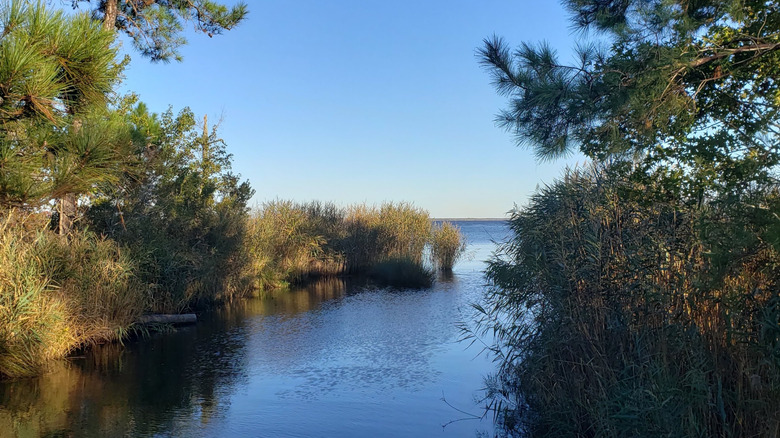
While the neighboring paddling and hiking wonderland of Alligator River National Wildlife Refuge is known for its peaceful vibe and relatively uncrowded trails, Buckridge Reserve provides an even more remote and serene environment. Because it's an ecologically protected reserve, it remains pretty isolated compared to areas managed by state agencies or the National Park Service. It is open to the public for low-impact touring — simple hikes, boat tours, and wildlife photography are among the activities allowed inside. However, exercise caution when you're inside, as parts of the reserve allow hunting.
Located about 19 miles south of Columbia, North Carolina, the Emily and Richardson Preyer Buckridge Reserve is an appealing destination for wildlife enthusiasts who don't want to wait until night to spot stealthy animals. The reserve is open only during the day, so camping is not permitted, but wildlife is still frequently observed. A few trails follow existing roads, though much of the landscape is swampland filled with tall, overhanging shrubs like swamp titi, gallberry, fetterbush, maleberry, and more, making boat access especially useful.
There are two ways to arrive at Buckridge Reserve: by car or by boat. For those driving, turn onto N.C. 94 from U.S. 64 in Columbia to reach the reserve. For those arriving by boat, the public ramps are at Frying Pan Landing and Gum Neck Landing. After a day of exploring the reserve, you can grab a bite and stay the night at one of Manteo's cozy B&Bs and local restaurants, or head over to Kitty Hawk for a night of waterfront shopping.