
Sandwiched Between Ontario And Québec Is A Tranquil Lake Escape With Fishing, Camping, And Islands To Explore
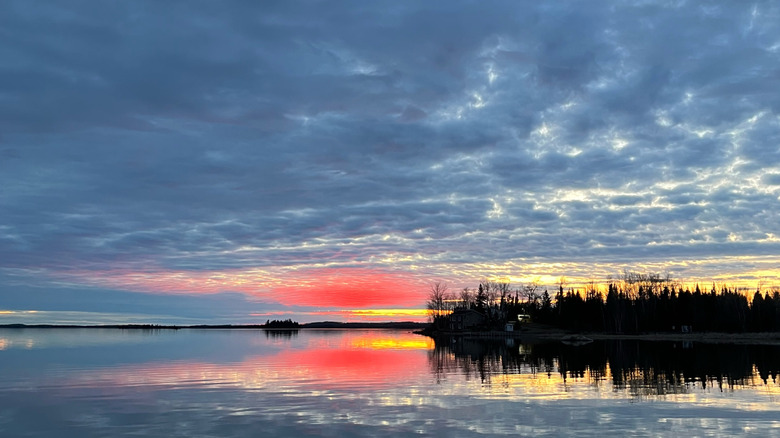
Canada is the second-largest country in the world, but it ranks number one when it comes to lakes. With around 2 million such bodies of water, Canada is home to 14% of the lakes on the planet, so it makes sense that they are among the country's most alluring destinations. While there is a dizzying number to choose from, one gem particularly stands out: Lake Abitibi. Spilling across the border into both Ontario and Québec, this freshwater body offers everything you can expect in a great Canadian lake: unpolluted waters, pure nature, and a whole array of opportunities for outdoor recreation.
Located some 450 miles north of Toronto and 600 miles east of Montreal, this massive freshwater body isn't particularly easy to get to. That said, its remoteness is precisely what makes it so special, as any visitor who makes the effort to travel there will be rewarded with a raw, unspoiled expanse of water free from crowds and overdevelopment. Nature is the name of the game at Lake Abitibi, and though visiting takes some planning, the unadulterated experience the lake offers is more than worth it.
"Great place in the outdoors away and secluded from everything, truly peaceful and a great get away experience!" raved one visitor on Google Maps, while this fan of the lake just had this to say: "Best experience of my life. Great fishing."
Savor the natural wonders of Lake Abitibi
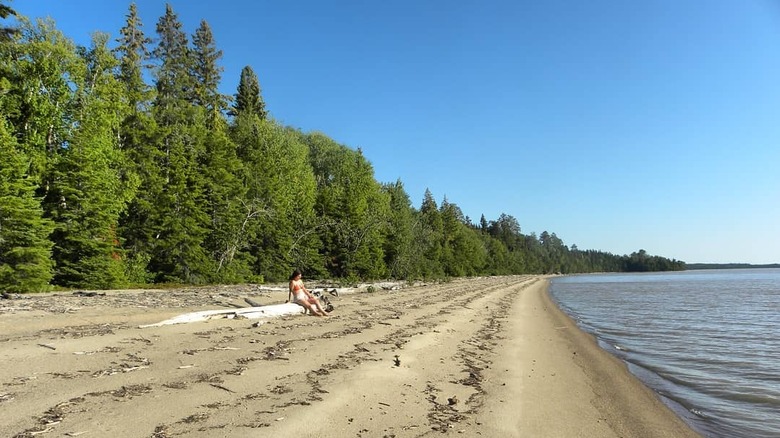
Meaning "middle waters" in native Algonquin, Abitibi is actually two large basins linked by a narrow channel. The lake spreads out over 250,000 acres and features a wooded shoreline. With an average depth of just 11 feet (the deepest spot is 49 feet), Abitibi is a shallow lake that owes much of its size to the dam constructed on the Abitibi River in 1915, while frequent winds often whip up sediment, resulting in dark, muddy waters.
While much of the shoreline is dotted with private fishing and hunting camps (that can sometimes be rented out), visitors interested in backcountry camping can visit Abitibi-De-Troyes Provincial Park. This 27,000-acre expanse protects a peninsula on the lake's southern shore and features coniferous forests, kettle basins, wetlands, and eskers, narrow, winding ridges of stratified gravel or sand formed by melting glaciers. There are no roads, campgrounds, or any other kind of facilities in the park. It's only accessible by air or water, but if you're looking for true isolation in a completely untouched environment, this is it. "Free from the pavement and concrete of the big cities, you can truly enjoy peace and tranquility here," remarked this visitor on Google Maps. "Lots of wildlife, plenty of opportunity to take some incredible photos."
The lake is also home to at least 900 islands, 786 of which are protected in Lake Abitibi Islands Provincial Park. These numerous rises are blanketed with arboreal forests and are vital nesting habitat for birds, including loons, bald eagles, great blue herons, cormorants, and more. The island park is an ideal destination for paddlers, anglers, and birders, though like the mainland park there are no facilities, so any visitors should be experienced wilderness campers and entirely self-sufficient.
Hook into a lunker at Lake Abitibi
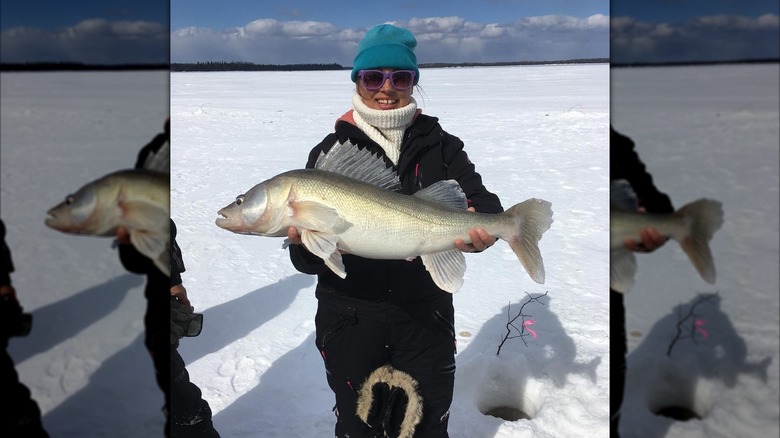
Like Quesnel Lake — Canada's remote second-deepest lake with mountain views and peaceful vibes — Lake Abitibi offers outstanding fishing. Anglers come in hope of landing one of the mammoth northern pike or walleye that call the lake home. "The walleye and Pike fishing was spectacular," reported one user on Ontario Out of Doors magazine's online forum, while this fisher posted a photo of her catch on Instagram with the caption, "Fishing is done. Lake Abitibi never disappoints and neither do my lucky yellow fishing boots!"
One nice thing about Lake Abitibi is that you don't necessarily need a boat to start fishing. Due to its shallow depth, it's easy to catch monster pike from the shoreline, though this is best done from the Québec side. Also, come winter, the lake freezes over, and hearty anglers take to the hard surface with their augers and shacks to practice that deeply-honored Canadian tradition of ice fishing. "After a 15km snowmobile ride we arrive ... There are dozens of other parties fishing and large ice shacks dot the [bay]," wrote journalist James Smedley in an article on Lake Abitibi ice fishing for Northern Ontario Travel magazine. "I land a 21-inch walleye and Steve follows with a 22-inch fish from his set line." For more of Canada's raw splendor, check out Temagami, the "Gateway To Ontario's Wilderness," or head out to British Columbia's wild Vancouver Island for diving, surfing, trails, and rainforests.