
Goodbye Hiking Trips, This Outdoorsy Travel Trend Is Taking Over Vacations
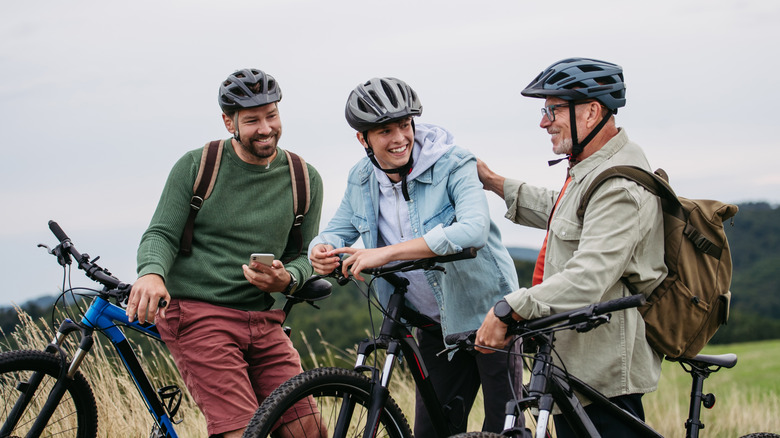
In theory, hiking is one of the simplest things you can do. It's just one foot in front of the other! Humans have been moving around on foot since the dawn of time, so this should be the default means of travel, right? Yet in practice, hiking long distances is rife with stumbling blocks. Walking is slow; most of us can't expect to cover more than 10 miles per day. A backpack's weight puts stress on our spines and joints. Even getting to the trailhead often requires a lot of effort; either we have to drive to an obscure gravel lot and park our cars for days on end, or else some hapless friend has to drop us off.
People will always hike, but bicycle touring has long proven itself as a great alternative, and more travelers seem to be opting for wheels over trekking poles. The Boston-based tour company Explore Worldwide wrote about this in a year-end blog post. "Explore's Cycling program is up 20% year-on-year for 2025, and all signs point to a very strong 2026," it reported. "And these aren't only for the lycra-clad — it's the leisurely and moderate graded trips that are performing the best."
A similar company, Euro Bike Cycling Holidays, echoed this sentiment in its own post: "Cycling travel continues to be exciting in 2026. New dream destinations and a stronger focus on sustainable tours are set to define the year ahead. Increasingly, cyclists are seeking slower, nature-immersed experiences, authentic encounters, and opportunities for a real athletic challenge." If that sounds enticing, here are the best cycling destinations in Europe for bike-lovers.
A revolution in bicycle touring
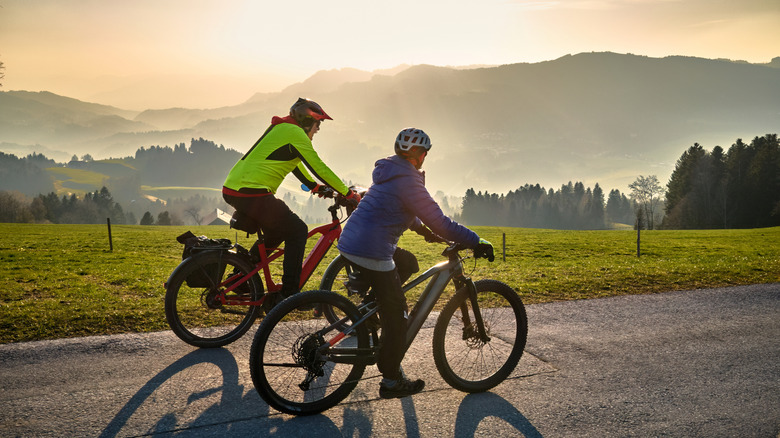
Traveling by bicycle is as old as the bicycle itself. The English adventurer Thomas Stevens rode a high-wheeled model 13,500 miles in the 1880s, crossing the U.S., Europe, and Asia in an era of mostly dirt roads. Casual cycling is often described as "four times more energy-efficient" than walking, which means less exertion while moving significantly faster. You cover more ground than you would on foot, and you see more landscape as you go. But unlike a car-based road trip, bike tours are considered "active travel," so you can spend hours exercising in the open air and interacting with the environment.
In general, cycling has exploded in popularity around the world, and for many reasons. The pandemic saw a boom in bicycle sales, as millions of people sought socially distanced recreation. Many communities across the U.S. installed cycling infrastructure, such as trails, racks, and separated lanes, to meet the demand. Meanwhile, "adaptive" technology has rapidly expanded the cycling market; e-bikes, adult tricycles, tandems, and hand-cycles are all designed for diverse ages and body types. Travelers who aren't capable of heaving a 40-pound backpack up a rocky slope could very well pedal for miles without pulling a muscle.
Cyclists used to require pavement, but even this restriction has been lifted: Gravel bikes are made to roll swiftly over unpaved backroads, and mountain bikes can handle dirt paths and narrow tracks. Perhaps the most versatile is the "fat tire" bike, which riders can take over beaches, frozen lakes, and open grasslands — environments once considered impassable on two wheels. A new wave of "bikepackers" has hit the trail in recent years, using minimalist bags and gear to ride across remote terrain; this exciting type of camping exploration is becoming wildly popular in America.
How to start with bicycle-based travel
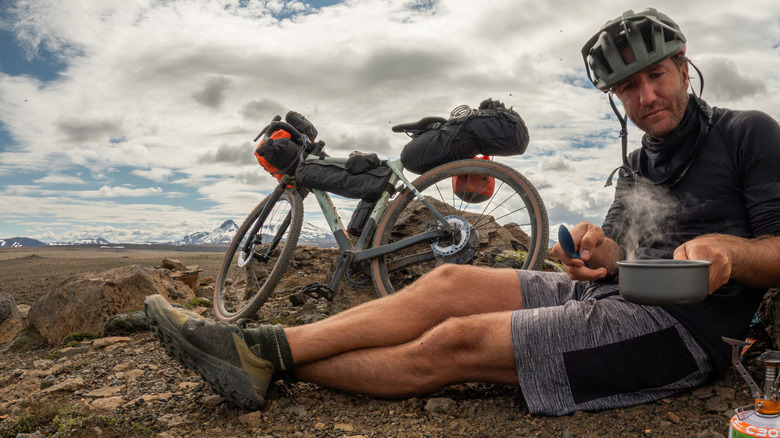
If you've never traveled by bicycle before, the prospect can feel intimidating. Bikes can be expensive and high-maintenance, and it's only a matter of time before a tire flattens or a chain snaps. Panniers and handlebar bags take the burden off your shoulders, but carrying all your belongings is still a physical challenge, especially up hills. Ironically, safely parking a bicycle can be a real headache; hoteliers sometimes frown on storing bikes in rooms, and you may have to lock your bike in the street while stepping into a store or buying train tickets, making your possessions vulnerable to theft. The biggest fear has nothing to do with bikes or stamina, but the presence of cars; motor traffic is a serious danger. Thru-hikers may trudge for days without ever seeing a car, much less dodging one.
To ease into the process, you might consider a supported bike tour. These come in all forms: guided excursions through cities, multi-day group rides through exotic locations, and even "bike-and-boat" river cruises that include cycling between ports. Independent travelers may rent a bike for a day or two, exploring unfamiliar places at 10 miles per hour – here are the 10 most bike-friendly cities in the world for easy, stress-free travel. As you acclimate to the road, you can attempt overnights and extended loops. Entities like Bikepacking.com and the Adventure Cyclist Association have developed thousands of miles of routes, as has the cycling navigation app Ride with GPS. Once you get the hang of it, the potential is enormous; bike-travelers may continue riding decades into their retirement. And the bonus: cross-country cyclists are encouraged to eat as much as they want.