
Forget Italy, This European Alternative Is One Of The World's Best Places For A Foodie Escape In 2026
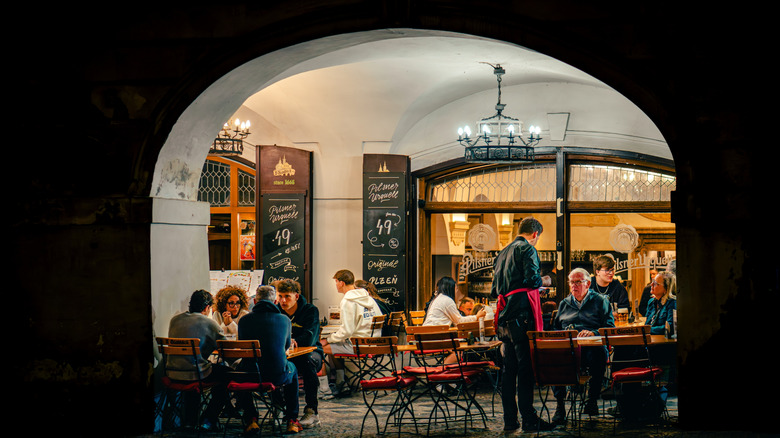
For decades, travelers planning food-focused trips to Europe typically started with iconic destinations in Italy, France, and Spain. But in 2026, Czechia is becoming part of the conversation after both Michelin and National Geographic highlighted the country as one of the world's top destinations for food lovers. This recognition builds on the momentum that has been growing for years. Michelin's first nationwide guide for Czechia debuted in 2025, expanding beyond Prague and recognizing restaurants across the country. Currently, the guide includes 79 restaurants, including nine starred restaurants and 18 Bib Gourmand selections. Gault & Millau also expanded their ratings guide to include Czechia last year.
Czechia's highest-ranking restaurant is currently Papilio, the country's only two-Michelin-star restaurant, with a score of 17.5/20 from Gault & Millau. Now is the time to visit, as reservations may be easier to obtain and menu prices haven't skyrocketed — yet. A 10-course chef's menu at Papilio costs 6,500 CZK, just over $300 using current exchange rates at the time of this writing.
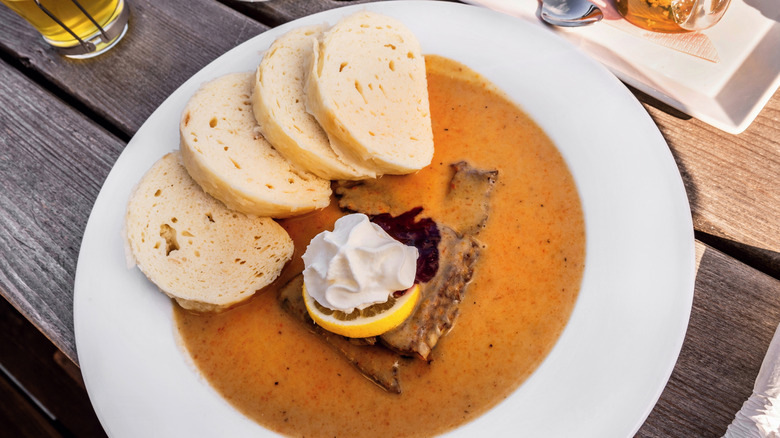
Travelers wanting to experience Czechia's everyday dishes should also be prepared to come hungry. The country is known for hearty cuisine, with many dishes featuring roasted meats, dumplings, and creamy sauces. One of Czechia's most famous dishes is Svíčková, a slow-cooked beef dish served with a rich cream sauce made from root vegetables, alongside bread dumplings, cranberry sauce, and a slice of lemon. While Svíčková is commonly served at celebratory events, such as weddings, it's also available at restaurants all over the country and offers a taste of what visitors can expect.
How Czechia's food revival began
One reason Czechia's gastronomic rise has attracted so much attention is that it happened relatively quickly. In 1948, the country came under Communist rule. That control extended to what people ate and what restaurants could serve, with state-run restaurants expected to follow standardized recipes from official cookbooks. Fast forward to 1989, and the Velvet Revolution changed everything. Suddenly, chefs had access to new ingredients and techniques, international influence, and greater culinary freedoms.
Today, many Czech chefs are focusing their efforts on reimagining classic Czech dishes for a new generation of diners. Rather than replacing the country's food heritage, many chefs are building on it. You'll still find bakeries, neighborhood pubs, and plenty of family-owned restaurants serving dishes that are deeply rooted in Czechia's culinary traditions. But you'll also find gourmet offerings receiving prestigious recognition from Michelin, Gault & Millau, and the Best Chef Awards.
Beer is also an integral part of the food scene in Czechia, which is why Prague is often called the "beer capital of Europe." The history of beer production in Czechia stretches back more than a thousand years, but World War II and the subsequent decades of Communist rule had a drastic effect on the beer industry. Nationalization reduced the number of independent breweries and the variety of beers available. In the years following the Velvet Revolution, brewery growth has once again been on the rise. Today, Czechia consumes the most beer in Europe (per capita).
Other foodie experiences in Czechia

While Prague might be Czechia's best-known destination, some of the attention surrounding the country's food scene is happening elsewhere. Michelin's expansion of its guide nationally has helped spotlight regions that some visitors may have overlooked. One of these areas is Moravia. Brno, the capital of Moravia, is Czechia's second-largest city and an underrated foodie destination. As a university town, it offers exciting nightlife in addition to great eats. Brno has seven Michelin-recommended restaurants, including two that earned a Bib Gourmand.
While Czechia may be more closely associated with beer, Moravia has emerged as one of the country's leading wine regions, home to 96% of the country's registered vineyards, according to Wine Tourism. With nearly 750 miles of marked cycling trails, travelers can visit scenic villages and enjoy vineyard landscapes while working up an appetite for the next foodie stop. Czech wines are food-friendly and pair well with many traditional dishes and desserts.
For travelers who typically default to Italy for a culinary-themed vacation, Czechia's growing recognition reflects a broader shift in where some of Europe's most interesting food and drink experiences can be found. Recognition from Michelin and Gault & Millau is helping elevate Czechia from an overlooked culinary destination to one attracting growing international attention.