
This Steel Town An Hour From Pittsburgh, Pennsylvania Has River Views, Diners, And Nostalgic Charm
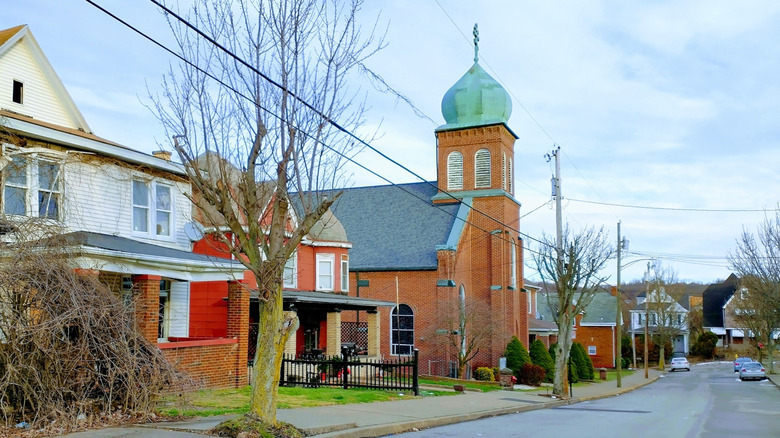
Pittsburgh is far from the only place in Western Pennsylvania with an industrial legacy. From the 1870s until the early 1980s, the entire region was Steel Country, peppered with mills, blast furnaces, and coke ovens that produced the metal used to craft many iconic landmarks, from the Empire State Building to the Panama Canal. Monessen was one of the small towns birthed from this industrial boom. Tucked into a bend of the Monongahela River, Monessen was founded in 1897 and quickly grew into a bustling manufacturing hub. Even the town's name is a tribute to its industrial heritage, derived from the German iron town of Essen.
By the 1960s, Monessen was a thriving city of over 18,000 people, many of whom worked in factories like the Wheeling-Pittsburgh Steel plant, which employed thousands of the town's residents until it shut down in the 1980s. When that industry left, the city started to shrink. Monessen today is a quieter small town of about 6,600 people, but it has retained the multi-cultural spirit brought by the many immigrants who moved there for factory work, and its riverside land is today home to the 60-acre Monessen Riverfront Industrial Park.
This town is about an hour's drive south of Pittsburgh in Westmoreland County, a location that places it right in the heart of the Rivers of Steel National Heritage Area. This makes it a great addition to any road trip exploring Steel Country's heritage, and there are a slew of museums and sites across the region that will pique history buffs' interest. It also serves as a gateway into the Laurel Highlands region, making it just as appealing for nature lovers as those who want to dig deeper into Western Pennsylvania's industrial past.
Monessen's riverfront and parks
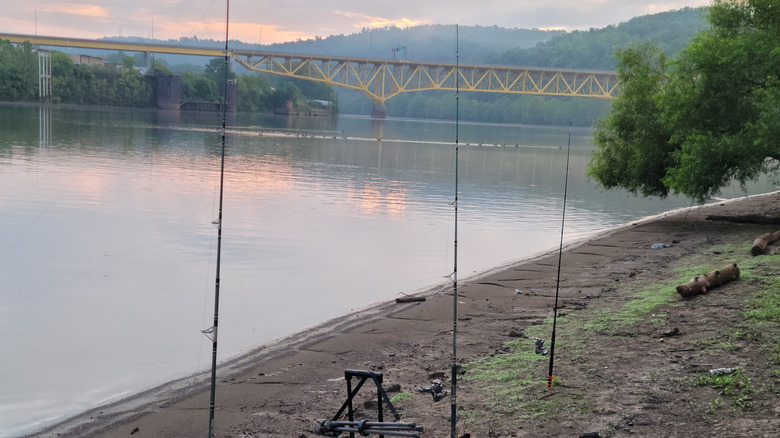
Like many of the small towns in the tree-lined mountains along the Laurel Highlands Scenic Byway, Monessen has plenty of green space to enjoy. If you're looking for river views, head to the Herman Mihalich River Launch Park along the town's northern border. This compact, 2-acre park features a picnic area and playground, along with a fishing pier and public boat launch where you can take canoes, kayaks, and other watercraft out onto the Monongahela River. This stretch, known as the Monongahela's Middle Section, has fewer access points than the Upper or Lower Mon since it's not yet designated as a National Water Trail, making Monessen one of the few places you can explore this portion of the waterway.
There are more parks to enjoy further inland. The largest is the 33-acre Monessen City Park, which has entertainment like a horseshoe pit, tennis courts, walking trails, and a bonfire pit. It's also home to the City Park Amphitheater, an outdoor stage used for performances like the summer concert series on Saturdays from June through September. City Park also hosts events like the annual Mon Valley Paws in the Park in September, a fundraiser run by a regional animal rescue organization that features food trucks, vendors, and even a pet contest.
If you want to immerse yourself in nature, head about 15 minutes east to Cedar Creek Park. This 479-acre natural area is along a different river, the Youghiogheny, and contains the picturesque Cedar Creek Gorge as well as fishing spots and a boat launch. For hikers and bikers, Cedar Creek's most exciting feature is access to the Great Allegheny Passage, an epic 150-mile trail running through Pennsylvania and Maryland.
History and nostalgia in Monessen
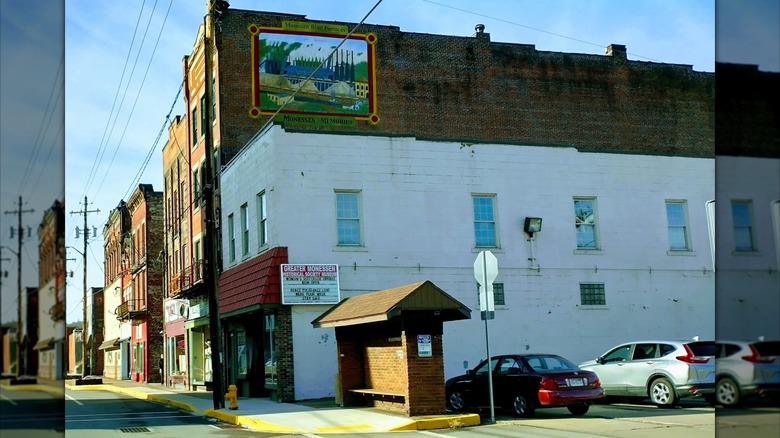
If you want to learn more about Monessen's history, the Monessen Heritage Museum is a good first stop. Run by the Greater Monessen Historical Society, the museum's exhibits display sports memorabilia, military regalia, and other artifacts from the town's first 100 years. It does have limited hours (10 a.m. to 2 p.m. on Wednesdays and Thursdays), but you can also tour it on Saturdays by appointment.
Similar to other Westmoreland County towns like the historic hidden gem of Latrobe, Monessen still has many buildings from its early 20th-century heyday, like the Ted Kisor estate built in 1909 or the McMahon House, once the home of town founder Thomas McMahon. Other landmarks honor Monessen's industrial history, like the Brown Street Clock outside the police station on Donner Avenue, which commemorates the Brown Street Clock Company that opened there in 1906. Baseball fans can head about a block away to see the Josh Gibson plaque honoring the Homestead Grays star's 538-foot home run, which he hit at the now-demolished Page Park. To see local heritage come to life, you can visit during the Parish Festival held at the Epiphany of Our Lord church every August. The festival's main draw is food, which includes homemade European fare like Polish pierogies and Italian sausage.
You can also taste the nostalgia at Monessen's diners. Bailey's Diner, next to the Heritage Museum, serves classic comfort food like meatloaf and country fried steak. A couple blocks away on Schoonmaker Avenue is The Steel Plate, a family-run spot serving homestyle American fare like pulled pork, burnt ends, and mac and cheese. Another place for old-school eats is By George near the Herman Mihalich River Launch, which serves traditional Italian and Greek cuisine, along with unique fusions like baklava cheesecake and Greek spaghetti.