
Why More And More Tourists Are Taking Vacations To Peru In 2026
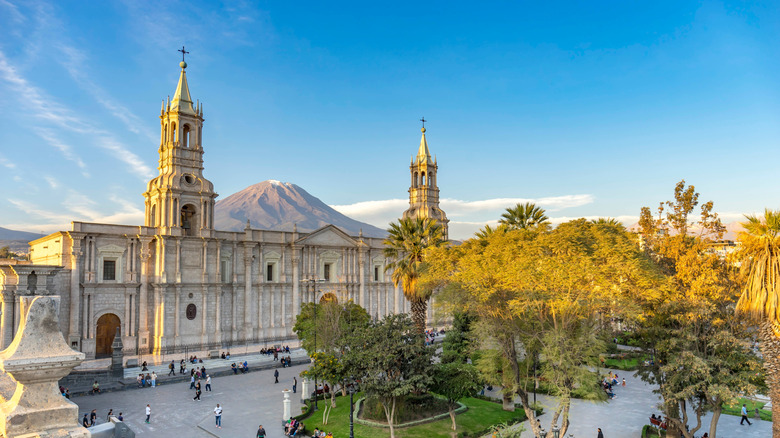
In 2026, the global travel landscape is reaching a breaking point due to overtourism, prompting travelers to say goodbye to traditional, overcrowded destinations and seek quieter, more restorative experiences that benefit the environment and local communities. This growing desire to unplug and seek meaningful travel experiences is one reason more tourists are choosing Peru this year. The South American country offers a compelling mix of nature, culture, and sustainable experiences that meet such expectations, with Lonely Planet ranking Peru among its best destinations for 2026.
According to first-quarter data released by Peru's Ministry of Foreign Trade and Tourism, the country welcomed 823,863 international visitors between January and March 2026 alone, a 3.5% increase, or roughly 28,000 more visitors, compared with the same period a year earlier. This change was driven largely by travelers from Chile, the United States, and Ecuador. North America alone accounted for 22.5% of these arrivals, with U.S. travelers making up 186,000 visitors. Perhaps most notable, however, is the rise in the so-called adventure travelers – tourists seeking active, nature-focused, and culturally immersive experiences.
Getting to Peru has also become easier, thanks to new airline co-marketing alliances, such as Level's direct routes connecting Barcelona to Lima, and the bilateral South Pacific air services agreement with Australia. Peru's tourism agency, PromPeru, is also deliberately reshaping the country's travel narrative toward more impactful, personalized experiences. Among its main initiatives is the integration of an advanced, conversational AI-driven itinerary planner into the official national tourism portal to simplify the organization of highly customized itineraries.
How to explore the Peruvian Amazon and where to stay
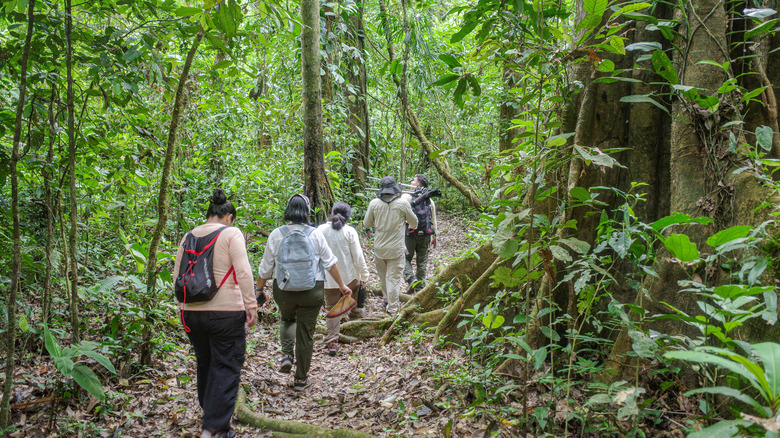
As interest in "purposeful travel" grows, so does demand for destinations beyond Peru's traditional tourism circuit. While iconic hubs like Cuzco, a wildly affordable city featuring ancient ruins, traditional eateries, and breathtaking hikes, and the capital, Lima, continue to dominate traditional travel itineraries, the new frontier of Peru's 2026 travel has taken over the wilds, driven by a growing interest in different forms of ecotourism. Roughly two-thirds of the country's territory is covered by the incredibly biodiverse Amazon jungle. Yet historically, only a fraction of international visitors chose to venture into the rainforest, partly due to limited tourism infrastructure.
Today, travelers can take advantage of a wide range of organized trips and cruises, many of which are certified for environmental and social sustainability by global bodies such as the Rainforest Alliance. A popular starting point for exploring the rainforest is Iquitos, the world's largest city inaccessible by land. Located near the Pacaya-Samiria National Reserve, it's accessible via short flights from Lima and Cuzco. The city is known for its rubber-boom-era architecture, including the famous Casa de Fierro, widely associated with Gustave Eiffel, as well as traditional open-air markets and the "floating" district of Belén, sometimes called the "Venice of the Amazon." Iquitos also serves as a launch point for wildlife excursions, where travelers may encounter pink river dolphins. Luxury operators such as Delfin Amazon Cruises combine wildlife-focused itineraries with high-end accommodations, including private-suite options.
Puerto Maldonado, not far from the Bolivian border, hosts another major entry point to the Amazon: the Manu-Tambopata Corridor, established to protect one of the planet's richest biological sanctuaries. The area is home to several comfort-forward eco-lodges, including the Posada Amazonas Lodge and the Tambopata Research Center.
More tourists are choosing socially responsible activities in Peru
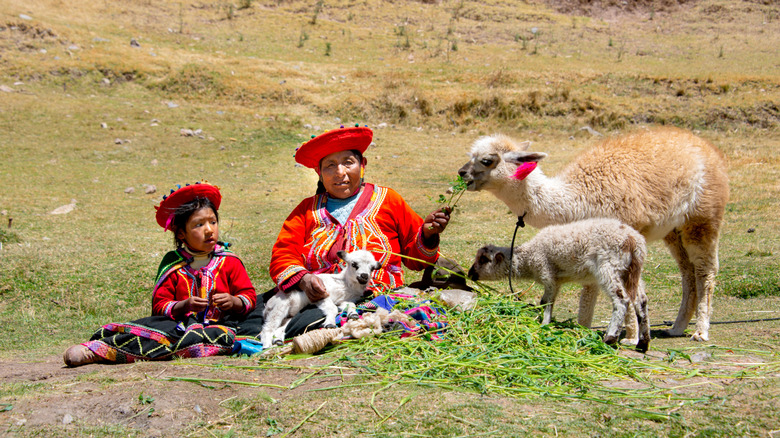
With increased awareness of the impacts of mass tourism, more and more people are endorsing socially responsible travel. Peru offers several opportunities to support local communities, further strengthening its appeal as a leading international destination. PromPeru has also encouraged travelers to explore the country's lesser-known destinations, helping spread the benefits beyond the most visited areas. The effort comes as sites such as Machu Picchu continue to face pressure from high visitor numbers. Additionally, about a dozen traditional settlements have also received recognition through the United Nations Tourism Best Tourism Villages initiative for their role in sustainable rural development.
Tour operators focused on community-based tourism are helping direct more tourism revenue to local residents while creating more immersive experiences for visitors. For example, Weaving Experience in the Sacred Valley village of Patacancha (about a 2.5-hour drive from Cuzco) empowers local artisans to monetize their ancestral craftsmanship. Cusi Travel, meanwhile, offers day tours to a local Andean village near Maras and Moray. The aim is to learn more about Quechua culture directly from the people who live it.
Then, there is the rediscovery of several non-traditional circuits across Peru's diverse topography, including the ancient Qhapaq Ñan route, a diffuse UNESCO World Heritage site spanning six countries in the Andean region. This helps foster local economies in villages that have historically been excluded from the traditional tourism map. Food tours are also an increasingly popular way to have a "taste" (quite literally) of the country's different social, geographical, and cultural backgrounds, and of its historic links with other nations. They often involve engaging directly with small-scale farmers and local market vendors.