
Canada's Only Urban National Park Is An Outdoor Haven In Toronto With A Lake Ontario Beach And Trails
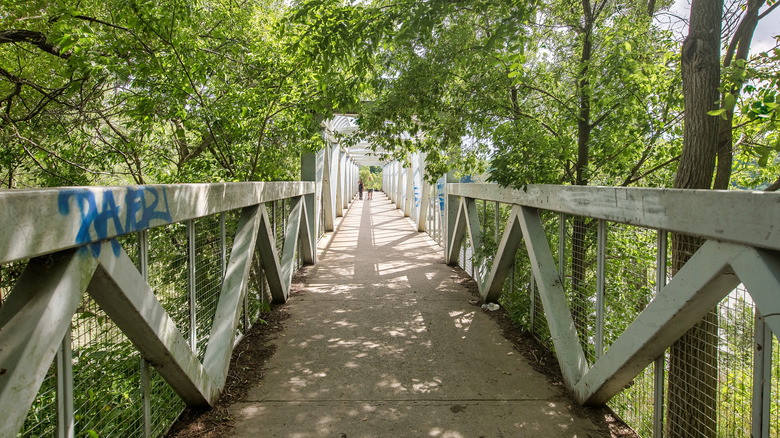
The bustling Canadian city of Toronto isn't commonly known for its great wilderness escapes. But that changed in May 2015 when the Rouge National Urban Park was established in the Greater Toronto Area, just about an hour's drive from the city's downtown and about 30 minutes from Toronto Pearson International Airport.
While Canada has no shortage of epic outdoor escapes, they come with a hefty commute when departing from Toronto. For example, Georgian Bay Islands National Park is a whopping five-hour round-trip drive from downtown. A trip to Rouge National Urban Park is less than half of that commute, and visitors can also reach the park car-free in about 90 minutes by utilizing the local subway and bus system.
Despite its label as an "urban park," Rouge is extremely biodiverse, housing nearly 1,000 unique plant species in its forests. You'll also find 247 bird species, 44 types of mammals, and 27 amphibian and reptile variants in its 19,521 acres. There are also 73 fish species in the park's waters, some of which travelers are lucky enough to catch during their visit. Here's a full breakdown of Rouge National Urban Park's beach, marsh, river, and trail system to prepare you for a visit to this conveniently located wilderness getaway.
Luxuriating at Lake Ontario's Rouge Beach, marsh, and river
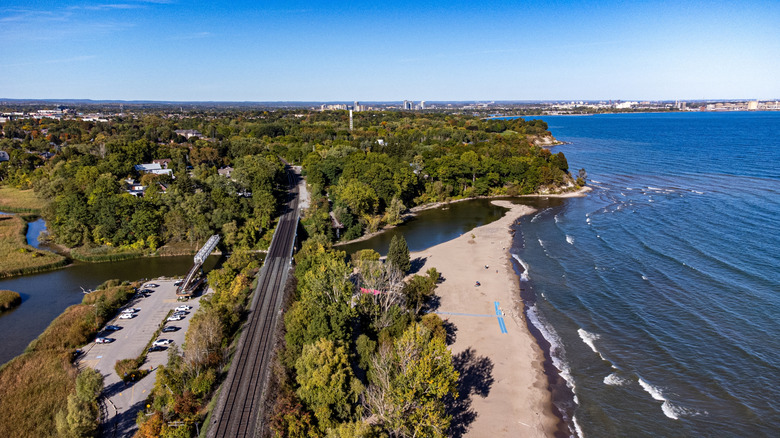
Rouge National Urban Park offers a quick waterfront escape with the scenic Rouge Beach. It runs along a sandy shoreline of Lake Ontario with open water views. It's one of the 11 swimmable lakes in Toronto, however, the government of Canada strongly cautions against this due to variable conditions and bacterial levels — so swim at your own risk.
But with its jewel-toned waters and gentle waves, Rouge Beach a peaceful sanctuary at the water's edge, even if you don't plan to get in. One visitor shared on Google Reviews that "the beach was absolutely stunning — the water was calm and so beautiful. There were some chairs to sit on, and there were lovely walking trails around the area too." Fishing is another popular shoreside activity in the park, permitted for anyone with a valid Ontario fishing license (which can be purchased online).
Rouge Marsh, the largest remaining wetland in Toronto, is another prized area for casting a line, home to several species of pike, trout, bass, and salmon, depending on the time of year. Visitors can also enjoy leisurely kayaking, paddling, or canoeing in the sizable marsh as well. For the most immersive adventure through the park's wetlands, parkgoers use the Glen Rouge Day Use Area and head down the Rouge River, which eventually reaches the marsh after an hour-long trip. It's a prime activity for wildlife viewing in summer months, and during fall, the woodlands boast vibrant autumn colors.
Exploring Rouge National Urban Park's 14 trails
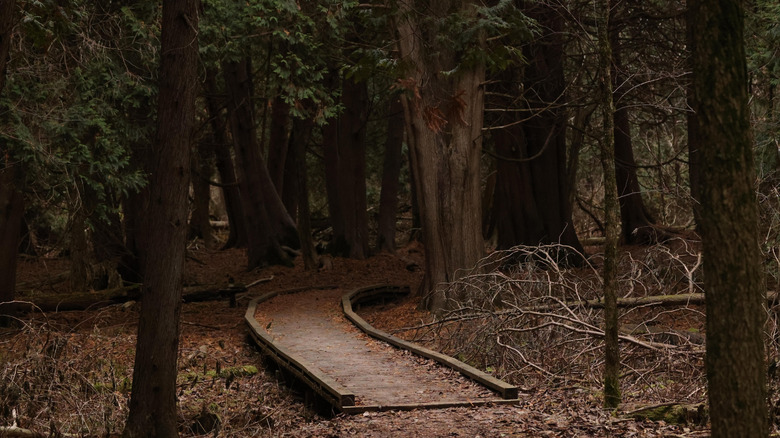
Rouge National Urban Park's trails place visitors in the heart of the property's meadows, mature forests, and farmland fields, comparable to the hidden wilderness thriving in downtown Toronto. The park contains 14 trails that range in difficulty from easy to moderately challenging — taking between 15 minutes to four hours to complete, depending on the trail. The Beare Wetlands Loop is ideal for spotting turtles, while the Reesor Way trail is best for bird-viewing opportunities. You may spot hawks, herons, owls, and songbirds along the path.
The Orchard Trail passes through early settler history's remains, including the remaining parts of a mill, former homes, and an apple orchard. For Rouge River views, opt for the Glen Eagles Vista Trail. The longest route in the park is the Northeast Trail, an eight-hour round trip hike crossing seven boardwalks with marshland and agricultural field views. Such a long route pairs well with an overnight stay, so consider the neighboring town of Pickering, just 15 minutes away by car, with lake views, shops, and outdoor fun.
Parks Canada staff leaders and volunteers regularly host free guided walks in the park for those eager to learn more about the region's natural and cultural history and happenings. You'll find children-friendly hikes highlighting local wildlife, tranquil walks that emphasize nature's healing properties, and active group jaunts that help improve hiking endurance. The official Rouge Urban National Park website provides an up-to-date hiking schedule, alongside handy seasonal tips for tackling the trails year-round. Of course, before you go, definitely brush up on the unwritten rules you should know before visiting Canada.