
Sandwiched Between Buffalo And Rochester Is New York's Largest Wildlife Refuge With Trails And Unique Wildlife
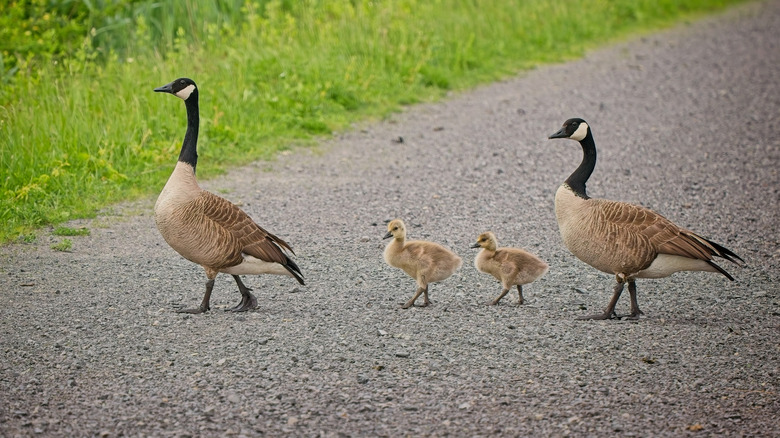
Upstate New York is known for its pristine wilderness and outdoor adventures. Some of them, such as the Adirondacks' 'forever wild' landscapes or the Finger Lakes' gorges, are well-known. However, there's one sprawling patch of unspoiled nature that remains a blip for city-dwellers who want some space to breathe. The Iroquois National Wildlife Refuge is the Empire State's largest wildlife refuge at 10,828 acres. This lush sanctuary protects distinct ecosystems in a quiet and rural part of Western New York, as it is home to a staggering 266 bird and 42 mammal species, offering scenic trails, bird-watching, fishing, hunting, and a state-of-the-art visitor center.
The Iroquois National Wildlife Refuge's wetland habitat was created centuries ago by the recurring fluctuations of prehistoric Lake Tonawanda, which once submerged this area. These marshes and swamps were threatened when early settlers logged and drained them to repurpose them as farmland. This called for federal protection, and the land was designated as a wildlife refuge in 1958, which ensured the future protection of this vital biome. Ever since, the authorities have taken significant measures to protect and nurture the reserve's five ecological regions: emergent marshes, hardwood swamps, grasslands, shrublands, and upland forests.
This sanctuary is sandwiched between two other protected lands, the Tonawanda and Oak Orchard Wildlife Management Areas, which together form the larger "Alabama Swamps." It's also easy to reach — about 40 minutes northeast of Buffalo and 50 minutes west of Rochester. Meanwhile, Syracuse, one of the most affordable vacation cities with food and art, is two hours away from the reserve. As it's a day-use only park –- open from sunup to sundown every day — it makes for a beautiful day trip to nature from various cities.
Learn about the unique biome in the Iroquois National Wildlife Refuge's visitor center
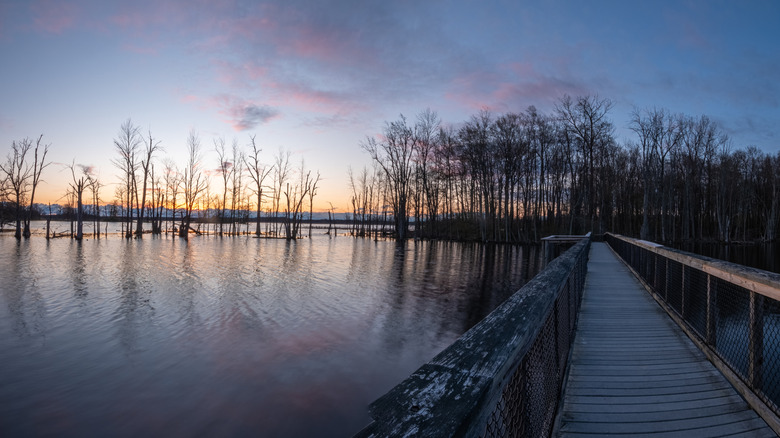
Thanks to conservation efforts, Iroquois National Wildlife Refuge hosts a wide range of animals, including uncommon critters such as the woodland jumping mouse, the northern flying squirrel, river otters, several species of bats, and birds like the king rail, the black tern, cerulean warblers, and least bitterns. According to the U.S. Fish and Wildlife Service, "over 266 different species of birds, an estimated 29 species of reptiles and amphibians, 18 species of fish, 42 species of mammals, and an abundance of invertebrates have been documented on the refuge."
You'll want to traverse the park's trail network to see these residents up close, but before venturing, take some time to explore the visitor center. This well-curated space is lined with wildlife replicas, historic artifacts, and interactive exhibits on the ecological zones, providing valuable context before heading out. There's also a live camera pointing at the wetland habitats and wildlife in real time. You can grab binoculars and maps here. Make sure to browse the gift store run by Friends of Iroquois National Wildlife Refuge to pick up some mementos. Note that the visitor center is only open from 9 a.m. to 4 p.m. from Tuesdays to Saturdays.
Start your hiking adventures nearby on the Headquarters Nature Trail – a 1.1-mile flat gravel path. "The trail located at the visitors center was fantastic and very easy to walk. It had some gorgeous views as well!" wrote one Google reviewer. For an incredibly short jaunt, it shows beautiful wildlife– warblers, purple martins, wood ducks, alongside deer and opossums are frequently spotted. Fans of blooms can also catch glimpses of seasonal wildflowers on the grasslands portion of this route.
More trails and overlooks at Iroquois National Wildlife Refuge
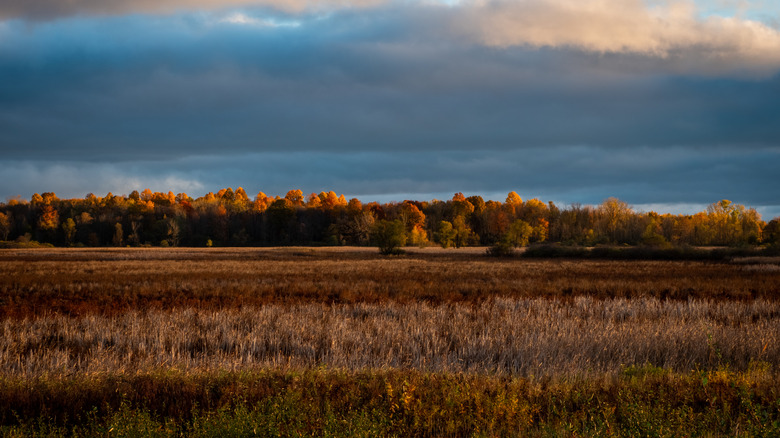
The refuge has more short yet rewarding hikes, like the Kanyoo Trail and Swallow Hollow Trail, both measuring around a mile, skirting around a mix of woods and boardwalks for expansive views. The latter takes you around the forests where the hearty songs of the resident warblers will keep you company throughout. If you want to get some steps in, set your sights on the 3.5-mile Feeder Road Trail instead. This out-and-back path meanders through various habitats of the reserve, diverse wildlife, and a myriad of bird sightings. From October to February, you can also drive a portion of this path.
Iroquois NWR also offers overlooks (with parking) as an effortless way to spot these wildlife zones. The Cayuga Marsh Overlook — right off Route 77 — is a popular spot and gives visitors frequent glimpses of resident bald eagles, black terns, turtles, muskrats, and various wading birds making a splash at this wetland. One past visitor shared, "I had to keep my binoculars moving back and forth to capture the sights and sounds of Spring!"
Meanwhile, you'll see great blue herons and mallards skimming water for prey as well as migrating geese at the Ringneck Marsh Overlook. You can also fish at Ringneck Marsh — with a valid license — and reel in a slew of species, including northern pike, bullhead, yellow perch, sunfish, and carp. After a day of exploring the reserve, you can stay the night at Grand Island, New York's charming resort island with water sports, or head over to Lakeside State Park for a peaceful campsite, depending on your speed.