
Canada's Most Darling East Coast Getaways With Inviting European Vibes
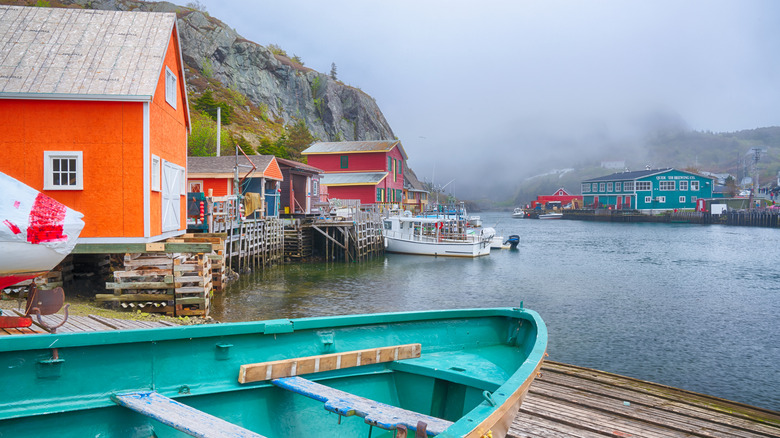
A millennium ago, Vikings voyaged across the Atlantic into the Labrador Sea, where they discovered terra firma later known as Newfoundland. Relics remain of their landing at L'Anse aux Meadows National Historic Site today. Looking at a map, it's easy to see how sailing west from France or England would lead to the lands that would one day be Canada.
Fast forward 500 years to a swath of land south of the Norse settlement frequented by European fishing vessels beginning in the early 1500s. St. John's in Newfoundland and Labrador was claimed by England in 1583, and is among the first European Settlements on the continent.
European colonies proliferated across the eastern portion of Canada, making their way west over the preceding centuries. Many of these settlements have become cities that still possess the charm brought by their original European inhabitants and are ripe for exploration today. Here are five longstanding locales on Canada's east coast that make visitors question which continent they're actually on.
Quebec City, Quebec
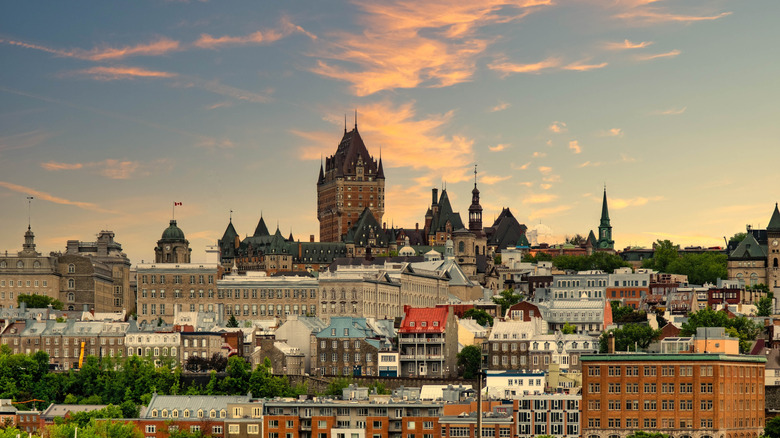
Beyond the colorful, historic structures clinging to the cliffs above the Labrador Sea in St. John's, Québec City, founded in 1608, arguably evokes the most European vibes of any town in Canada.
Strolling Old Québec, a UNESCO World Heritage Site, cobblestones pave streets lined with French-influenced architecture. Located along the St. Lawrence River, fortified stone walls, once used to protect the city from sieges starting in 1690, still surround the age-old city.
Experience the enchanting, enduring structures of Québec City from the inside while dining on traditional Québecois fare at Aux Anciens Canadiens, a restaurant housed in a property built in 1675; or tour Notre-Dame de Québec Basilica-Cathedral, built in 1647, plus the majestic Fairmont Le Château Frontenac that opened in 1893.
Saint John, New Brunswick
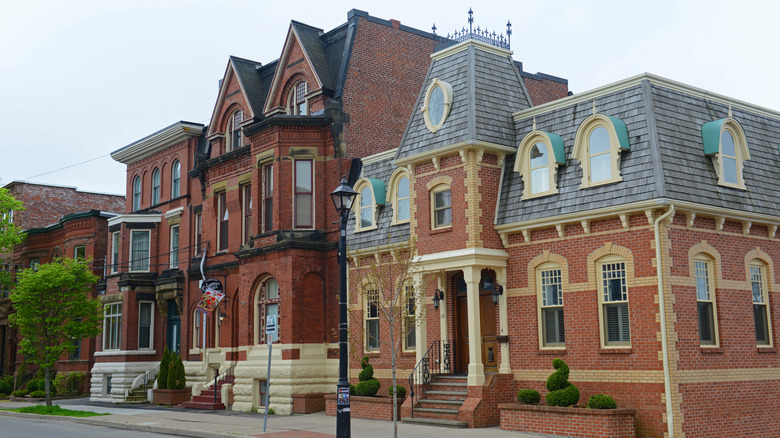
Canada's first officially incorporated city, Saint John, New Brunswick, was formally established atop the Bay of Fundy in 1785. Long before the British settlers formalized their presence, the Mi'kmaq and Maliseet Indigenous peoples had inhabited the resource-rich area.
Visitors can spot many historic homes and structures built by the city's European colonists. One of the most notable is the Loyalist House, whose construction began in 1811. The structure stands today, having survived a fire that decimated many of the city's original buildings in 1877.
Old Montréal, Quebec
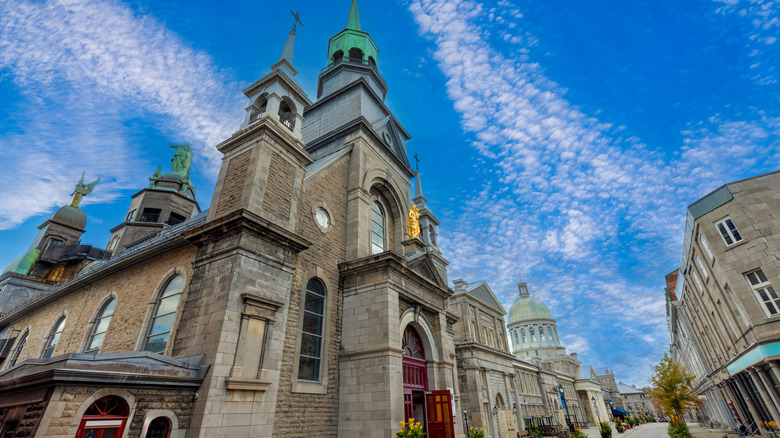
In the middle of the St. Lawrence River, a group of French explorers founded a missionary colony in 1642, which they dubbed Ville Marie on the Island of Montréal. Nearly 400 years later, the Paris of Canada still boasts cute cobbled streets and historic charm, transporting people back to centuries past.
Visit the Old Saint-Sulpice Seminary, built in 1684, Notre-Dame Basilica, built between 1824 and 1829, or the General Hospital from 1693, and see why Tripadvisor reviewers say they felt as if they were actually in France.
Lunenburg, Nova Scotia
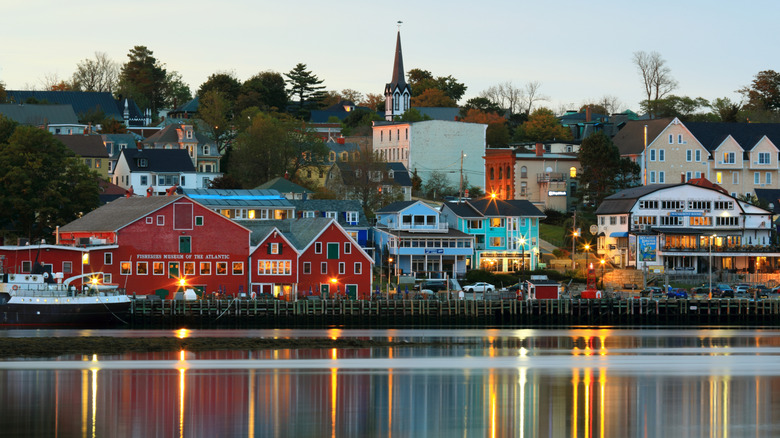
Little Lunenburg, population 27,000, lies on the banks of the North Atlantic in the province of Nova Scotia. The UNESCO World Heritage Convention calls Old Town Lunenburg, established in 1753, "the best surviving example of a planned British colonial settlement in North America."
The quaint community of Lunenburg is a colorful, chic coastal town with historic buildings that are hard to miss. Laid out like many British cities of the day, Lunenburg was first populated by largely German-speaking Europeans. Gazing at the prismatic seaside structures still present here today, they could be from any fishing village in the UK or the Netherlands instead of the far eastern banks of Nova Scotia.
Trois-Rivières, Quebec
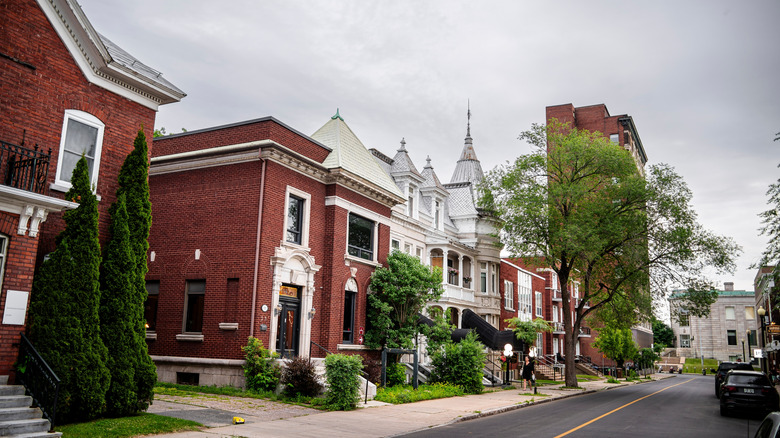
Not quite as old as Quebec City, its neighbor to the northeast, Trois-Rivières definitely retains the charm imparted by the French settlers who founded the town in 1634. It's an ideal place to visit for charming Paris vibes at a lower cost.
Amble down the historic Rue des Ursulines, tour the Manoir Boucher de Niverville, one of the oldest homes in Canada with foundations from 1668, or visit the Galerie d'art du Parc, built in 1723, now an art center that has served as military barracks, a school, and even a rectory over the centuries.