
This Urban Gem In North America Was Just Named The World's First-Ever UNESCO Biosphere Reserve City
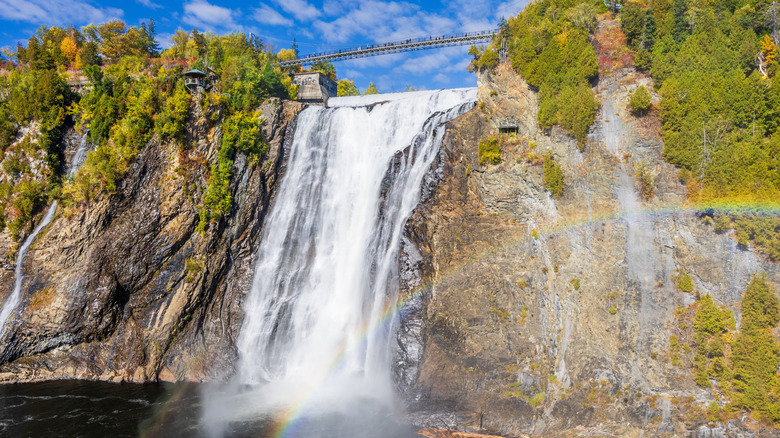
North America boasts dozens of UNESCO biosphere reserves, a prestigious designation this United Nations organization has bestowed on the world's most pristinely preserved landscapes since 1976. Mexico's biosphere reserves include mountain scenery across El Vizcaino in the Baja Peninsula and nine stunning bays in the Oaxacan town of Huatulco, while America's biosphere reserves stretch from sublime Hawaii Volcanoes National Park to the Virginia Coast Biosphere Reserve. But it's the continent's northernmost neighbor, Canada, that recently scored a major UNESCO first. Quebec City, an urban gem famous for its historic old center, delicious gastronomy, and majestic natural surroundings, just became the world's first-ever biosphere reserve city.
UNESCO doled out this honor on World Environment Day, recognizing Quebec City as one of 14 new biosphere reserves, celebrated for their "outstanding ecological value." Four hundred-year-old Quebec City, the "birthplace of French North America," is perched on the banks of the Saint Lawrence River, the first urban center in UNESCO history to be recognized as a place where biodiversity, sustainability, and conservation co-exist in harmony. "Quebec City's designation as a UNESCO Biosphere Reserve recognizes our ability to balance biodiversity protection, community well-being, and sustainable economic development," said Simon Marinier via Canada.com, a director of business development at Destination Quebec Cité. "More importantly, it positions Québec as a model of urban sustainability — a very rare situation on a global scale."
Quebec City joins UNESCO's expansive list of 797 biosphere reserves dotted across 145 countries. Canada now counts 20 biosphere reserves, including Quebec City, with the others scattered across British Columbia, Ontario, Northern Canada, and the Atlantic region.
Why Quebec City is now a UNESCO Biosphere Reserve
Quebec City is a vibrant metropolis teeming with things to do, and it simultaneously boasts culture and vibes that channel Paris, so it's no stranger to UNESCO accolades. In fact, it's now the first and only city in the Americas with three UNESCO designations. It was named a UNESCO Creative City of Literature in 2017, and the Historic District of Old Quebec was crowned a UNESCO World Heritage Site in 1985. Quebec City's latest UNESCO designation as a biosphere reserve covers its 218 square miles of striking landscape, where 635,000 residents co-exist with over 500 species of wildlife.
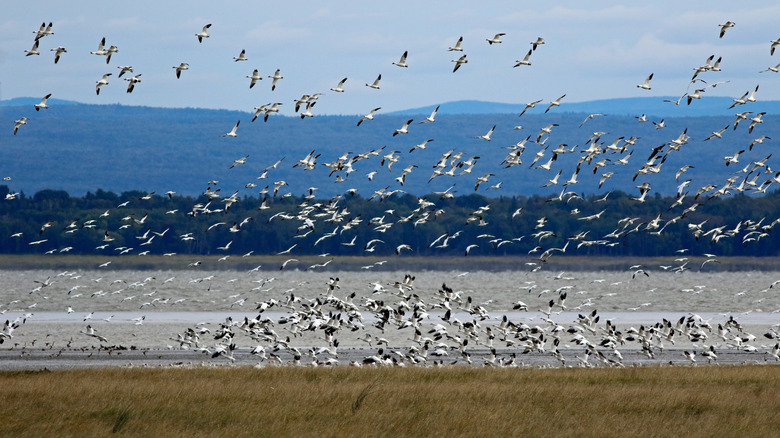
UNESCO's biosphere reserve designation was awarded in celebration of Quebec City's extraordinary breadth of lakes, wetlands, waterways, woodlands, and the array of biodiversity found among its four rivers, including the Saint Lawrence. In its decision, UNESCO praised the 743-mile-long Saint Lawrence River, Canada's most vital commercial waterway and an important hydroelectric power source, for its critical importance to the region's wildlife. Within its waters reside an incredible diversity of marine life, from dainty sea stars and northern shrimp to endangered beluga whales and Greenland sharks. The Saint Lawrence is also a crucial habitat for migratory birds. In spring and autumn, tens of thousands of migrating snow geese gather along the river at Cap Tourmente National Wildlife Area, just 40 minutes from downtown. This unspoiled, riverside wilderness where sweeping mountains, coastal marshes, and lowlands intersect is home to a combined 1,000 species of birds, mammals, and plants.
Also included in Quebec City's UNESCO biosphere reserve designation is the Wendake Huron-Wendat community, home to 2,000 Indigenous residents located just 15 minutes from Quebec City. The province of Quebec is home to four additional biosphere reserves, including the Charlevoix region, a riverside destination brimming with art, nature, and gastronomy.