
10 Secret Spots In Buffalo, New York That Most Tourists Miss
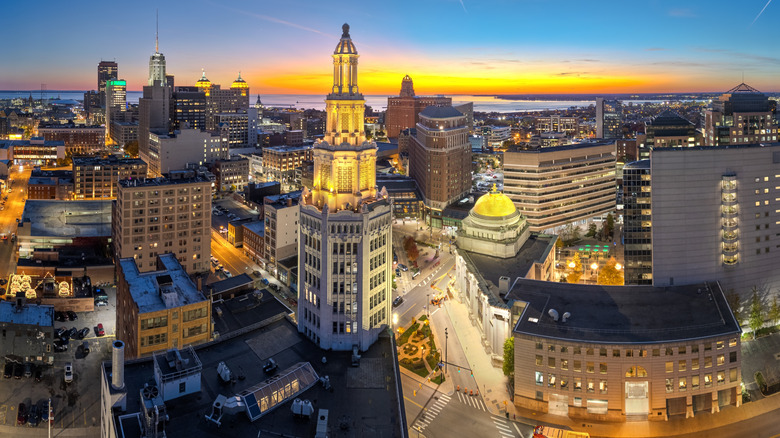
Quick, put together a to-do list for Buffalo, New York. Scribble it out on the back of a napkin if you have to. What's there? You've likely got Niagara Falls at the top of the list (obviously). You'll probably take a stroll on the city's historic waterfront too. The city's Botanical Gardens also tend to draw a crowd. Throw in a game from one of the city's local sports franchises, depending on the season. But what if it isn't your first visit to the Queen City, and you want to see what most tourists miss the first time around?
Buffalo is an underrated city with a gorgeous waterfront, but if you've seen the Falls and checked out the Gardens, you need to dig a little deeper. The city once thrived as an industrial and shipping hub, with railroads shuttling goods while the steel and grain industries fueled an economic boom. This once-thriving powerhouse is being reshaped and revitalized, and many of Buffalo's hidden gems are tied to this past, from repurposed industrial sites to grand landmarks that have found new life.
With a bit of curiosity and a touch of serendipity, travelers can stumble upon a car museum, a historic psychiatric hospital, or a landmark cemetery. Some of the destinations showcase a different side of Buffalo, from conservationist efforts to relatively untouched villages. You only need a willingness to meander and, in some instances, a car, to see Buffalo's secrets.
Tifft Nature Preserve
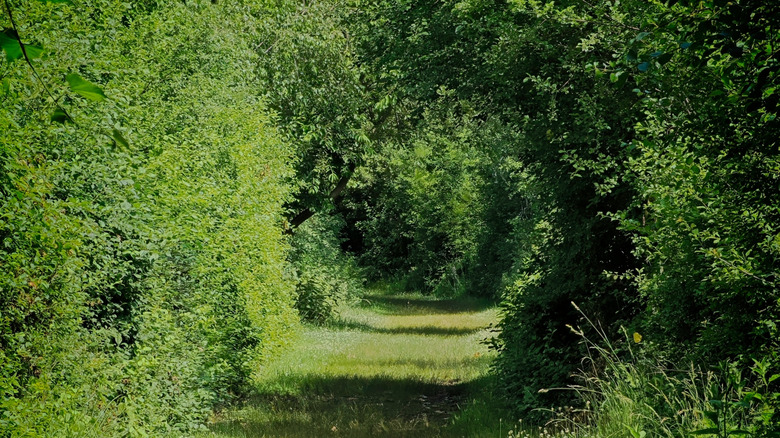
A 264-acre chunk of restored nature may be the most unlikely destination you'd expect in a former industrial city. All the more reason to visit the Tifft Nature Preserve. The conservation area creates a bucolic escape along Buffalo's outer harbor. Originally destined to become a landfill, locals intervened and created a mix of ponds, woodlands, and marshes, contrasting with the railroads and harbor that defined the city.
The preserve is free to all visitors and features several ponds and a lake, with designated fishing areas for anglers. The National Audubon Society designated Tifft as an Important Bird Area, so bring binoculars.
Pierce-Arrow Museum
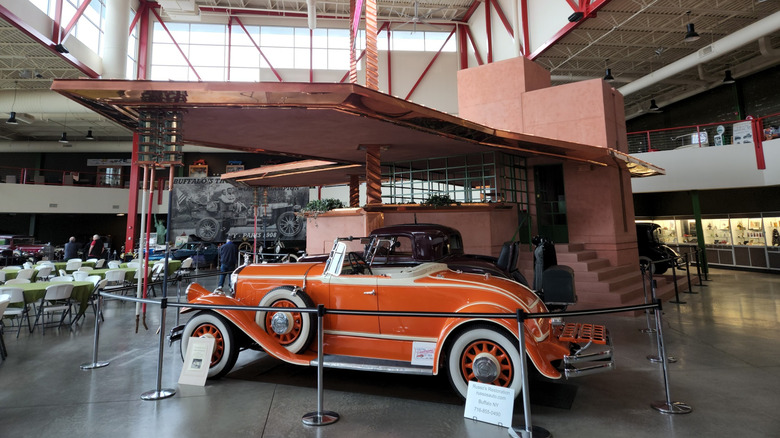
If you want a true slice of the Rust Belt's heyday and Buffalo's role in it, the Pierce-Arrow Museum showcases its best work. The city was once home to the luxury car company Pierce-Arrow, which went from making bird cages to extravagant automobiles. The museum houses antique bicycles unique to the region, with the Frank Lloyd Wright-designed Buffalo Filling Station at its heart, its copper roof and overhead gas tanks cutting a unique figure in the atrium. The collection's hodgepodge of American paraphernalia also includes one of the Jell-O company's original wagons, which distributed free samples of the iconic dessert.
Elmwood Village
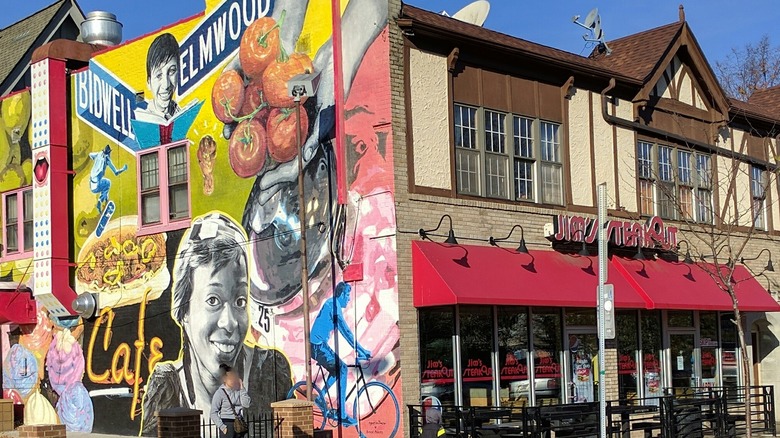
Smoke-billowing industrial cities are often balanced by cozy neighborhoods on their outskirts, the sorts of places where farmers' markets and mom-and-pop shops reign supreme. Elmwood Village fills that role for Buffalo. Its picturesque shopping district includes independent shops with artisanal goods, and local art adds a splash of character to the public spaces.
For weary travelers who've done the rounds in Buffalo's big-ticket attractions, a sojourn in Elmwood Village offers a grab bag of small-town charms. Well-rated eateries like Inizio offer a welcome departure from the all-too-familiar menus of chain restaurants, while shops like Thin Ice provide a direct connection to local artists with handmade crafts.
Silo City
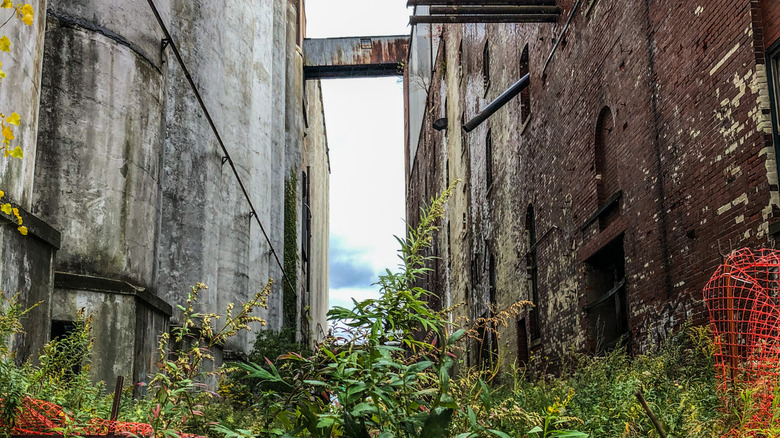
What should a city do with a defunct grain elevator hub that towers over the Buffalo River, a few hundred yards from Lake Erie, like a monument to a forgotten past? The modern economic inclination would be to knock it over and make way for modern development. Not so here. In Buffalo, they took the decidedly unconventional route of creating a nonprofit focused on repurposing the grain elevators and silos into an environmental and arts hub called Silo City. The resulting waterfront industrial neighborhood is one of New York's hottest and hippest, enjoyed by locals and passersby alike.
The Guaranty Building

Lovers of architectural history and Art Deco design naturally gravitate to Buffalo's City Hall. It's a logical destination for a first visit. For round two (or a less-obvious yet equally rewarding destination), head over to the Guaranty Building. The terracotta facade and symmetrical layout of the building simultaneously engross and inspire a date with a Lego set.
It's also a peek into history. Louis Sullivan — known as the "Father of the Skyscraper" — designed the building at the height of his career. One can find the foundations of iconic skyscrapers in the Guaranty Building's long vertical lines that pull one's vision upwards.
The Historic Colored Musicians Club and Jazz Museum
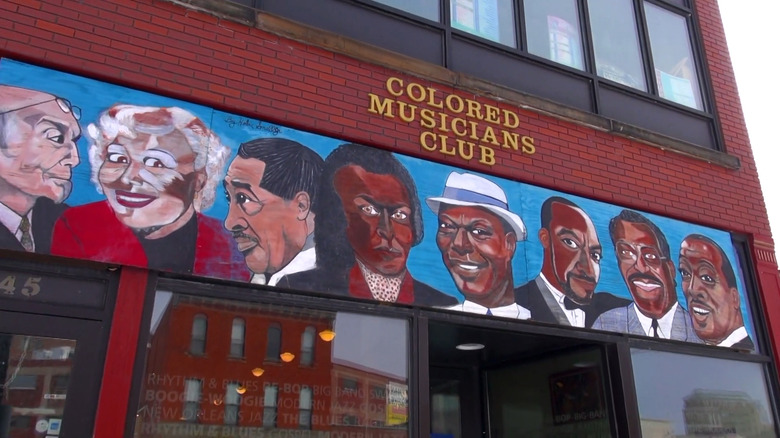
The bustle and muscle of Buffalo's industrial era had a dynamic soundtrack and a significant role in the labor movement. The Historic Colored Musicians Club and Jazz Museum celebrates the city's musical history while simultaneously keeping it alive. Distinguished as the country's only continuously operating all-Black-owned music venue, the club also played a role in the Black labor movement. Today, the music continues via frequent live shows.
"Such a wonderful experience, this museum is a hidden gem that exceeded my expectations," one visitor wrote in a review on Google. "It's fun, engaging, and a fantastic lesson in American history."
Duende at Silo City
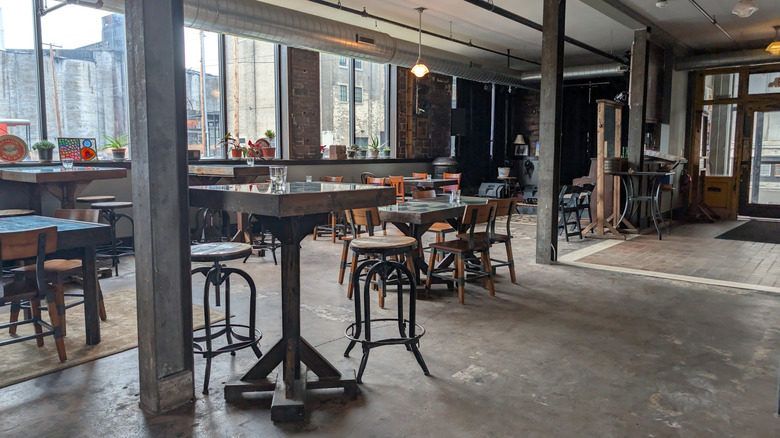
Among the repurposed grain elevators and new spaces in Silo City lies Duende, a restaurant and bar locals recommend with gusto. The eatery combines the sensibilities of a rougher industrial dive bar with the highbrow pleasures of a well-curated life. The result is a place where you can check out a live concert while sipping an Old Fashioned or beer, with a basket of fries and pulled pork sliders to satiate any hunger.
The restaurant wears its industrial roots proudly, with an interior that betrays its history as a 1940s office building while repurposing the remnants of the neighboring grain silos.
The Richardson-Olmsted Campus
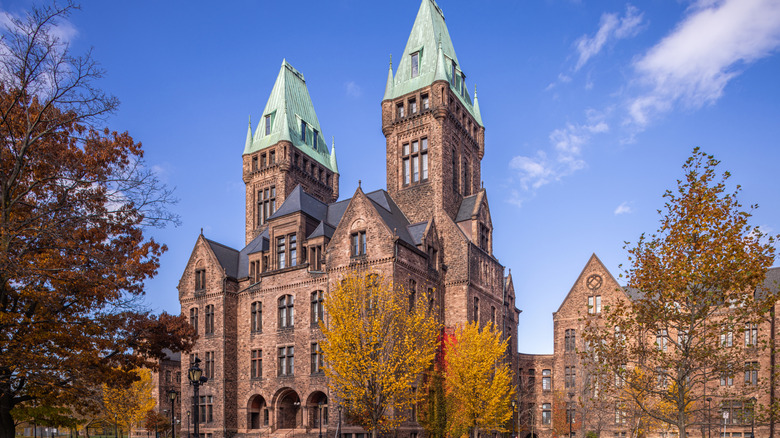
Put together a murderer's row of architectural and landscape intellectuals from the late 19th century, and give them a blank canvas to build upon. You'd get the Richardson-Olmsted Campus, a historic and visually arresting former mental hospital, now a historic landmark doubling as a hotel, conference center, and public space near the city's center.
The resulting historically preserved landmark offers unique accommodations that serve as destinations in their own right. But it also offers urban planners and architecture buffs a chance to see the masterwork of Frederick Law Olmsted and Henry Hobson Richardson.
Nine-Eleven Tavern

Every traveler has a moral obligation to dive into a destination's most famous food. Buffalo makes the task easy by slapping its name on its chicken wings. There are many worthy contenders vying for the title of Buffalo's best wings, but local opinion seems to have coalesced around the Nine-Eleven Tavern. The trick is the simplicity.
You get a plate of wings with celery and your choice of bleu cheese or ranch. Throw in a side of hand-cut fries for good measure. "There is no pretentiousness here, just great wings and proud Buffalonians," one local wrote in a review on Google.
Buffalo Heritage Carousel
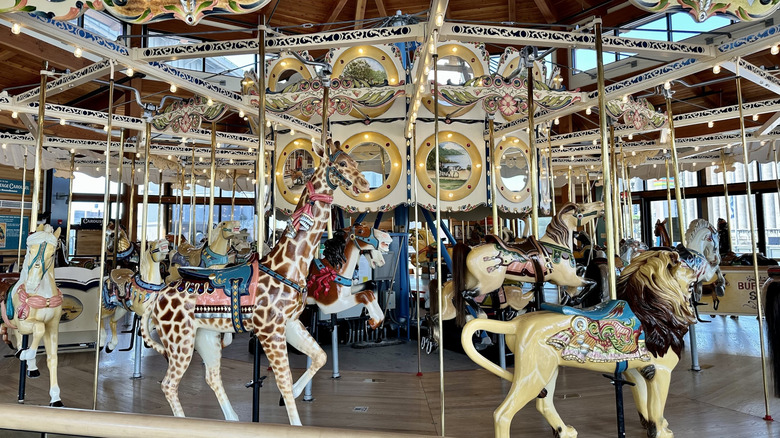
Every trip should offer a chance to giggle like a toddler and squeal with glee. Buffalo's Heritage Carousel provides that opportunity. The landmark carousel is an under-the-radar attraction that blends the past, present, and future. The visually arresting landmark runs on solar power and is operated by a nonprofit that tries to keep admission costs low.
"My wife looked like a gleeful little girl as we whirled side by side on this beautiful work of art," one traveler wrote in a review on Google. "The music of the restored Wurlitzer made the ride like a scene from an old movie."