
Forget Paris, These Gorgeous Villages Reveal France's Storybook Scenes And Vibrant Culture

Not content with having the Alps, the Riviera, and the grandeur of Paris, France has also filled its countryside with villages fit for a fairy-tale backdrop. Venture beyond the tourist-heavy Parisian boulevards, and you'll find vine-covered Alsatian hamlets and southern settlements built into cliffsides. For a true taste of a French joie de vivre, a stroll through one of these villages is essential. It's not only about stepping into a picturesque scene, but also sampling cultural traditions that can be harder to find in bigger cities: families tending vineyards, medieval lanes once frequented by poets, and market squares that still serve as community gathering places.
To be fair, there are dozens of villages across France worth visiting for travelers drawn to the slower pace of provincial life. We picked out nine that stand out for their scenery, architecture, and cultural significance. The selection process drew from a mix of the author's firsthand experience and research from French heritage sites and guides, including Petites Cités de Caractère, UNESCO, and Villes Sanctuaires. One key resource was Les Plus Beaux Villages de France ("The Most Beautiful Villages of France"), an association that promotes villages distinguished by their heritage and scenic settings. We looked for destinations set apart by historic landmarks, unique landforms, and cultural exports, from medieval castles and centuries-old pilgrimage sites to renowned local wines. For the purposes of this ranking, we considered a village to have fewer than 50,000 residents, which aligns with the European Commission's minimum population threshold for an urban center.
Bouyon
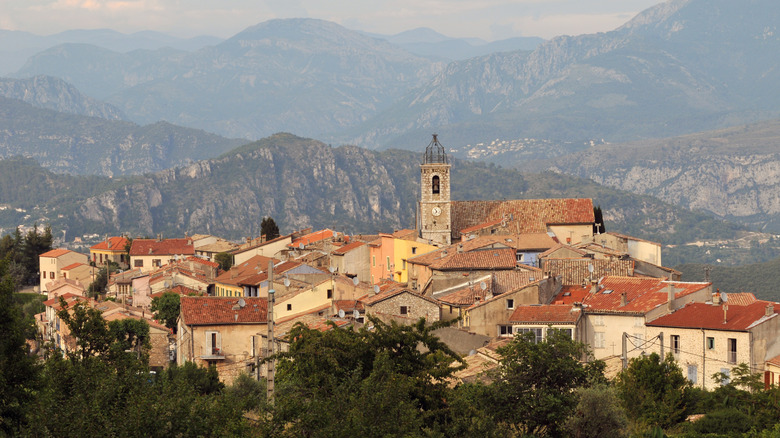
In the southeastern corner of France, Bouyon is a village surrounded by the peaks of the Préalpes d'Azur. The grandiose mountain scenery complements the village's cobbled streets, gray stone houses, and small streetside terraces outside of cafés. Bouyon is also home to several historic sites. The Church of St. Trophime (Cathédrale Saint-Trophime d'Arles) dates back to the 1300s and features a Romanesque bell tower. The village's communal bread oven is still used by residents; look for the "Four Communal" inscription above it. Visit in June or August for the village fair.
Carcassonne
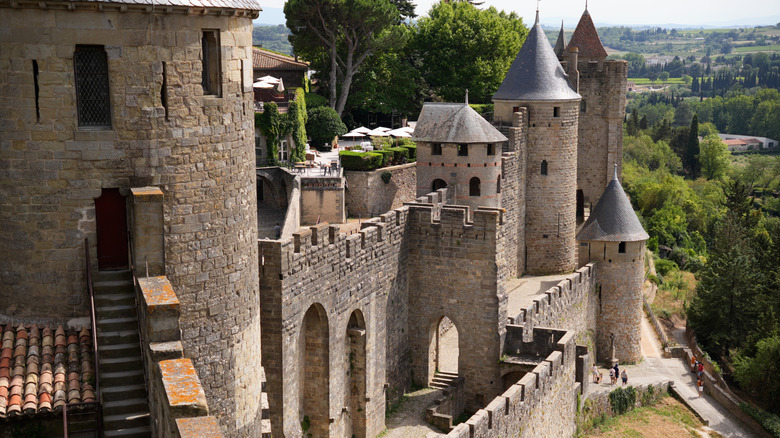
Travelers drawn to the medieval side of French history may want to start planning a sojourn to Carcassonne. Located in the authentic, little-known region of France called Languedoc, Carcassonne is enveloped by fortification walls, largely dating to the 13th century. Its 26 round stone towers, zigzagging ramparts, drawbridge, and moat bring medieval France vividly to life. You can walk inside the town's castle and ramparts by booking a guided or self-guided tour. In the medieval town are some manicured parks and gardens, too, including the Calvary Garden (Jardin du Calvaire) planted against a bastion.
Chevreuse
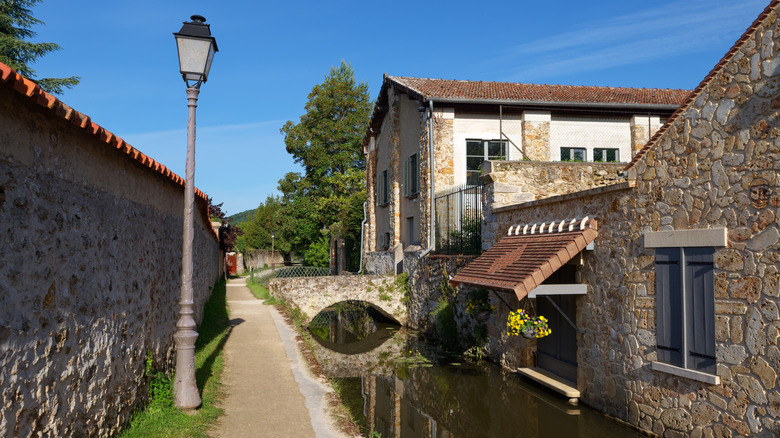
If you happen to be visiting Paris, you can still experience quintessential French countryside on a day trip to Chevreuse, a village roughly 1.5 hours away by train and bus. It sits within the broader Chevreuse Valley, a forested area full of hiking trails that weave between villages and wilderness. In Chevreuse itself, you'll find a scene of canals, bridges, and stone houses, all sitting under the perch of the medieval Château de la Madeleine. Stop by Les Bannieres for a crêpe before exploring the village.
Conques
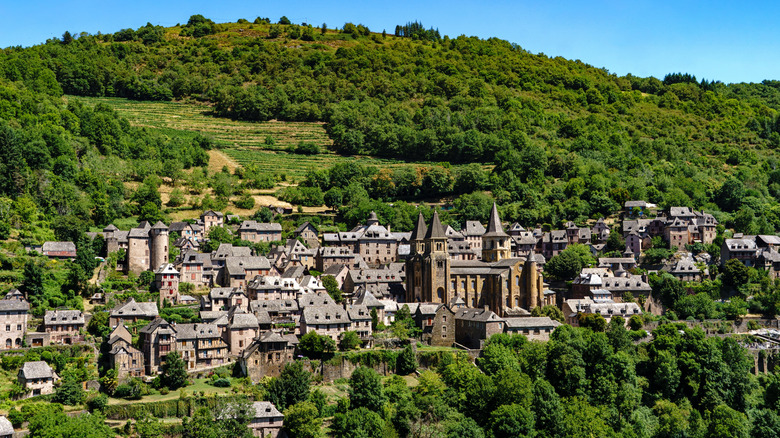
Located in Occitania, France's sunniest region best known for its Mediterranean coast, Conques proves that there are places worth exploring further inland in the region. This remarkably preserved medieval village features stone houses tucked into the slopes of the Lot Valley and an abbey church that forms part of the UNESCO-listed Routes of Santiago de Compostela. The village's 14th-century bridge spans the Dourdou River. For sweeping views, climb about 1 mile up to the Bancarel viewpoint overlooking the village.
Illiers-Combray
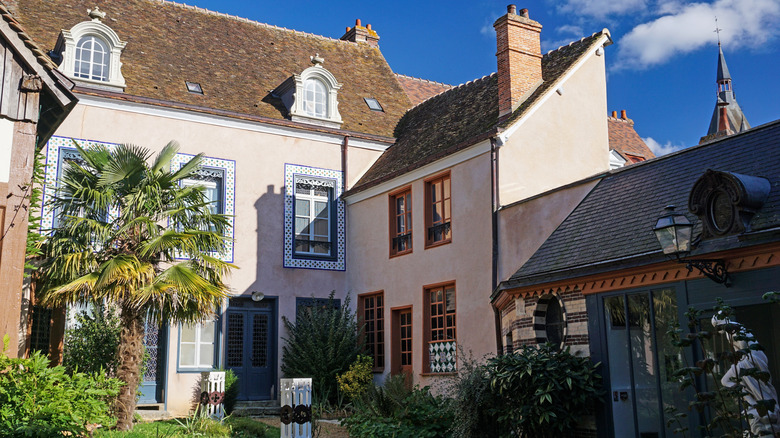
The rather literary village of Illiers-Combray is another worthwhile day trip from Paris. After a roughly two-hour train journey, you'll arrive at the village's charming red-shuttered station, which has been featured by Accidentally Wes Anderson. Don't be surprised by the name "Proust" showing up around the village; it was the home of writer Marcel Proust, who fictionalized it as "Combray" in his novel "In Search of Lost Time." It was later adopted by the village as its hyphenated second name. Stop by the Marcel Proust Museum to learn more about this time, or relax in the elegant Marcel Proust Garden (Pré Catelan Garden).
Riquewihr
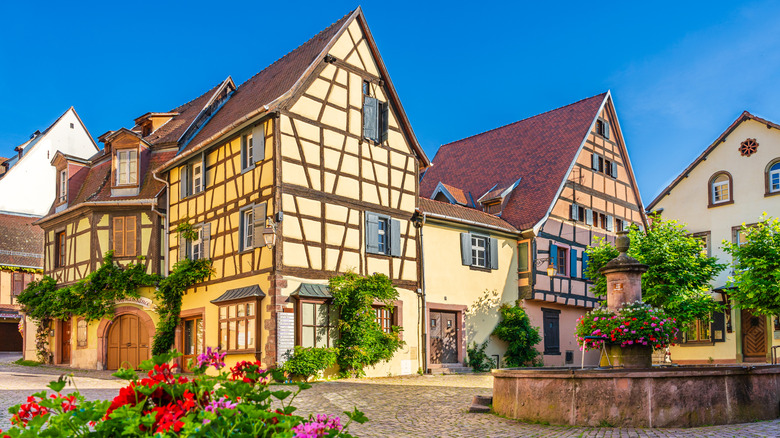
At France's eastern border, the Alsace region is known for its storybook architecture, vineyards, and folk traditions. Riquewihr exhibits some of the best that Alsatian villages have to offer. The cobbled quaint town even helped inspire "Beauty and the Beast," complete with colorful half-timbered houses, a bell tower (the iconic Dolder Belfry), and a market square with a fountain. Beyond the classically Alsatian village core, Riquewihr is also a stop on the Grand Crus Wine Trail with vineyards spread out around it. Check out the well-reviewed Domaine de la Tour Blanche for wine cellar tastings.
Rocamadour
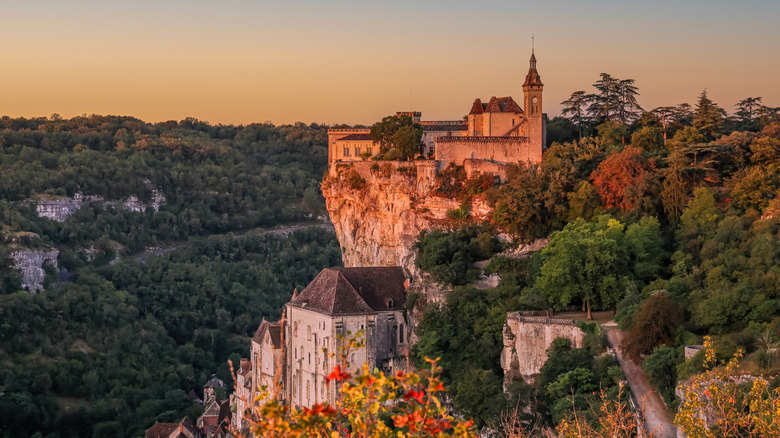
There's no denying that Rocamadour is one of France's most distinctive villages: a cluster of medieval buildings clinging to the side of the Alzou Canyon. Historically a stop along the Way of St. James pilgrimage route, Rocamadour flourished in the 12th century as a religious sanctuary with numerous chapels and a crypt. Today, visitors can climb the village's famous 216 steps to reach the stone chapels or take a lift. You can walk along the castle ramparts of Chateau de Rocamadour for views over the Alzou Valley, or slip into the Grotte Préhistorique des Merveilles to observe prehistoric cave paintings.
Saint-Paul-de-Vence
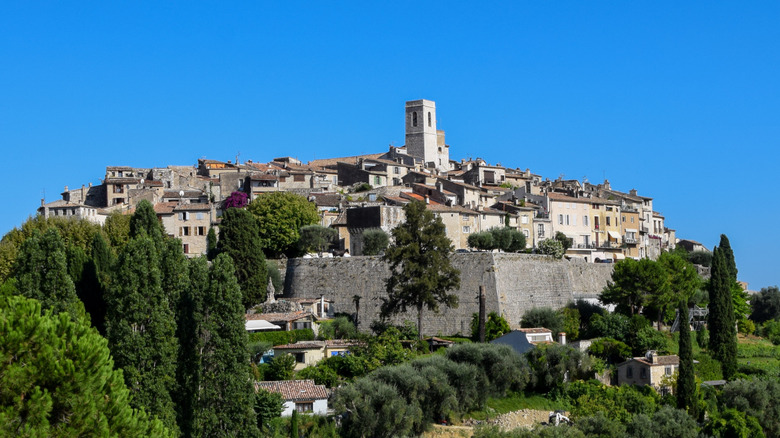
The French Riviera isn't just the glamor of Cannes or Nice. Between those two cities lies Saint-Paul-de-Vence, a hilltop village known for its art scene, pétanque games in Place de Gaulle, and views over olive groves. The village was home to artist Marc Chagall for nearly two decades until his death in 1985, and reproductions of his works are printed on panels along the Chemin de Sainte-Claire. Visitors can also explore the renowned Maeght Foundation or dine at the top-rated La Colombe d'Or, a restaurant long associated with artists and writers, including Chagall himself.
Yvoire
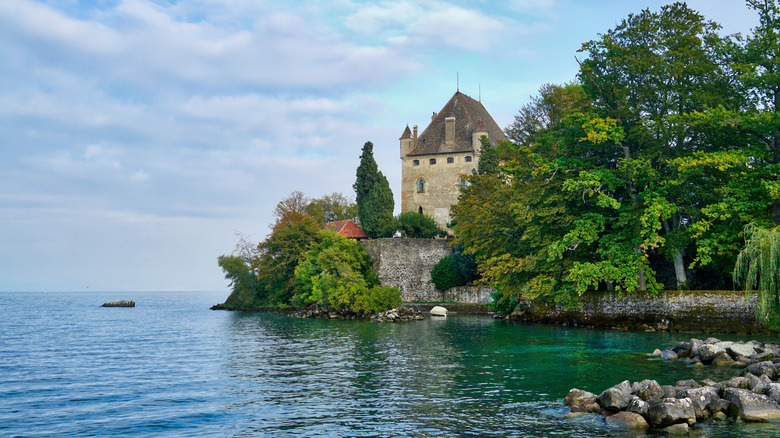
Where Paris has the Seine and Cannes has the Mediterranean, Yvoire has Lake Geneva. The fairytale lakeside village near Geneva is known for its pastel homes overlooking the water. The local tour operator Helionaute offers electric-powered boat rides around the lake, with 4.4 stars from Tripadvisor. On land, you can view the 14th-century Château d'Yvoire from the pier or walk under the Door of Nernier (Porte de Nernier), a vestige of the village's medieval fortifications. Another highlight is the Garden of the Five Senses, featuring a hedge maze and fragrant flowers.