
Unique Wildlife You'd Be Lucky To Encounter During A Trip To New England
Think of New England, and you'll probably imagine vibrant cities, fall foliage, and quaint towns. What you may not know about this part of the country is just how much natural beauty it has for animal enthusiasts. Thanks to nutrient-rich offshore waters and heavily forested terrain, New England offers prime wildlife habitat both on land and at sea.
Out on the water, it's possible to spot seabirds, whale spouts, or even a thrilling glimpse of a shark fin. Meanwhile, some of North America's most sought-after land mammals reside in New England's forests. The nine unique species below aren't all commonly associated with New England, but each one can be found in this relatively compact region, showcasing the surprising natural abundance of an area some may know more for history and culture than for wilderness. Encountering any of these well-known and often charismatic species would be a sighting worth writing home about.
Moose
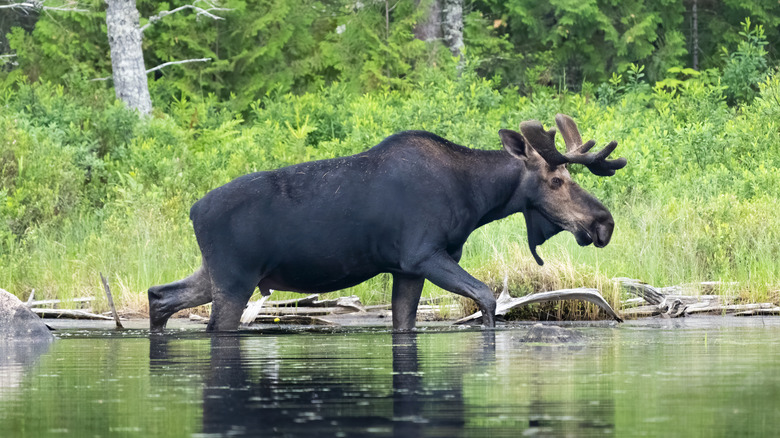
A full-grown bull moose can measure over 6 feet tall at the shoulder and weigh 1,400 pounds, and they're known as a road hazard to New England locals. Although these animals pose a huge (and mutual) threat to motorists in northern New England, safer sightings of these elusive giants are entirely possible. Though moose are found in several New England states, Maine's northern forests, which host the largest moose population in the continental U.S., are your best bet. Try the town of Rockwood, where moose-viewing cruises promise great odds of a sighting.
American black bear
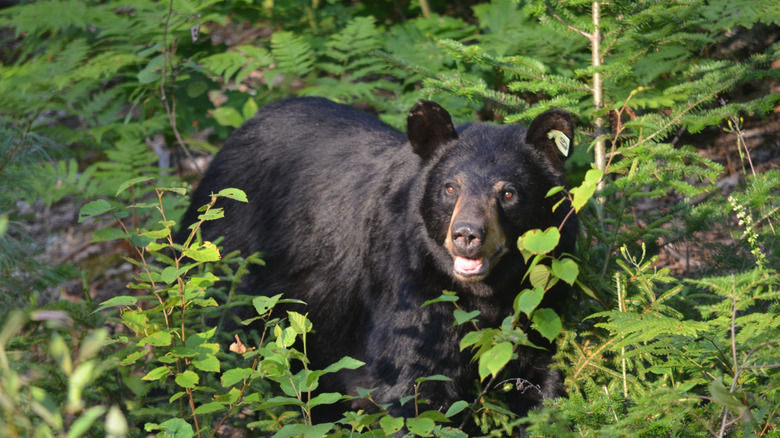
American black bears are found in at least 37 U.S. states, including every state in New England. If your heart is set on seeing a bear, you might want to head to New Hampshire. The Green Hills Preserve in the town of North Conway might provide your best chance to see a black bear in New England, and sightings are also frequent in the state's White Mountains. That said, don't try to get too close: black bears can be dangerous. Take proper safety precautions such as securing food before going anywhere where bear sightings are common.
Atlantic puffin
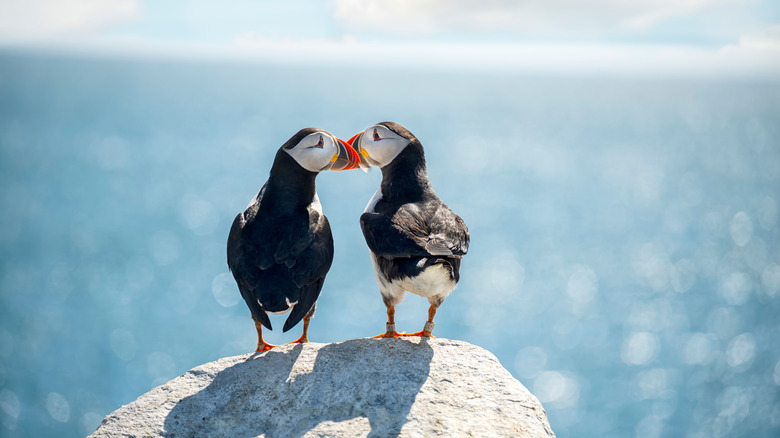
It's hard to imagine a bird more charming than a puffin, and northern Maine is an Atlantic puffin hotspot come summertime. Their range in the U.S. is confined to several rocky islands along the Maine coast, but it makes them easy to find. Head to a coastal town like Rockland or Bar Harbor to take a puffin-viewing cruise. Eastern Egg Rock and other rugged islands where puffins nest are only visible from a boat, and these cruises offer near-guaranteed sightings in the summer months.
Harbor porpoise
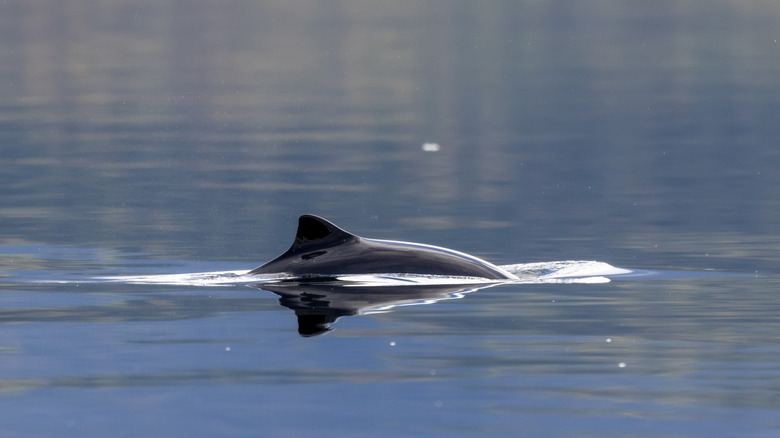
Head out to sea in New England, and you're pretty likely to spot one of the area's cutest offshore residents. Unlike some of their cousins in the dolphin family, harbor porpoises are skittish and travel in small groups, so you won't see huge pods riding the wake of your boat like some dolphins do. Still, they're common in coastal waters and often seen on whale-watching trips throughout New England. If your itinerary takes you to the ocean, keep your eyes peeled, and you might find New England's smallest cetacean without even trying.
Bobcat
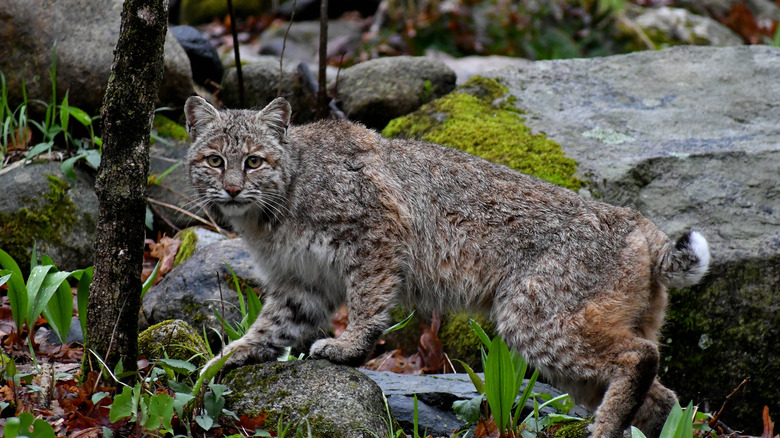
New England's only wildcat is on the upswing. The bobcat is a superbly adaptable feline that's taken to urbanization well, and numbers are swelling across New England. They're regularly seen venturing into more developed areas, with some residents reporting bobcat sightings on their property. Even so, they are shy and fearful of humans, so it may still take work to find one. Your odds are better than average in Connecticut, where bobcats frequent brushy habitats of the suburbs and towns north of Hartford and beyond.
Gray seal
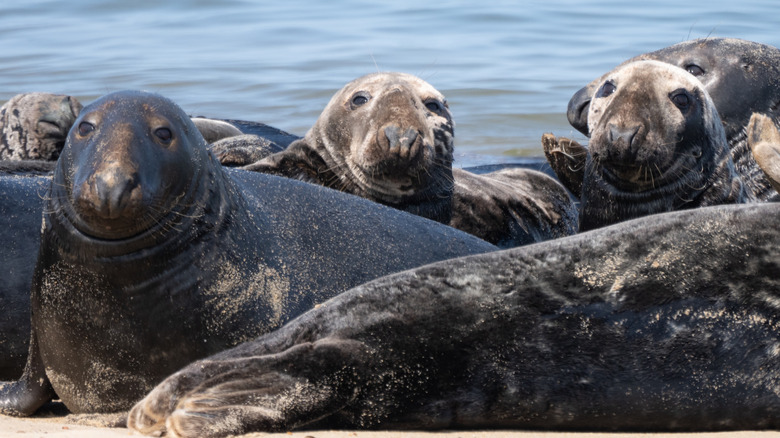
These days, beachgoers in New England can't go far without encountering a seal. The rocky coasts of Massachusetts, Maine, and Rhode Island are favorite spots for gray seals, affectionately called "horseheads" for the distinctive shape of their noses. They're beloved by tourists (and sharks), and loathed by local fishermen whose catches frequently fall victim to the booming migratory seal population. With the regional seal community numbering over 28,000 individuals, this might be New England's easiest marine critter to spot. Not bad for a species that nearly went extinct in this region in the 19th century.
Bald eagle
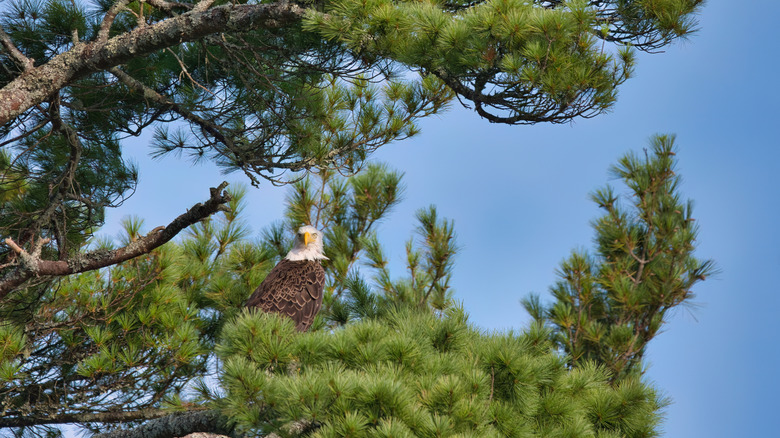
It seems only fitting that a region so strongly associated with the founding of the United States would also be a place to see a bald eagle, the nation's most symbolic animal. Popular viewing spots include the Lower Connecticut River, where the local Audubon Society offers guided birding tours, the Wilder Dam in Vermont, and Acadia National Park in Maine, where bald eagles can be seen against the postcard-perfect scenery of New England's only national park. Bald eagles are most regularly spotted in winter, when New England's coziest villages are perfect for a snowy escape.
Humpback whale
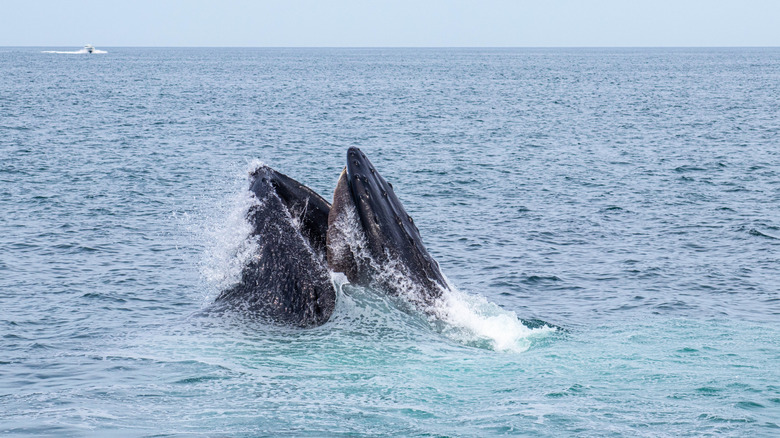
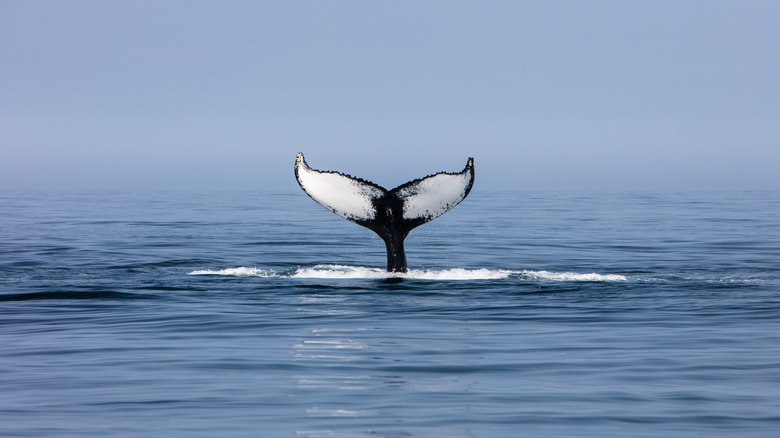
Massachusetts' Stellwagen Bank is one of the world's best places to go whale-watching, and while you might spot several species of whales on a boat ride out of Cape Cod, perhaps none are more charismatic than the migratory humpback whales that spend their summers here. Take a whale-watching trip during the summer months, and you're likely to catch sight of one feeding or breaching in the food-rich waters of the Stellwagen Bank National Marine Sanctuary, along with other whales, dolphins, and porpoises.
Great white shark
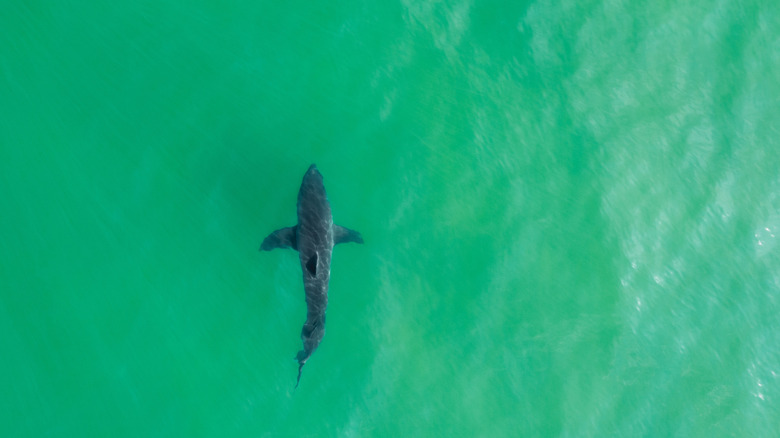
The Massachusetts-set shark blockbuster "Jaws" may not get much right about sharks, but one key plot point is absolutely true: Great white sharks are indeed found off Cape Cod, where the abundant gray seal population makes an easy food source. Tour operators have made a business of this fact, taking visitors out to see great white sharks from a boat or in a shark cage. Whether you're scared stiff of sharks or the prospect of a close encounter thrills you, these great white experiences are easily among the most unforgettable animal encounters in New England.