
Europe's Underrated Region Called 'The Czech Tuscany' Has Award-Winning Wine And A Vibrant Culture
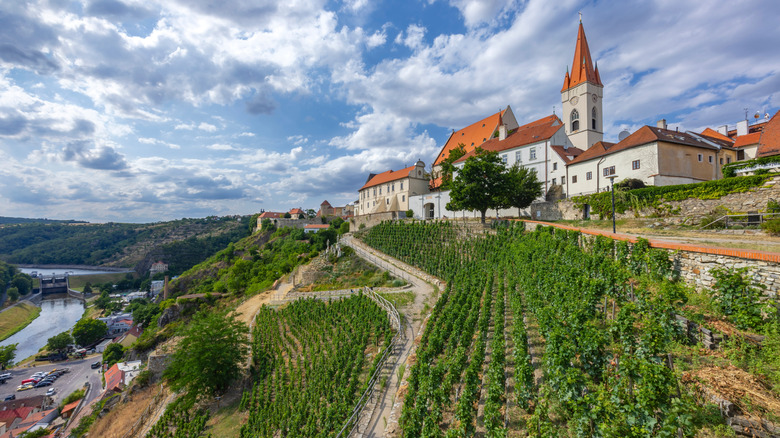
You would swear that these rolling, green hills are in Tuscany. The vineyards and whitewashed houses look like they're straight out of this iconic region of Italy, as do the winding roads. While it might remind you of the Tuscan countryside, this is actually Moravia, a region in the Czech Republic that's several hundred miles to the north, located in landlocked Eastern Europe.
Moravia is just as beautiful as Tuscany, with many of the same attractions: undulating greenery, fertile terroir for growing grapes, and more castles and chateaus than you could count. Plenty of travelers are acquainted with Prague, the graceful European capital, but the rest of the Czech Republic is far less known to outsiders. This historic region of Moravia hasn't attracted nearly the same attention as the nation's biggest city — or Tuscany, for that matter — and for independent travelers in search of wine and culture, that obscurity is a major draw.
Moravia has grown in popularity in recent years, which is a boon for the local economy. Yet travel in the Czech Republic remains a bargain for many American and Western European visitors, and Moravia attracts only a fraction of Italy's high-season crowds. The region's wine country still feels fresh and undiscovered to many oenophiles, and history buffs have entire towns and cities to explore, most of which they've likely never heard of.
Culture and vineyards in Moravia
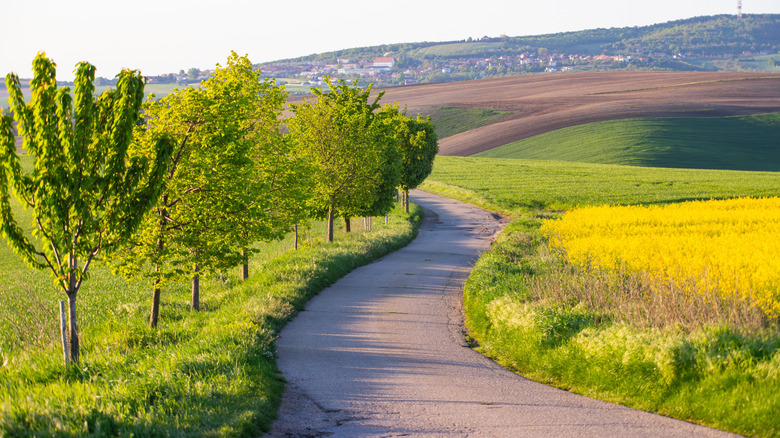
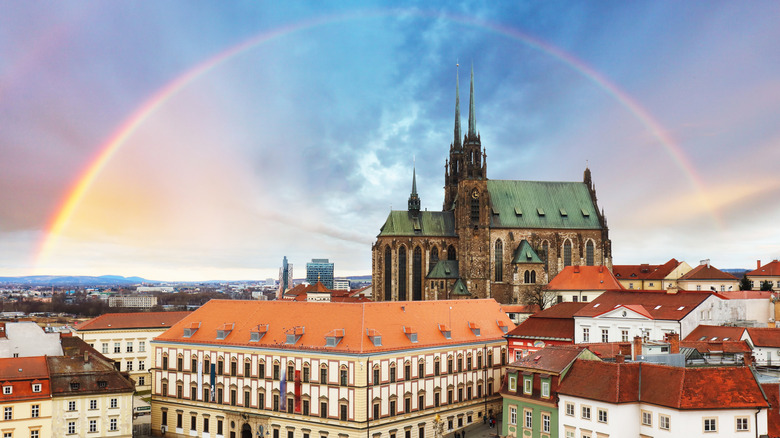
For many first-time visitors, Moravia feels like Eastern Europe at its best. Brno, Czechia's second-largest city, is home to 380,000 residents, where streetcars trundle past rows of stately, Austrian-style houses and the Gothic stonework of the Cathedral of St. Peter and Paul rises commandingly over orange rooftops. Among Czech speakers, the Moravian dialect sounds very distinct, and the people are widely regarded as warmer than those in the western part of the country. Then there's the countryside, whose rippling fields and old-school windmills look like a succession of postcards.
The real pride of Moravia is its wine country. The Czech Republic has more than 1,200 wineries in all, 96 percent of which are located in this region. The industry took a beating during Czechoslovakia's years behind the Iron Curtain, but today Moravia buzzes with wine cellars and tasting rooms. You could rent a car and drive yourself from one vintner to the next, as these winding motorways make for scenic road trips, or you could book an established itinerary through Wine Tours Moravia. Specific varietals, including the region's Riesling and Welschriesling, have won global competitions. For example, Kolby Winery, located in Moravia, won three medals at the 2025 Decanter World Wine Awards. You could easily add Moravia to a list of the world's most underrated wine regions.
If the name "Moravia" rings a bell, it may be because of the Moravian Church, which was founded by the theologian Jan Hus in the 14th century and spread to the New World several hundred years later. Many collectors seek out the distinctive style of Moravian artwork, and the church is especially active in the Caribbean. But the original region is actually much older and more impressive than that: "Great Moravia" was an empire that once sprawled across modern Slovakia, Poland, and Hungary. Moravia shrank considerably after the 900s, but its distinctive personality remains intact.
Getting around Moravia and where to stay
Moravian cities are well connected with passenger trains, as one would expect in this part of Europe. For smaller destinations, the Czech Republic is also served by FlixBus routes. That said, Moravia is famous for its countryside, and driving is one of the best ways to explore its farmland and villages. U.S. travelers should procure an International Driving Permit before renting a car, one of the things Americans need in order to rent a car in Europe.
You'll find a wide range of hotels, hostels, and inns across Moravia, especially in the larger towns. The historic city of Olomouc — described as the "Crown Jewel of Moravia" — has lodging with a wide variety of price ranges. A stay in Olomouc or Brno puts you right in the middle of Moravia's wine region, even if you have to take a taxi to these rural hotspots.
Travelers in search of luxury can even book rooms in castles and mansions, which will secure plenty of bragging rights back home. A more down-to-earth experience is staying in a "chata," or "rustic cottage". These simple country homes emerged in the late 1800s and surged in popularity during Czechoslovakia's Communist regime, when closely watched urbanites yearned for freedom and personal space. Thousands of chata dot the Moravian countryside, and many come with yards, decks, and views. There's no better place to enjoy a glass of Riesling.