
'The Best Thing Next To Pittsburgh' Is Pennsylvania's Wildly Underrated County With Lakes, Rail Trails, And Charming Towns
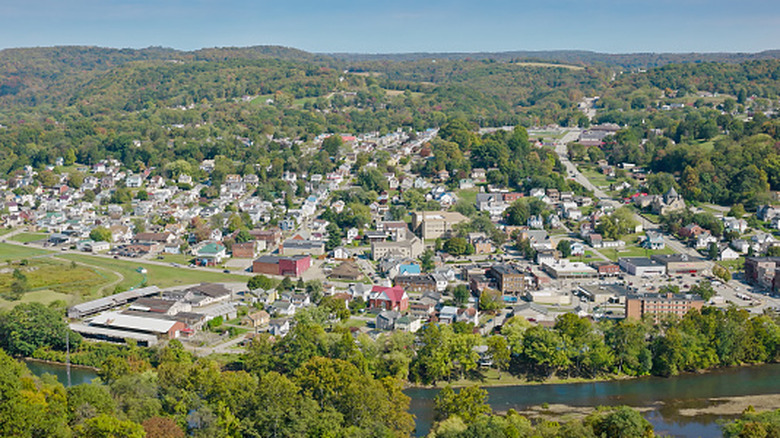
If you're not familiar with Armstrong County, you're not alone. This unheralded corner of Pennsylvania, which calls itself "the best thing next to Pittsburgh," is located in the hilly Allegheny Plateau about 50 miles northeast of Pittsburgh. Compared with neighboring Allegheny County (home to Pittsburgh), Armstrong County is sparsely populated. The county has an estimated population of about 63,700 people, spread across the 45 boroughs and townships that dot its 653 square miles. Even the county seat, the serene riverside borough of Kittanning, has only about 4,000 residents, giving it the relaxed feel of a small town rather than the bustle of a major urban hub. Between these communities are verdant fields, secluded forests, and pristine lakes that provide an ideal setting for outdoor adventures. This combination of natural landscapes and charming small towns makes Armstrong County an overlooked destination for travelers seeking a laid-back, uncrowded getaway.
Like much of Pennsylvania, Armstrong County has a long history. The area was home to the Lenape (Delaware) people, who established the town of Kit-Han-Ne on the site of present-day Kittanning in the 1730s. In fact, the county gets its name from General John Armstrong, who led the 1756 Kittanning Expedition during the French and Indian War. The region later became one of the most productive coal-producing areas in Pennsylvania and developed along the Allegheny River, an important commercial transportation route. As a result, Armstrong County played a prominent role in western Pennsylvania's iron and steel booms, and exploring that history is one reason many people visit. You can still see remains of iron furnaces, coal mines, and steel mills along the county's trails and in its townships and boroughs, many of which have been around since the early 19th century.
Lakes and trails of Armstrong County
Armstrong County has more than 200 total miles of trails to explore. The longest is the 134-mile Baker Trail, which crosses six counties, stretching from Clarion County in the north to just across the Kiskiminetas River that forms Armstrong County's southern border. There are several campsites along the Armstrong County portion, including one near Mahoning Creek Dam, about 10 miles from the idyllic Amish Country village of Smicksburg.
The Armstrong Trail rail-trail network is another standout for hikers and bikers. It stretches 52.5 miles in total, much of it tracing the Allegheny and Kiskiminetas rivers. History buffs will find interesting sites along the way, including historic locks and the remains of 19th-century structures such as the 1859 Monticello Furnace and the old Redbank coaling tower built by the Pennsylvania Railroad Company. Birders should check out the Butler Freeport Community Trail, which passes through Buffalo Creek Valley, an Audubon-designated Important Bird Area known for nesting cerulean warblers. Kayakers and canoeists can explore the Kiski-Conemaugh Water Trail, an 86-mile stretch of rivers that winds through five counties.
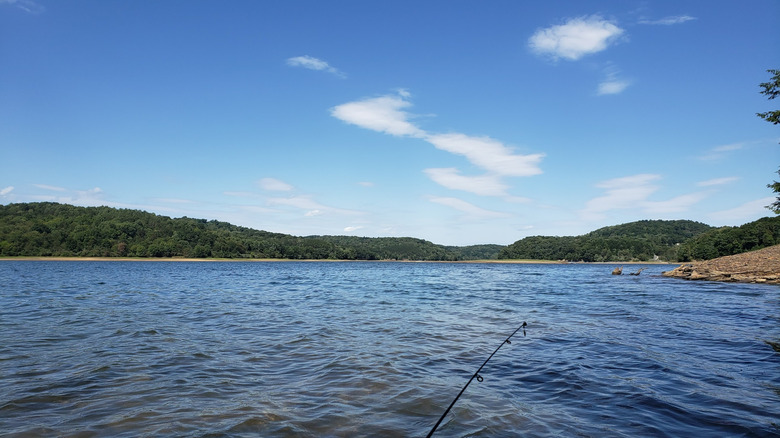
For more fun on the water, visit one of Armstrong County's lakes. Crooked Creek Lake, about 7 miles south of Kittanning, features a campground, hiking trails, a swimming area, boat launch, and fishing spots. Mahoning Creek Lake, near the under-the-radar trail-town of New Bethlehem, is a favorite among anglers, known especially for trophy-sized northern pike. The county's largest lake is the 850-acre Keystone Lake, about 20 miles east of Kittanning. It's another popular fishing destination, stocked with trout and home to walleye, perch, bass, and other species. Its northern end also provides habitat for many wetland bird species, including rare species such as the sora and the Virginia rail.
Armstrong County's charming small towns
Each of Armstrong County's communities has its own character and attractions. The borough of Apollo, along the Kiskiminetas River, is one of the county's oldest towns, dating back to 1790 and is chock-full of historic sites. Among them is Drake Log Cabin, built in 1816 and now maintained by the Apollo Area Historical Society. Remnants of the Pennsylvania Main Line Canal can also be seen along the Roaring Run Trail, just a couple of miles south of downtown.
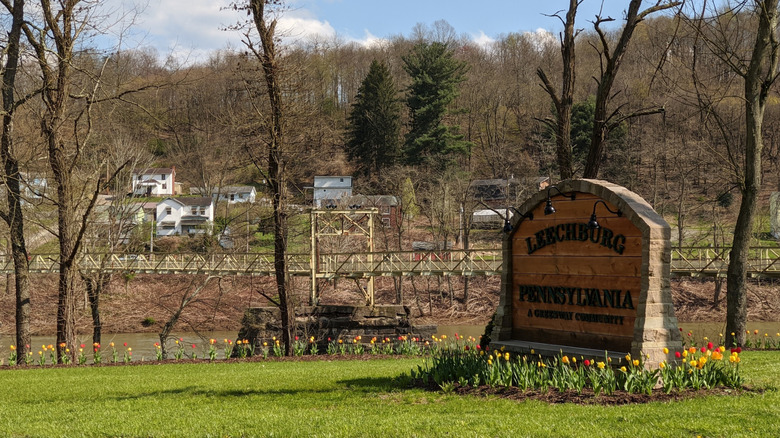
About 7 miles north of Apollo is the similarly historic borough of Leechburg, another community that owes its early growth to the canal. You can learn more about its history at the Leechburg Area Museum and Historical Society, housed in the historic home of canal engineer David Leech. During the summer, the museum is open for tours on Wednesday and Saturday afternoons. Nearby, the former canal towpath has been converted into a bike trail that runs past landmarks like the Hyde Park Swinging Bridge. For a glimpse into the county's coal history, head to Cadogan, built as a company town in 1914 and now a quiet community of about 300 people offering scenic views of the Allegheny River from Allegheny Overlook Park.
If you're looking for a more festive atmosphere, head about 4 miles north on PA 128 to Ford City, which hosts events year-round. Annual favorites include the Ford City Heritage Festival around Independence Day, Rockin' the Cliff music festival in mid-August, the Great American Ethnic Fest in September, which celebrates the town's multicultural heritage, and Fall Fest in mid-October, featuring kids' activities like trick-or-treating along with live music and food trucks. Event dates vary from year to year, so check the community calendar before visiting.