
9 Once-Thriving New England Towns That Have Transformed Into Abandoned Beauties
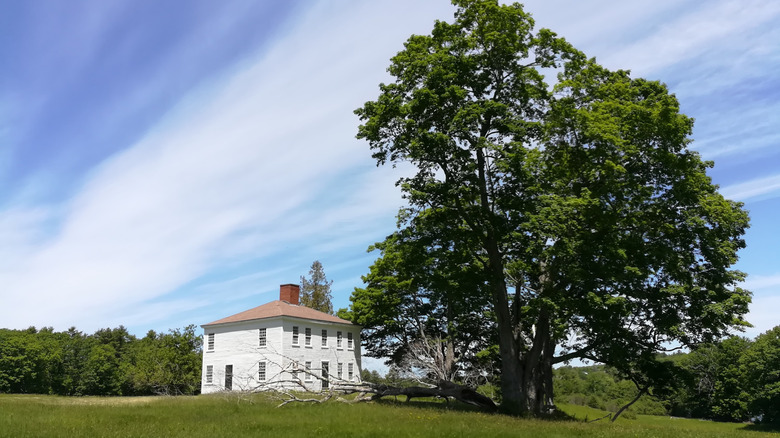
Beneath the fiery fall foliage and craggy headlands of New England, the region carries traces of centuries of history. From the unique stone walls lining New England to old lighthouses that haven't shone in a century, visitors might find there's something hauntingly beautiful about the landscapes of these Northeastern states, which are ripe for historical exploration.
New England cycled through countless eras: Colonial settlements, mill towns, industrial booms, and coastal cottage enclaves have come and gone throughout the ages. Now, some remain in the form of overgrown foundations or empty roadways that are barely noticeable unless you deliberately seek them out.
For ghost town lovers, we picked out nine abandoned towns across the New England states that you can seek out in search of lost ruins. These are towns that had at least some success in their history, but were left behind for reasons ranging from economic downturns to devastating fires. Each of these towns also offers some distinct sightseeing. Whether you explore ruins among the forest, a defunct lighthouse, or faint traces of former habitation in beautiful areas turned into nature reserves.
Perkins Township, Maine
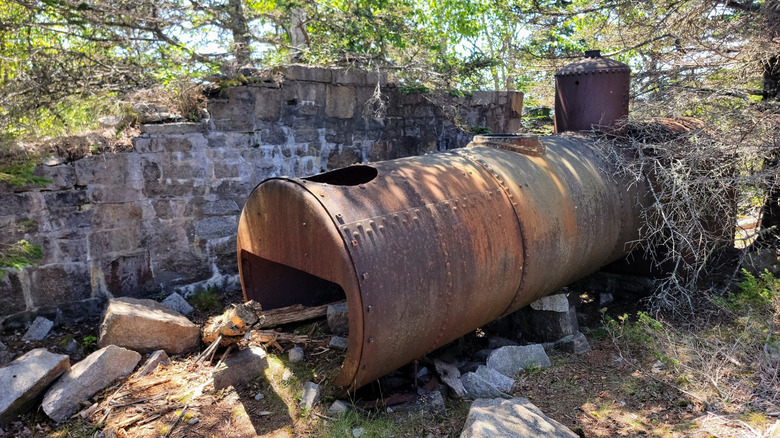
The Kennebec River cradles an island ghost town: Perkins Township. Located on Swan Island, Perkins arose in the mid-1700s with ice houses and farms, per the Maine Department of Inland Fisheries and Wildlife. Ice-cutting and shipbuilding — two of the town's main exports — became obsolete around the early 1900s, and farmland was left behind during the Great Depression, so the town was then deserted.
Today, a few structures remain dating to Colonial times, as well as the Steve Powell Wildlife Management Area. Visitors have to paddle or boat themselves to the island from Richmond.
Livermore, New Hampshire
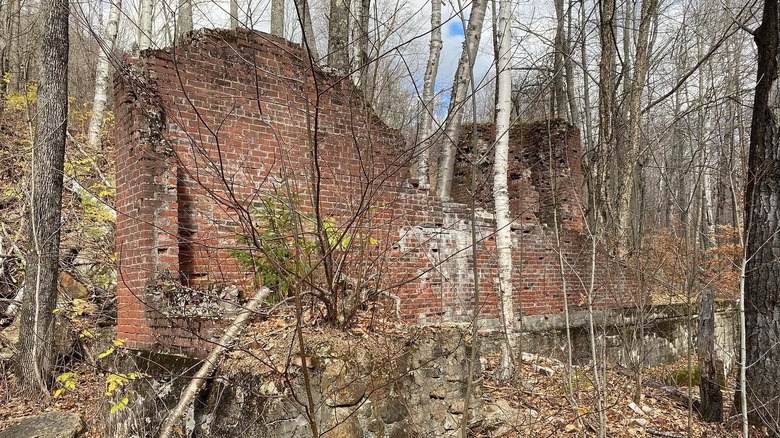
In New Hampshire's White Mountains, you'll find the abandoned relics of the once-thriving town of Livermore. In the late 1800s, the surrounding forests gave rise to the town's main industry, logging. Livermore had shops, mills, a power house, and a mansion owned by its proprietor. Many of the town's structures were destroyed by fires and a significant flood in the 1920s. Livermore then dwindled until being completely abandoned by 1950. Visitors can still see building foundations and a cast-iron safe left in a cellar by driving to the site on Sawyer River Road.
South Glastenbury, Vermont
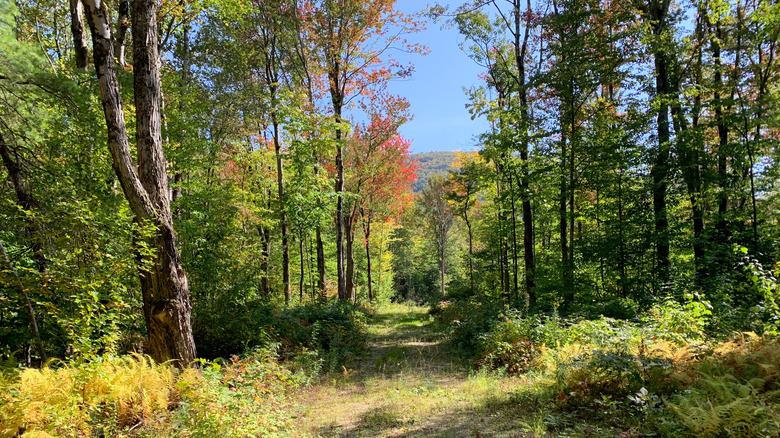
South Glastenbury was a town in southern Vermont's Green Mountain National Forest. While other ghost towns have a clear boom-and-bust story, South Glastenbury's story is riddled with odd events. It was established in the mid-1800s at the end of a lumber railroad, per the Burlington Free Press.
A combination of deforestation, flooding, a murder, and a smallpox outbreak led to the town's demise by the early 1900s. It's since been the subject of Bigfoot sightings and numerous disappearances. Not much remains, but you can see some foundations and bricks from its kilns.
Dana, Massachusetts
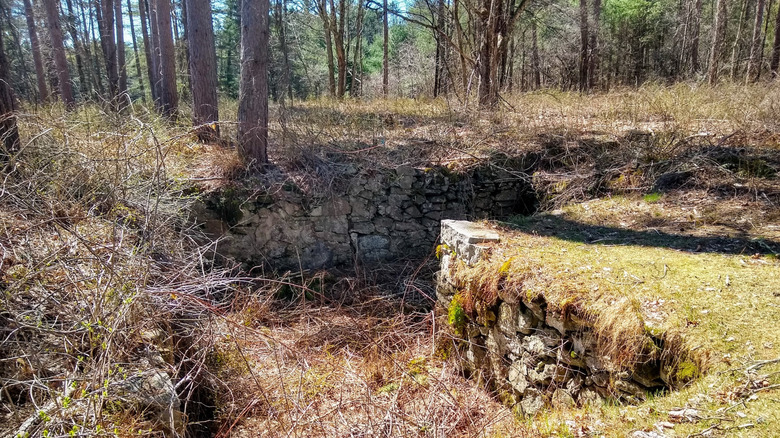
Looking out across the Quabbin Reservoir, one of America's largest unfiltered water supplies in the center of Massachusetts, you won't see ruins poking out of the water's surface. Nevertheless, the reservoir creation displaced four towns in the 1930s, including Dana, as portions of the communities were flooded to make a drinking water supply, according to NewEngland.com. Much of those towns' remains are underwater, but Dana literally stands out because its commons were above the water line, though buildings were dismantled. The remains now make up a historic landmark where you can hike to see stone foundations and cellar holes.
Dogtown, Massachusetts
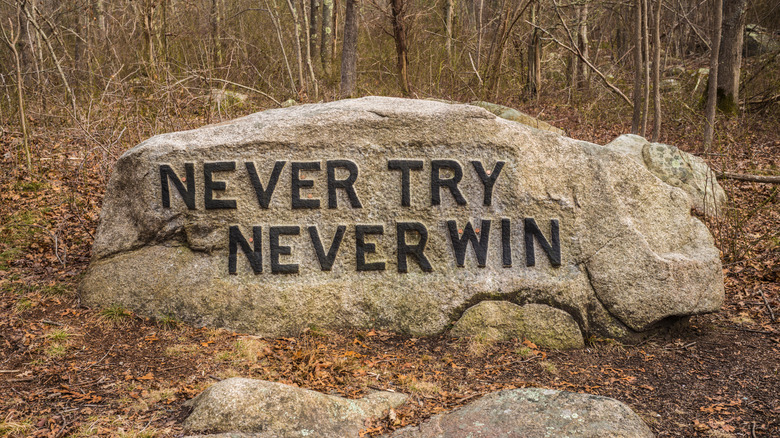
Ghost town chasers would be remiss to overlook Dogtown, which NewEngland.com calls "New England's most famous abandoned settlement." According to the magazine, the abandoned town, located in the hinterlands of Cape Ann, arose in the mid-1600s with a small village with a sawmill. However, residents moved away to pursue more lucrative fishing opportunities, and the village went bust by 1830.
You can see some stone-walled cellar holes from the village's ruins, but perhaps its most intriguing sight is the Babson Boulder Trail — a series of boulders running through the ghost town site with phrases carved into them.
Whitewash Village, Massachusetts
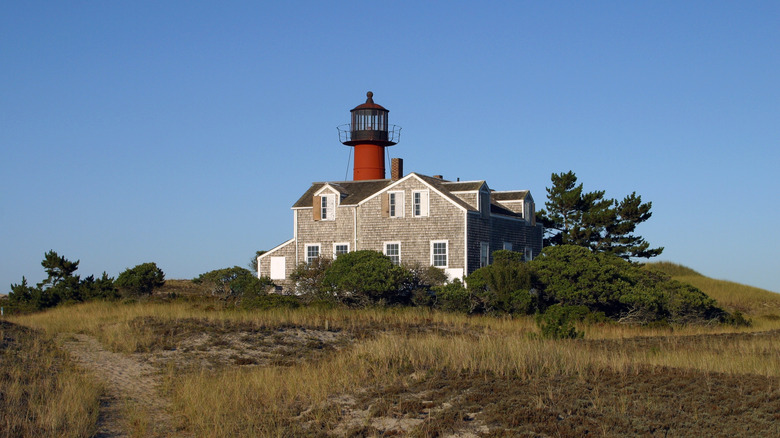
On Monomoy Island, south of Cape Cod, visitors today find a wildlife refuge with sandy beaches and gray seals. However, there was once a village on this island. Whitewash Village thrived from around 1835 to 1860. Villagers spent their days fishing in the surrounding waters and indulging in their catches at the local tavern. A storm hit the island in 1860, destroying the village's harbor and leading to its abandonment. Though the village has almost entirely vanished, one structure remains: the red, cast-iron Monomoy Lighthouse, which dates back to 1849.
Factory Hollow, Connecticut
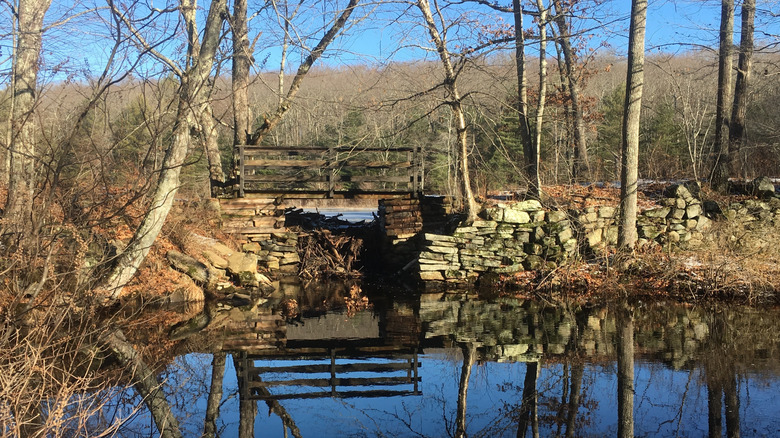
Some of Connecticut's best-preserved ghost-town ruins are easy to visit, located within Gay City State Park. Though it's referred to as Gay City today, the town's actual name was Factory Hollow, according to the Bolton Historical Society. It was settled in 1796 by a religious sect and had several successful mills in its early days. Oddly, one of the settlement's practices was drinking hard liquor during religious meetings. The town was abandoned after its factories burned down. Today, visitors can walk the trails of Gay City State Park through the remains of the abandoned town.
Pleasure Beach, Connecticut
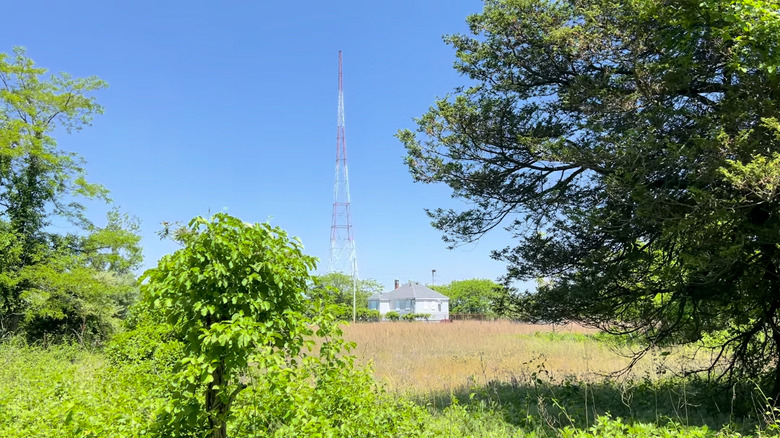
If it gives you pleasure to see abandoned homes, then you may want to pay a visit to Pleasure Beach. The beachy area at the end of a peninsula, now owned by the City of Bridgeport, was once host to a community with an amusement park. It had a dancing pavilion, roller coaster, and beer garden, though fires burned down some attractions in the mid-20th century, and the community members moved elsewhere. Some structures still stand (in a dilapidated state), including a theater and some vacation homes.
Fort Mansfield, Rhode Island
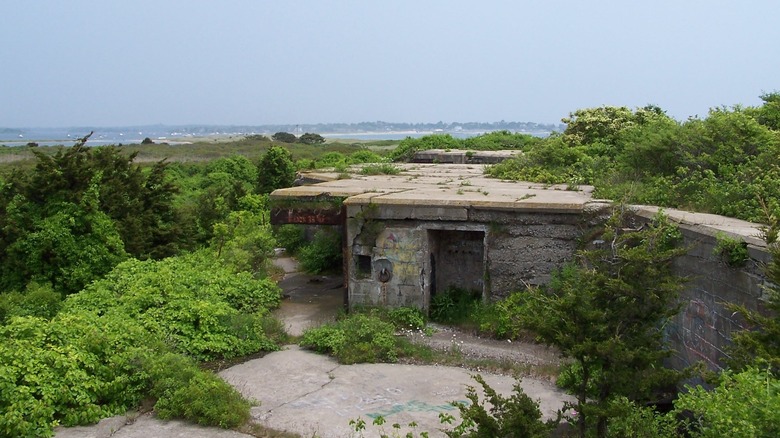
At the southwestern tip of Rhode Island, jutting into the Atlantic Ocean, is an abandoned military fort nearly swallowed by nature on Napatree Point. Fort Mansfield was established here in 1898, and after constructing batteries and housing, the military realized there were angles where the fort was vulnerable to attack from the sea, and it was abandoned. All but three structures were removed: the gun batteries, still visible among the brush. The ruins are now also part of a conservation area with hiking trails and views of Rhode Island's coastline.