
Between Tampa And Fort Myers Is Florida's Former Cattle Ranch Transformed Into A Hiking Haven With Wildlife
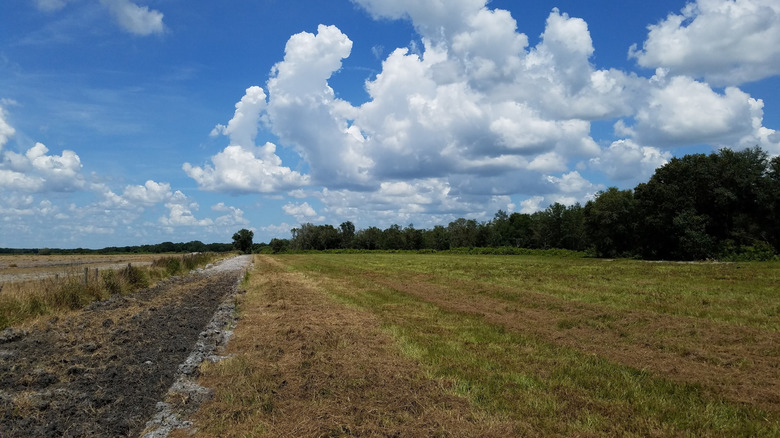
If you're looking to get away from the built-up sprawl of Tampa or Fort Myers, you can make a day trip from one of these cities to Southwest Florida's native habitats. In the pastures between Florida's coastal towns, you'll find natural creeks, prairies, and wildflowers. The Gilley Creek Tract of the Edward W. Chance Reserve combines access to some of this unspoiled terrain with a mission to protect and restore the plants and animals that live there. Once a cattle ranch, now you can come to explore its more than a dozen miles of hiking and cycling trails, while at the same time appreciating the native plants, grazers, and birds that can thrive here as a result of restoration efforts.
One Google reviewer describes the Gilley Creek Tract as a "fine slice of old Florida." That impression might come from the fact that the tract showcases the wilder, pre-commercial side of Florida, with scrubby flatwoods and palmettos giving the scenery a historic quality. It wasn't always that way, though. According to the Southwest Florida Water Management District (SFWMD), which manages the reserve, the land used to be part of Rutland Ranch, a cattle ranch with large swaths of the land dedicated to growing crops along Gilley Creek. Significant amounts of water were diverted for agriculture tied to the ranch, and part of the SFWMD's mission after acquiring the property was to replenish the water supply, in addition to restoring the habitats and wildlife. Some areas are still used for cattle grazing, so you may cross paths with some cows during a hike. But cows are hardly the most exciting animals you might encounter in the reserve.
Hike through rare Florida habitats in the Gilley Creek Tract at the Edward W. Chance Reserve
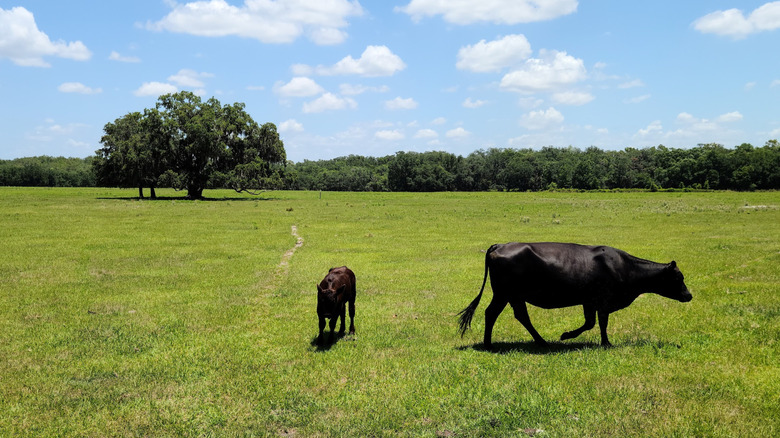
With 13 miles of trails in the Gilley Creek Tract, the network is substantial enough to feel like a proper backcountry outing rather than a short park loop. The trails are multi-use, suitable for hiking, biking, or horseback riding. Routes wind through a variety of landscapes, offering diverse scenery, from open pastures with cows grazing to pockets of sun-speckled woods with low scrub. Several reviewers note how peaceful the park feels, making it an ideal spot for hikers to get away from crowded trails and enjoy nature uninterrupted.
In the Gilley Creek Tract are three types of habitats that are underrepresented and, therefore, all the more vital to conserve: scrub (made up of dry, low-lying vegetation), scrubby flatwoods (similar to a scrub habitat but interspersed with pine trees), and mesic flatwoods (a type of wetland with pines and shrubs). These habitats, in turn, support specific wildlife. One species that the SFWMD highlights is the Florida scrub-jay, federally listed as a threatened bird that lives in the few remaining Florida scrub habitats, like the Cedar Key Scrub State Reserve between Tampa and Tallahassee, as well as the Gilley Creek Tract. Some other animals past reviewers have spotted in the tract are armadillos, deer, and wild hogs, adding another scenic reward to a hike through the tract.
Tips for hikers in the Gilley Creek Tract
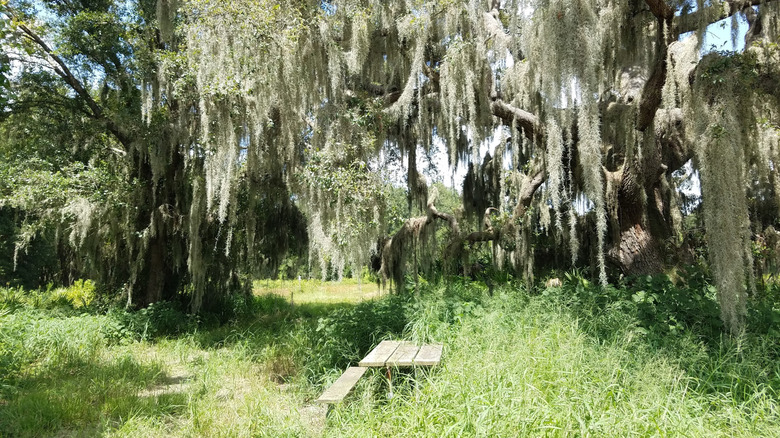
For hikers, the trails of the Gilley Creek Tract are rated moderate in difficulty overall on AllTrails, and some reviewers warn that there isn't much shade along parts of the hike — a potential warning sign that the hiking route isn't beginner-friendly, especially during Florida's hotter months. Make sure to bring lots of water, as there's none available along the trail, and plan your hike for earlier in the day when the sun is less intense. Other reviewers share that sections of the trails can be hard to follow because of overgrowth or sparse markings that require a bit more planning. Downloading an offline map can help, but the wild nature also contributes to the tract's less-developed Florida character.
The entrance to the Gilley Creek Tract is just north of Lake Manatee, home to the scenic Lake Manatee State Park with fishing and paddling opportunities. If you're coming from Tampa, it's about an hour away, while visitors from Fort Myers will drive a little under two hours to get there. There are parking spots on the side of the road, and there's only one portable toilet at the entrance. The SFWMD doesn't list any fee necessary for access.