
Between Charlotte And Athens Is South Carolina's Once-Thriving Plantation That's Now A Historic State Park
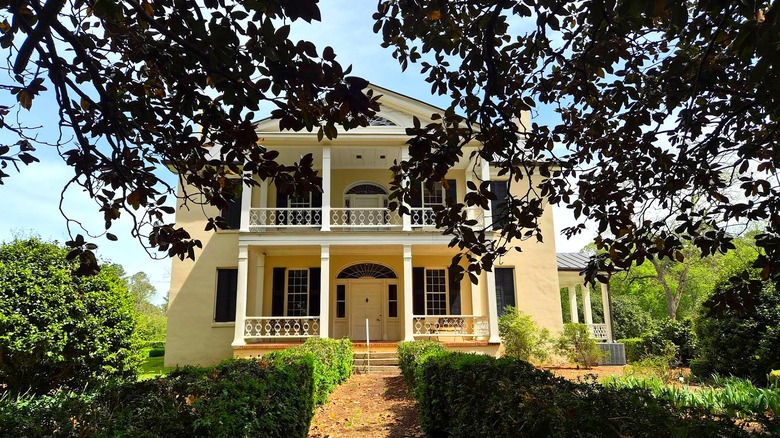
South Carolina has many historic plantations open to visitors, and each has preserved something unique in addition to the important history that they all share. Maybe it was the home of a famous colonial politician. Maybe it was the unique crops they grew. Or maybe it was how the plantation changed after the Civil War and the emancipation of enslaved persons.
In South Carolina's Midlands, between Charlotte and Athens, is one of the best-preserved plantations in the South, Rose Hill, but that's not what makes it special. It's unique because it was the once-thriving plantation and home of South Carolina's "Secession Governor" William Henry Gist. Today, Rose Hill Plantation Historic State Park is a 44-acre state park primarily focused on preserving the remaining original buildings. At its peak, though, it was a 2,000-acre cotton plantation with as many as 178 enslaved workers producing around 300 bales of cotton and 4,000 bushels of corn annually.
Unlike the Charleston area plantations along the Ashley River, Rose Hill escaped damage during the Civil War because it was too far from any of the battles or invading armies. After emancipation and the end of the war, Gist returned and continued to live in the house. Many of the newly freed enslaved families chose to stay on as tenant farmers, a common situation during the Reconstruction era. William Henry Gist died in 1874, and the plantation fell into disrepair, eventually being largely reclaimed by the surrounding forest. In the 1940s, Rose Hill was bought by Clyde Franks. He then restored the main house and gardens before selling it to the state in 1960. It's been maintained and operated as a state park ever since.
A peek into South Carolina's past at Rose Hill Plantation Historic State Park
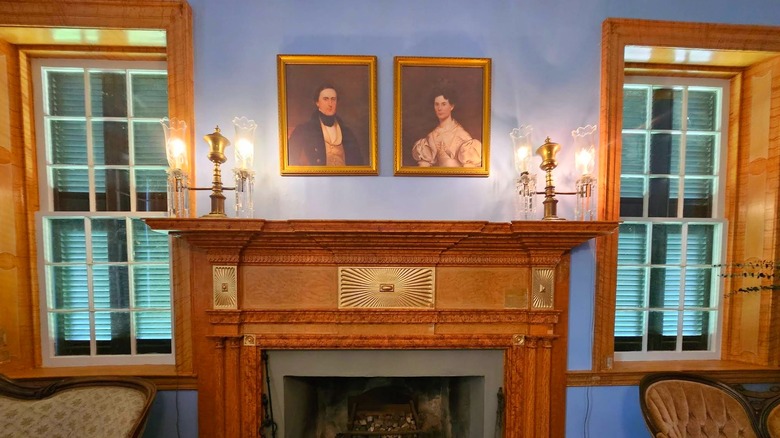
Rose Hill and the people tied to it bore witness to slavery, secession, war, emancipation, and Reconstruction. Their stories live on today through educational exhibits, guided tours, and community outreach programs. Rose Hill is part of the Reconstruction Era National Historic Network as it keeps in touch with descendants from this time period and shares the light and dark of its heavy history.
Only a few original buildings remain at Rose Hill Plantation. The rest were lost to time or reclaimed by nature in the 50 years between Gist's death and Clyde Franks' restoration work. The main house and the brick kitchen building are both original, the gardens were restored, and there are dilapidated remains of 11 tenant farmers' homes scattered across the property.
The rest of the buildings on-site were moved here or built in the 1940s as part of the restoration work. Strangely, evidence of the plantation's slave quarters has yet to be found. A log cabin from another plantation was moved here as a representation of what they may have looked like, but no originals remain. Pick up a self-guided walking tour map from the park's visitor center, and explore which buildings are originals and which are reproductions.
What to see and do at Rose Hill Plantation
Rose Hill's grounds are open to the public, dog-friendly, and free to wander at your leisure, but the interior of the mansion can only be seen via paid ranger-led tours. Tours have limited space, so reservations are recommended, and dogs are not allowed inside. While the preserved buildings are the main attraction, you can also enjoy a picnic, take a short hike, or go geocaching or bird watching on the property, but a few hours here is enough to see everything. It makes a good day trip from Charlotte, North Carolina, which is about an hour and a half away by car.
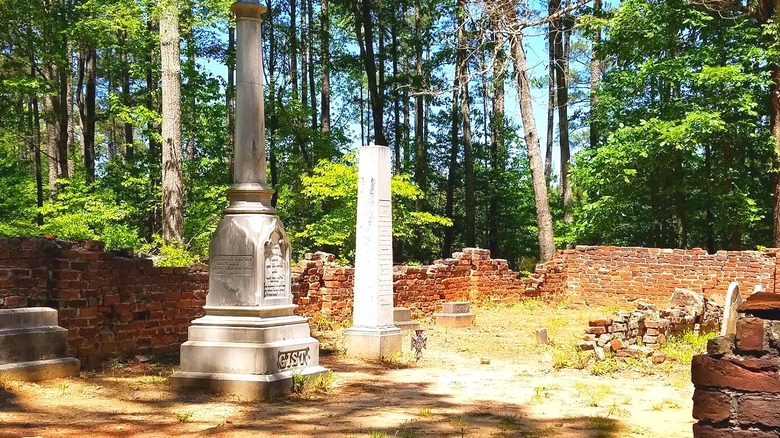
The state park is surrounded by Francis Marion and Sumter National Forests, which also surround the Gist family burial plot if you want to stop by after a tour of the mansion. The town of Union, South Carolina, is 20 minutes north of the state park, and part of South Carolina's charming Olde English District, a collection of counties that were first settled in the 1700s by the English, saw battles during the American Revolution, and are today full of friendly small towns, local shops, and state parks like Rose Hill Plantation.
If you're interested in visiting more historic plantations, the beautiful Ashley River Road Scenic Byway near Charleston winds past three plantations in just 11 miles, including Drayton Hall, America's oldest unrestored plantation.