
This Common Travel Habit Gives Gen Z The Ick (And We Can't Blame Them)

As more members of Gen Z reach adulthood, we hear quite a bit of news regarding how this generation is changing multiple aspects of society. Aside from new workplace demands and social norms, Gen Z is creating trends in the travel industry as well. And in the process, some habits that may be popular with other generations are receiving criticism from Gen Z travelers.
Hospitality company Generator (per Hertelier) asked Gen Zers to reveal their "biggest travel icks," and one common behavior which might come as a surprise is using Duolingo. This popular app, with its bright-eyed owl mascot, provides users with short, interactive lessons to help them learn a foreign language. It sounds innocent enough, yet 8% of respondents in the Generator survey put using Duolingo on their list of "icks."
Learning a few phrases in the local language is widely thought to be a considerate gesture that could put you in locals' good graces, but the Duolingo app has some glaring issues. In the subreddit r/Duolingo, one commenter explained, "The things people are criticizing are pretty consistent: aggressive push to the paid version through annoying ads, features that are paid-only, but still clutter your interface." Others say the lessons themselves are less than ideal.
Duolingo lacks authenticity, which Gen Z wants to experience when traveling
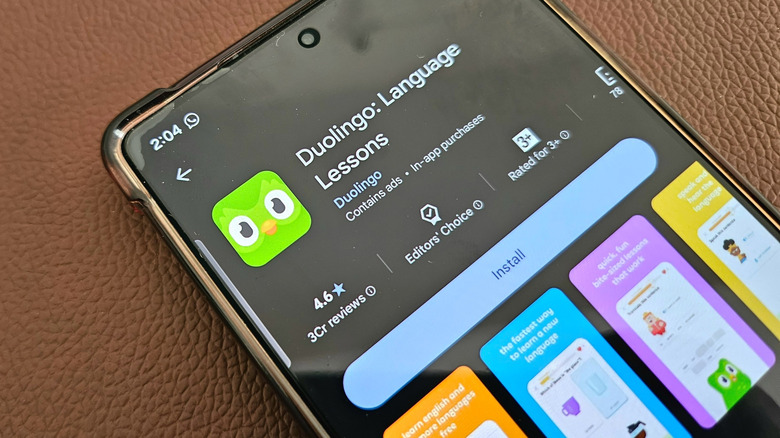
Contributors to the r/Duolingo subreddit feel that Duolingo's lessons are limited. The app "has little to no actual conversation," said one Redditor. To further your language skills, it's crucial to practice speaking, they argue. This points to a lack of authenticity with Duolingo — a particular pain point for Zoomers. Gen Z career coach Angela Richard explained in a LinkedIn post that Gen Z holds authenticity in high regard, and that extends to Duolingo. Plus, what has further removed that important attribute from the app is its use of AI to generate lessons, a job that human contractors used to fulfill. Richard highlighted why this is a problem by stating, "There's something incredibly important about human nuance and connection in language learning."
Annajane Güzel, global director of brand marketing at Generator, revealed her thoughts on how Gen Z wants their travel experiences to feel: "[I]t's all about embracing the destination in a more thoughtful and effortless way." The real human experiences of using local languages definitely fit well with this mindset. Learning key words and phrases in a destination's language helps make for a "good traveler." However, Duolingo's Gen Z critics would likely rather you go about overcoming a language barrier by conducting your own research and participating in real-life language exchanges instead of using lessons from an AI-powered app.