
Sandwiched Between Fort Myers And Fort Lauderdale Is Florida's Once-Thriving Ranch That's Now A Nature Preserve
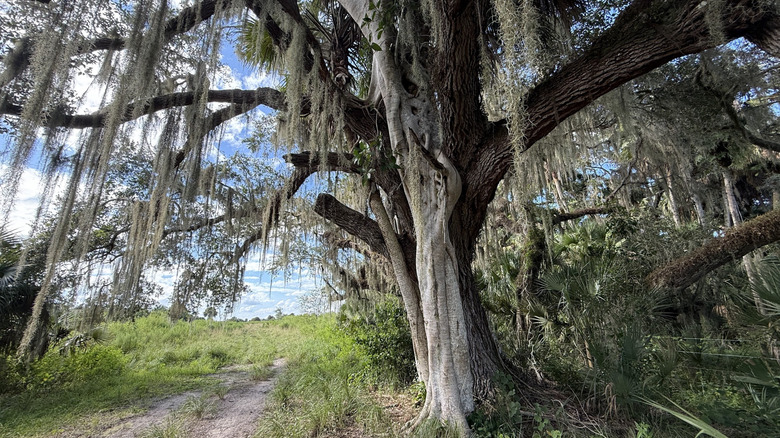
Many travelers visit southern Florida for its lively cities, like Miami, and its white-sand beaches. But when you head inland, you'll find what feels like another world entirely, filled with prairies, wetlands, and forests. That unique landscape is what you can expect to find at Dinner Island Ranch Wildlife Management Area, located in the heart of southern Florida, a little under a two-hour drive from Fort Lauderdale and 1.5 hours from Fort Myers. The land in this region was drained in the mid-1800s, and it was used as a ranch for decades. Today, it's a protected space with a mix of ecosystems where you can find an abundance of wildlife as well as outdoor recreation.
Before the water was rerouted some 150 years ago, this area was in the larger Everglades watershed. To help prevent flooding and provide water for agriculture, waterways were dammed, and canals were built throughout the mid to late 1800s. This helped open up the region for agricultural use, and it became a hotspot for sugarcane, citrus, and ranching. The Hilliard family, prominent ranchers in the area, raised cattle on what would become Dinner Island Ranch. There are still some cattle that graze on parts of the 21,000+ acre space, but it's all a part of an actively managed effort to help make it a haven for wildlife.
Among other species, the area is prime habitat for the endangered Florida panther, which is the state animal. Rehabilitated panthers have been released at the management area, and protected places like this one are important to be able to help give these big cats the space they need to roam. From wildlife watching to camping and outdoor recreation, there's plenty to discover across the Dinner Island Ranch Wildlife Management Area.
Spotting wildlife around Dinner Island Wildlife Management Area
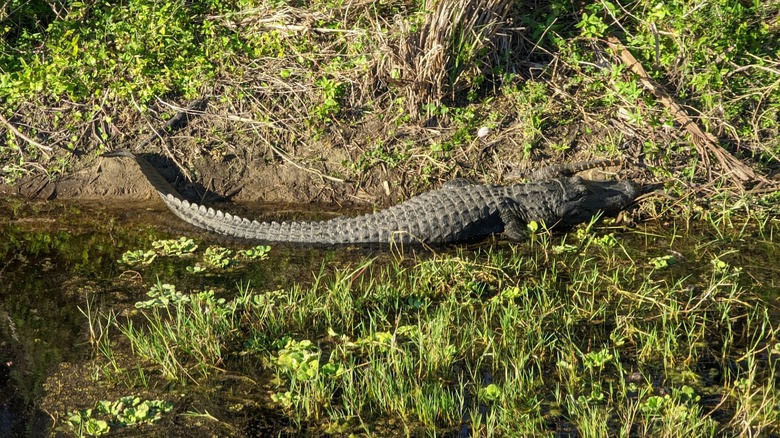
Wildlife is the main attraction at Dinner Island Ranch Wildlife Management Area. For travelers hoping to see a Florida panther here, know that it's quite rare but not impossible. That said, you're much more likely to be able to get in some quality birdwatching during your visit. While the Florida Everglades, about 60 miles south of Dinner Island Ranch, is more well-known as one of the best birdwatching destinations in the United States, you'll find a wealth of bird species throughout Dinner Island. It's the combination of ecosystems, like marshes, uplands, and pine flatwoods, that attracts the wide variety of birds.
Wild turkeys are often seen in the woods, and Florida sandhill cranes out in the prairies. The wetlands bring in herons, egrets, wood storks, and more, and if you look up to the power lines, you might see American kestrels and hawks. During spring and summer, you may spot swallow-tailed kites, and during winter, you'll be able to see a variety of ducks. Beyond birds, you can also see white-tailed deer as well as alligators in the water, including the ditches — be careful when you step out of your car. You never know what you'll see in this remote spot. As one visitor wrote on Tripadvisor, it's a "[h]idden gem out in the middle of nowhere [with tons] of wildlife. It is a nature photographer's dream."
You can drive, walk, bike, and horseback ride through Dinner Island Ranch via the approximately 17 miles of dirt roads, which are either named or numbered. The named roads are in the best condition, while numbered roads may be a bit rougher, especially after it rains. However you choose to explore, Dinner Island Ranch offers a chance to experience a wilder side of Florida.
Hunting and camping at Dinner Island Ranch Wildlife Management Area
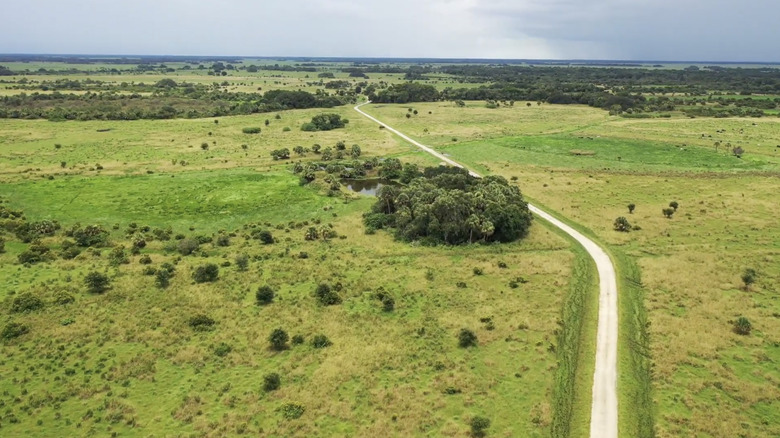
Dinner Island Ranch Wildlife Management Area opens for hunting seasonally, including feral hogs, which are invasive and can wreak havoc on the ecosystem. It's also a popular place for deer and game birds — just make sure you have the right license if you do plan to go hunting here. Even if you aren't a hunter, you need to be aware of the hunting seasons. For safety, any visitors to Dinner Island Ranch "are encouraged to wear a daylight fluorescent orange shirt, vest, jacket, and/or hat" when hunting is going on in the area, especially if you're going to be getting out of the car. And horseback riding isn't allowed during hunting seasons, except for dove hunting.
Dinner Island Ranch is open year-round, though it can get quite hot during summer. Opt to go early if you're planning to spend a lot of time out of the car, and bring plenty of water. For an extended stay, there are two campgrounds with a total of 37 sites, with options for both tent and RV camping. It's free to camp, but you have to have a permit. And make sure to brush up on common campground etiquette rules, from disposing of your own trash to helping fellow travelers.
The preserve is fairly secluded — one of the closest towns is Clewiston, a cute little Florida town that's well worth a visit, about 45 minutes away from Dinner Island. While you're exploring the inland regions of the state, check out Lake Okeechobee, Florida's largest freshwater lake, called the state's "inland sea" — it's about a 50-minute drive. Together, these destinations showcase a side of southern Florida that's far removed from the state's famous beaches and busy cities.