
Sandwiched Between Columbus And The West Virginia Border Is Ohio's Wildlife Haven For Hiking And Fishing
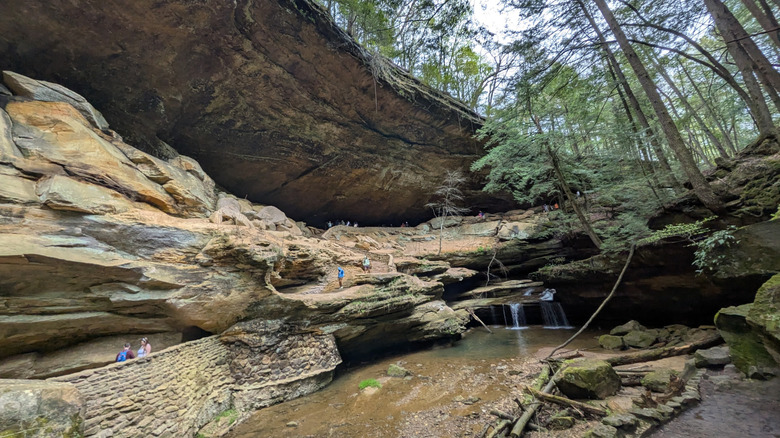
Ohio is known as a manufacturing hub, with major industrial centers in cities like Cleveland, Cincinnati, Toledo, and Akron. But you'll also find plenty of nature in the Buckeye State, in the form of state parks, forests, and preserves. Many of these are located in southern and eastern Ohio, away from busy factories. Among them is Cooper Hollow Wildlife Area, a vast refuge with diverse habitats and quiet walking trails in the southeast corner of the state.
Cooper Hollow Wildlife Area is about 85 miles from Columbus – a lively city with unique dining and an artsy aura – and 25 miles shy of the West Virginia border. The rolling hills in this region of Ohio were once covered in lush forests. But in the 19th century, the soaring oak, elm, and Virginia pine trees were cut down for farming and production for the iron industry. A large portion of the land was purchased by the Ohio Department of Natural Resources in 1953, with the intention of preserving forests and restoring wildlife in the area.
Cooper Hollow Wildlife Area covers more than 5,700 acres, open to the public for hiking, birding, fishing, and hunting. Visitors can also see remnants of the Madison iron furnace, which operated until the late 19th century. Admission to Cooper Hollow Wildlife Area is free, but a fee is required to use the on-site shooting range.
Fishing and hiking in Cooper Hollow Wildlife Area
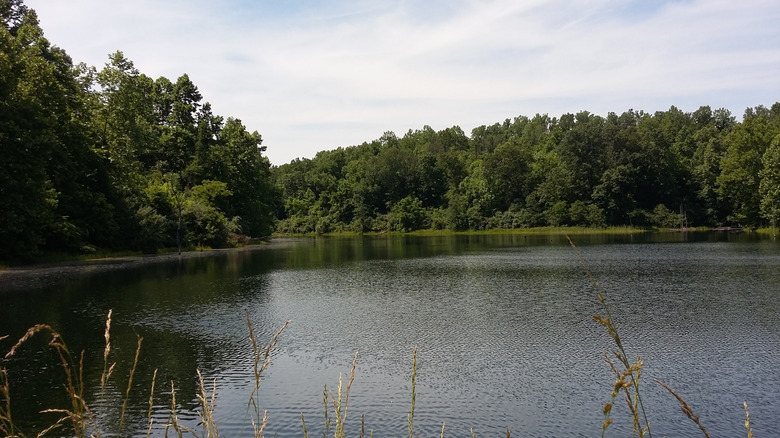
Visitors will find almost 20 miles of trails winding through Cooper Hollow Wildlife Area. A good place to start is at the headquarters, which provides access to the Madison furnace ruins and several other trails used by both hikers and hunters. Most of the trails are unmarked, so it's good to have a map handy. The Kanawha Trail — a historic trail used by Indigenous tribes, settlers, fur traders, militia, and even buffalo — passes through here. These days, you're more apt to see white-tailed deer, wild turkeys, and birds. Keep your eye out for wood ducks and mallards congregating in the water, warblers at higher elevations, and broad-winged hawks overhead. Beavers are also known to frequent the park's wetlands.
Fishing is a popular activity at Cooper Hollow Wildlife Area. Symmes Creek travels directly through the park — its waters, as well as the surrounding ponds, are abundant with bluegill, largemouth bass, and channel catfish. "The fishing is great with a variety of ponds to choose from," reads one review on Google Maps. "It's not uncommon to catch 30 or 40 fish in [one-and-a-half] hours." Anglers must have a valid state fishing license, which can be purchased online.
The nearest major airport to the wildlife area is West Virginia International Yeager Airport (CRW), about 82 miles away in Charleston, the most affordable vacation destination in the U.S. As you drive from the airport, you'll pass right through Point Pleasant, West Virginia's most mysterious town. Alternatively, John Glenn Columbus International Airport (CMH) is 94 miles away in the opposite direction. The nearest city to Cooper Hollow is Jackson, Ohio, where you'll find a variety of hotels and restaurants to recharge after your time in nature.