
Mississippi's Former Farm Town Is Now An Abandoned Escape For Camping, Scenic Views, And Trails
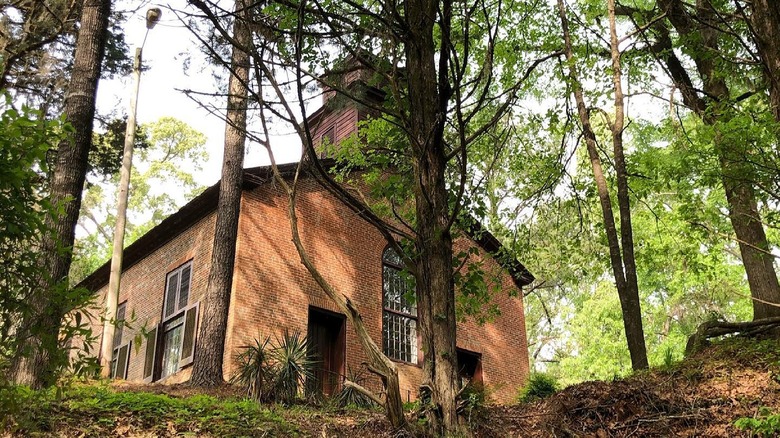
Not all settlements become towns, and not all towns become cities. Some of America's first towns no longer exist, and some that do exist stand only as ghostly remnants of what was and could've been had fate been kinder. The town of Rocky Springs in Mississippi was a once prosperous farming community with various wealthy plantations, whose owners — like many in America's South during the 1800s — enslaved people. This town of a few thousand residents also had a school, church, nearby inn, and various artisans and merchants.
It was cotton farming that gave Rocky Springs its wealth and, ironically, eventually led to the town's demise. First, the town struggled with an epidemic of yellow fever in the 1870s, with over 40 people in town dying. A few decades later, Rocky Springs couldn't recover from a boll weevil infestation that decimated cotton crops. By the 1940s, the town was all but abandoned. Today, Rocky Springs provides a fascinating stop for history and nature lovers alike, only one hour's drive from the state capital of Jackson.
Few remnants of the town remain — only the circa-1837 church, cemetery, post office safes, and some cisterns. The natural spring that gave the town its name also dried up shortly before it was abandoned. However, thanks to the National Park Service, you can now also find campsites, hiking trails, and beautiful natural scenery here. Whether you're walking past the ghost town while embarking on the Natchez Trace National Scenic Trail or just want a relaxed camping trip, Rocky Springs can coax you away for longer than you might expect.
Camping amongst nature in Rocky Springs, Mississippi
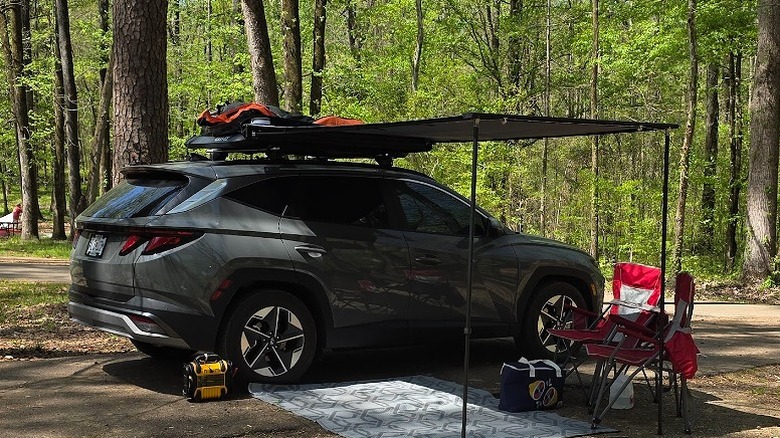
The Rocky Springs Campground is about a 1-mile walk from the abandoned Rocky Springs town. This campground is located at milepost 54.8 along the Natchez Trace, a national scenic trail in southeastern America. It has 22 free campsites that can't be reserved. This means it can get busy during peak times (spring, fall, and school and public holidays), when you may need to arrive early to secure your spot.
Bear in mind that the campsites are primitive and don't have the amenities of bigger, paid campgrounds, including cellphone service. This can help you feel more connected to nature and detached from civilization, but it can also leave some feeling too isolated and uncomfortable. You still have access to restrooms and picnic tables, but there are no showers. You might want to invest in something like the portable and compact Coleman Shower Bag from Walmart if you're planning to stay multiple days.
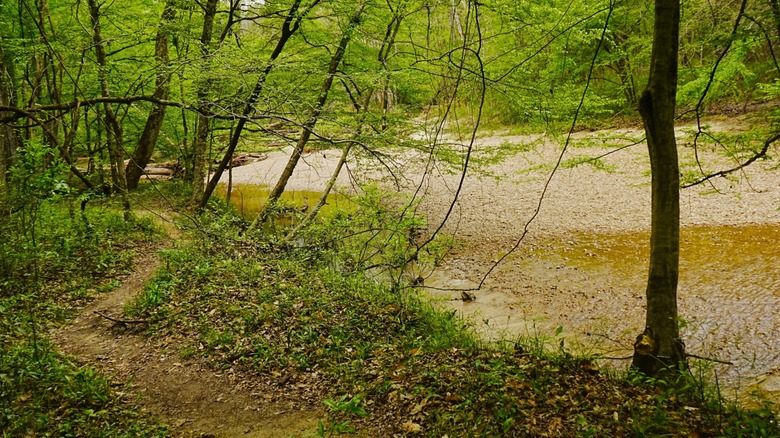
One of the best parts of camping here is the unhindered natural scenery. The lack of synthetic structures and light lets you truly unwind within a forest of tall leafy trees, interrupted only by fellow campers' cars and tents. You also have easy access to Little Sand Creek, which meanders past the campground and has a pebbly shoreline. Come nightfall, the sky above opens up, emboldened by the minimal light pollution here. "An awesome, free, and peaceful campground with beautifully dark skies perfect for stargazing — you can even see the Milky Way on a clear night," one camper wrote in a Google review.
Rocky Springs' scenic trails through American history
The trail from the campground to Rocky Springs is considered a moderate trek on AllTrails and should take you 20-to-30 minutes one way. This short section of the Natchez Trace leads you to the abandoned town's remaining structures. The Rocky Springs Methodist Church and adjoining cemetery are still maintained and open. While the church is no longer used regularly, it hosts the occasional wedding or special service. The cemetery has the graves of former Rocky Springs residents who lived and died here in the 1800s, and they rest beneath trees clothed in Spanish moss. You can also read plaques sharing the town's history, including General Ulysses Grant's use of the church as a Union headquarters during the Civil War.
From the town, you can hike the 6-mile Rocky Springs section of the Natchez Trace National Scenic Trail. This trail provides more scenic views for hikers and horseback riders with dense forest, ravines, ridges, outcrops, and access to Owens Creek. One of the most picturesque stops is about 3 miles along this route. Owens Creek Waterfall is a rain-dependent cascade that's barely a trickle most days. However, after a downpour, it creates a beautiful oasis in the forest, with moss-covered rocks, a small natural pool, and a steady stream of water.
You could also use Rocky Springs as a camping base for trekking the entire Natchez Trace National Scenic Trail, which is the easiest of the 11 National Scenic Trails in America. It has five separate and equally picturesque sections. You can enjoy views of spring wildflowers over the Tennessee Valley Divide, picnics beside sun-drenched ponds, boardwalks through cypress swamp, and forest paths through 20-foot-high embankments.