
Between Indianapolis And Chicago Is A Once-Thriving Farm That's Now A Wetland Preserve For Hiking And Wildlife
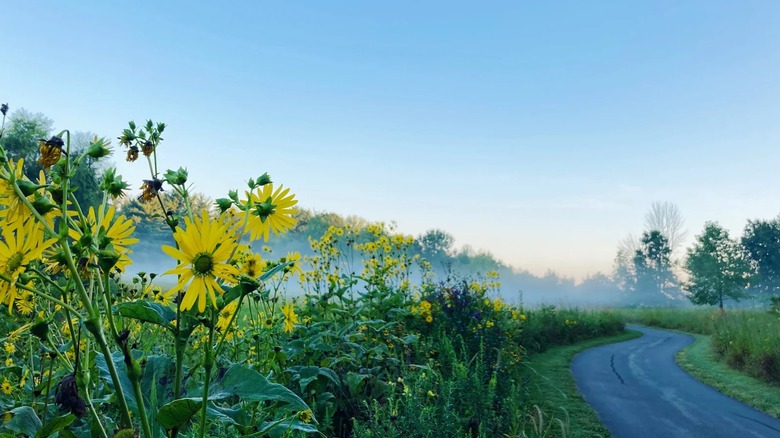
Celery, as any produce farmer will tell you, is a diva — challenging to grow while requiring a lot of water and nutrients. But in west-central Indiana, a boggy marshland was a celery-producing powerhouse for decades, along with other vegetables — onions, carrots, potatoes, peas, cabbage, and green beans — that thrived in fertile, peaty soil. Today, all that farming has been replaced with more than 100 acres of natural marshland. Known as the Celery Bog Nature Area, these habitat-rich wetlands teem with plants, trees, wildlife, and an abundance of birds, less than 3 miles from Purdue University.
Celery Bog was a shallow glacial lake leftover from the Wisconsin Ice Age that eventually morphed into a freshwater marsh. In the early 1900s, Dutch farmers installed tile drainage systems to access nutrient-rich soil. They supplied dozens of regional grocers with produce until about the late 1970s, when the soil's wear and tear gave way to rising water levels. The fields naturally transformed back into marshland, and in the mid-1990s, West Lafayette purchased it to create public-access parkland.
Located 70 miles northwest of Indianapolis and 120 miles southeast of Chicago, Celery Bog provides an immersive escape from urban centers and a contrast to the region's flat corn and soy fields: The Indiana Department of Natural Resources even considers it one of the most ecologically significant sites in the state. It offers miles of both paved and unpaved trails, a visitor's center, and opportunities to see wildlife, from turtles to bald eagles. Boasting 4.8 stars across almost 700 Google reviews, it's all the more surprising that Celery Bog still feels like an uncrowded hidden gem. "The wetland scenery is just stunning — peaceful in a way that's hard to find so close to the city," writes one visitor. "We spotted wildlife around every turn and left feeling genuinely refreshed."
Visiting Indiana's Celery Bog Nature Area
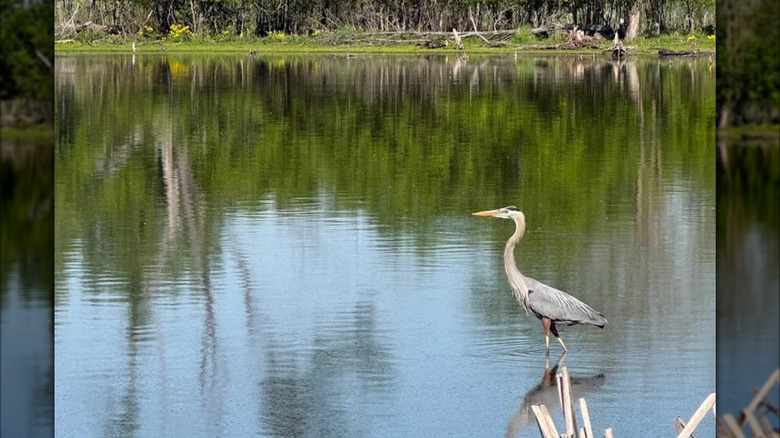
Less than 3 miles from Lafayette, the vibrant college town full of entertainment and one of the fastest-growing metro areas in America, as well as one of the best cities for a Midwest getaway, Celery Bog Nature Area is a tranquil getaway located off Lindberg Road. Patterned by several shallow wetland basins and a vernal pool, the area somewhat overlaps the Scifres-Maier Woods Nature Preserve and includes savanna, restored prairie grass field, woodlands, and over a dozen wildflower varieties. There is no entrance fee, and the park's Lilly Nature Center features exhibits and frequent educational activities throughout the year. Parking and bathrooms are also available. No boats, fishing, swimming, or drones are permitted in the nature area.
Pedestrians and hikers can enjoy use of nearly 7 miles of paved and unpaved trails that wind around the bogs, pockmarked by an occasional bench or observation deck. Several paved trails also allow bicycles. The 1.8-mile looped Celery Bog Nature Trail is one of the main unpaved trails and one of the best places to spot birds, offering peaceful vistas of the lake and opportunities to spot non-avian wildlife like turtles, beavers, white-tailed deer, and muskrats. The paved Cattail Trail intersects with this trail, connecting all the way to Purdue's campus. Pets are permitted, but must be leashed.
Celery Bog is also part of the Indiana Birding Trail. More than 260 species of birds have been spotted here, from pelicans and solitary sandpipers to herons, kingfishers, screech-owls, and yellow-bellied flycatchers, making Celery Bog an ideal location for photographers and birders looking to add to their life list. Finally, it shares proximity to the Tippecanoe River, one of the best Indiana spots for pike fishing, only 5 miles from the Wabash Heritage Trail, an 18-mile scenic trail along the Wabash River. All in all, an incredible destination for the most outdoorsy visitors.