
Forget Crater Lake, Visit These Lesser-Known Ethereal Destinations With Fewer Crowds Instead
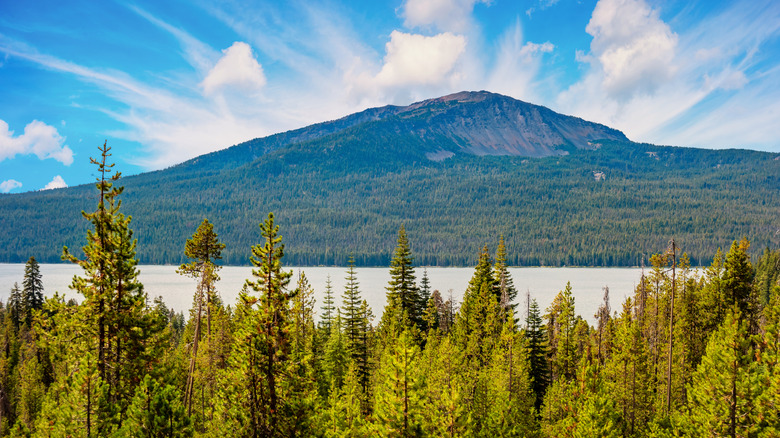
Oregon's magnificent Crater Lake is not merely the state's sole national park, but it's also one of the Pacific Northwest's top natural wonders. Situated in the caldera of an ancient volcano, it is the United States' deepest lake. The basin's location within the stunning Cascade range frames it with a beautiful expanse of mountains and evergreen forests in one of the country's most beautiful scenes. As with any popular national park, however, fame often comes with crowds. Though Crater Lake does not quite suffer from the overcrowding issues of parks like Yosemite, it has seen surges in traffic that can easily affect a visit to what should be a serene geological treasure — particularly during the peak summer tourism season. If crowds aren't what you're looking for in an Oregon vacation, the Beaver State does, fortunately, have plenty of other amazing lake destinations with similar ethereal qualities to Crater Lake.
Oregon contains a good chunk of the larger Cascade Range of the Pacific Northwest, providing an abundance of gorgeous snow-capped peaks and volcanic formations. Simultaneously, the state experiences the Pacific Northwest's notoriously rainy weather. Together, these factors create a diverse collection of lakes and water features nestled in Oregon's dream-like forests, mountains, and geological oddities. Traveler reviews and park data point to these 10 destinations as offering the same kind of ethereal vibes and unforgettable scenes in a tranquil, uncrowded environment.
Detroit Lake State Recreation Area
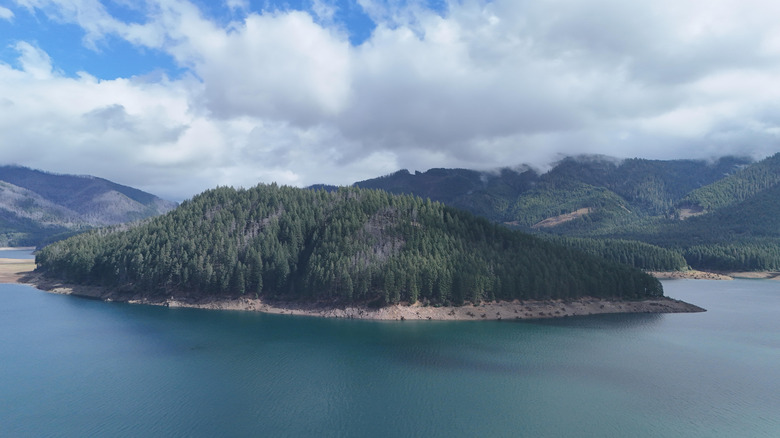
With around 120,000 visitors in a given year, the Detroit Lake State Recreation Area only sees about one-fifth the number of people who travel to Crater Lake. Detroit Lake is a 3,500-acre reservoir in a forested Cascade canyon. Sightseers can enjoy Detroit Lake's excellent vantage points of Oregon's 10,495-foot Mount Jefferson volcano and other spectacular mountain views.
Detroit Lake matches its scenery with excellent opportunities for boating, hiking, and camping. It is also a gateway to other outdoor destinations, like Oregon's Santiam State Forest (and its many trails and waterfalls), just 21 miles away.
The Cove Palisades State Park
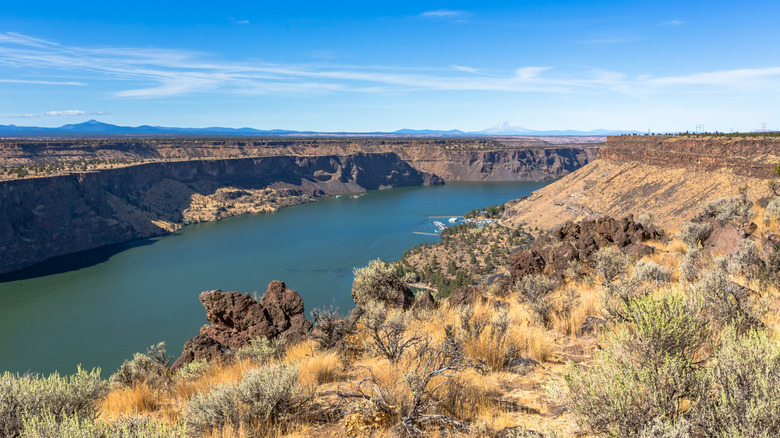
Far from the peaks and forests of the Cascades, The Cove Palisades State Park stretches across a network of canyons and cliffs that look more like Utah. The Cove Palisades' strange beauty comes from Central Oregon's arid High Desert region. Though desert-like in appearance, the park's steep canyons do protect the water-rich Lake Billy Chinook.
With sapphire-blue waters juxtaposed against rocky cliffs and open sky, Lake Billy Chinook replicates the ethereal beauty of Crater Lake in spirit, if not in appearance. A camper also reported on Google that the park "wasn't too crowded" to enjoy.
Steens Mountain Wilderness
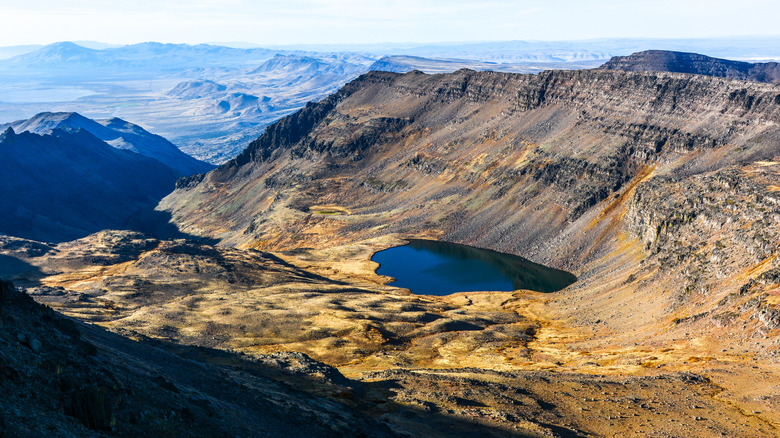
Another ethereal High Desert Crater Lake alternative is the rugged Steens Mountain Wilderness. Steens Mountain is a nearly 10,000-foot-high and 60-mile-wide rocky monolith that mimics the alpine splendor of the Cascades. And with around 100,000 visitors per year, Steens Mountain Wilderness usually has fewer crowds than the more popular Crater Lake.
Steens Mountain's gargantuan basalt geology, cliffs, and wildflowers match the beauty of the mountains surrounding Crater Lake, with a strange, desert-like twist of gorges and sagebrush. The Steens Mountain Wilderness even has impressive mountain lakes, like the scenic and recreation-rich Wildhorse and Fish lakes.
William M. Tugman State Park
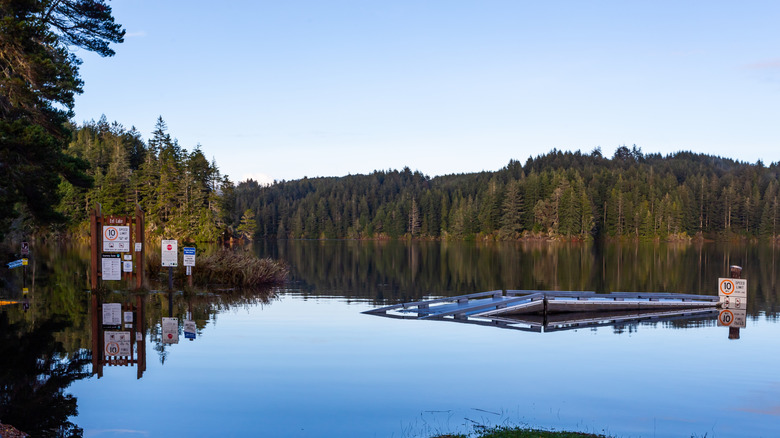
William M. Tugman State Park sits in prime real estate between the Oregon coast and the pristine Eel Lake. However, the park retains a secluded, under-the-radar character that often provides visitors with a quiet, uncrowded lake escape.
The park's Eel Lake is a nature Ice Age remnant with steep, forest-line shores reminiscent of the more famous Crater Lake. William M. Tugman also contains notable dunes and coastal forests, with both scenic trails and overnight campsites available for visitors to enjoy.
Emigrant Lake
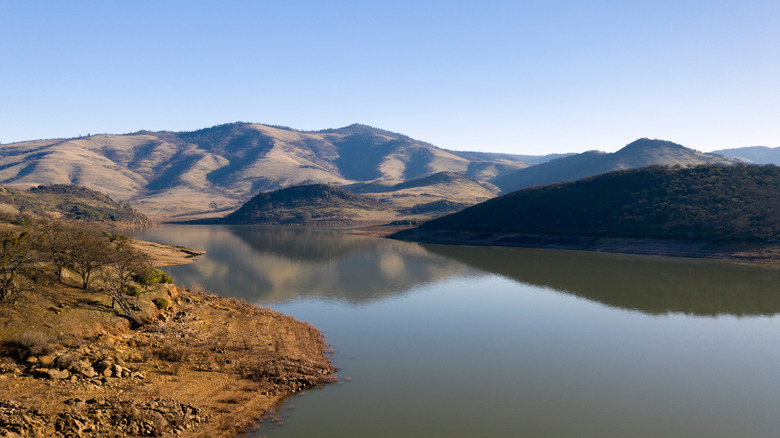
Unlike Crater Lake and its prestigious "national park" status, Emigrant Lake is a humble municipal park in southern Oregon's Jackson County. However, this 806-acre reservoir exemplifies the vivid beauty of Oregon's naturally and culturally rich Rogue Valley.
Lacking national park exposure, Emigrant Lake frequently enjoys a relative lack of crowds (and crowd noise). Reviewers on Google have praised its "quiet" and "beautiful" atmosphere. The scenic Rogue Valley cliffs surrounding the lake make excellent rock climbing routes with minimal crowds, while fishing, swimming, and boating opportunities are perhaps even better here than at the more off-limits Crater Lake.
Olallie Lake
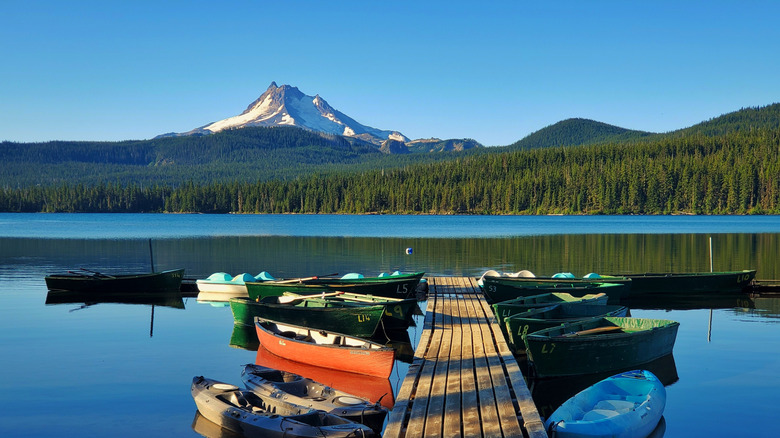
Olallie Lake has the dual benefit of being a remote national forest site and a privately-operated nature resort. The 240-acre Olallie Lake is part of Oregon's Mt. Hood National Forest, situated at the base of Olallie Butte between the forest's namesake Mt. Hood and the equally stunning Mt. Jefferson.
The lake's views of Mt. Jefferson in particular are worth the trip, as the nearly 10,500-foot volcano dominates the lake's southern horizon. Though the Olallie Lake Resort lacks modern amenities like cellular service, past visitors have praised it in Google reviews for "secluded" and "rustic" qualities amid beautiful Cascades scenery.
Three Sisters Wilderness
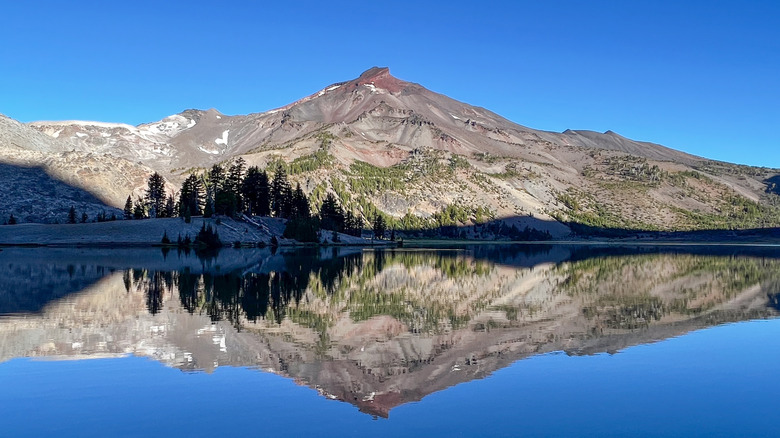
The Three Sisters Wilderness is a magnificent mountain retreat in the Deschutes and Willamette national forests, with a comprehensive sampling of Oregon's strange and beautiful volcanic history. The Three Sisters are a trio of volcanic peaks, each topping 10,000 feet, surrounded by a sublime expanse of forests, meadows, waterfalls, glaciers, and lava fields.
Though none are as large as Crater Lake, the many lakes of the Three Sisters Wilderness are all stunning sights, with treasures like Moraine Lake and the Green Lakes matching Crater Lake's impressive views. Plus, wilderness regulations and permit requirements tend to limit crowds.
Hells Canyon National Recreation Area
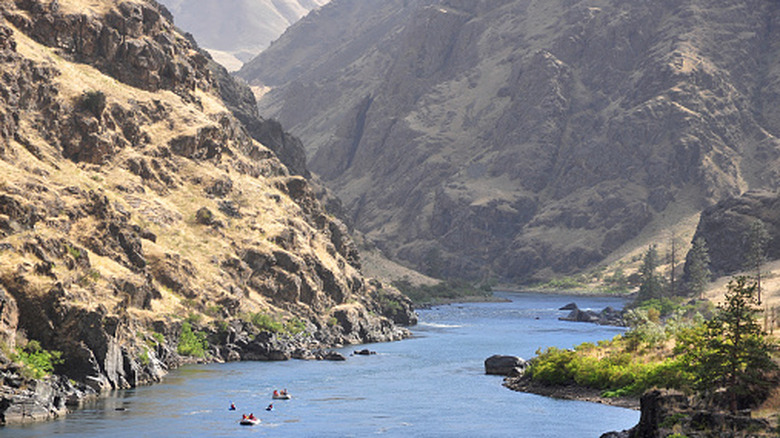
Straddling the Oregon-Idaho border, the Hells Canyon National Recreation Area may be the Pacific Northwest's wildest remaining destination. The remote and forbidding Hells Canyon is actually America's deepest canyon, reaching nearly 8,000 feet. In terms of sheer spectacle, the colossal walls straddling the Snake River may beat out even the famed sights at Crater Lake.
Hells Canyon sees few crowds. Despite this, the Hells Canyon Recreation Area is particularly terrific for boating and rafting adventures. Campers can also enjoy the location's lake destinations at spots like the Black Lake Campground.
Diamond Lake
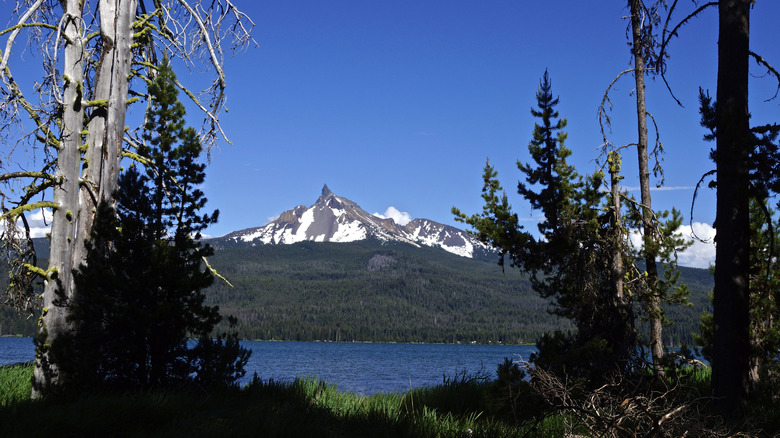
Diamond Lake, if Oregon's Umpqua National Forest, is just 7 miles north of Crater Lake, offering similar scenery while avoiding most of Crater Lake's national park crowds. As a result, the Diamond Lake Campground gets top reviews on Google for its "spacious" size and "tranquility."
Though significantly shallower than the nearby Crater Lake, the 3,031-acre Diamond Lake originated from the same volcanic processes. Diamond Lake offers visitors the magical view of clear blue waters framed by the distinct jagged peak of Mount Thielsen and the white barricade of Mount Bailey on opposite ends of the lake's shores.
Newberry National Volcanic Monument
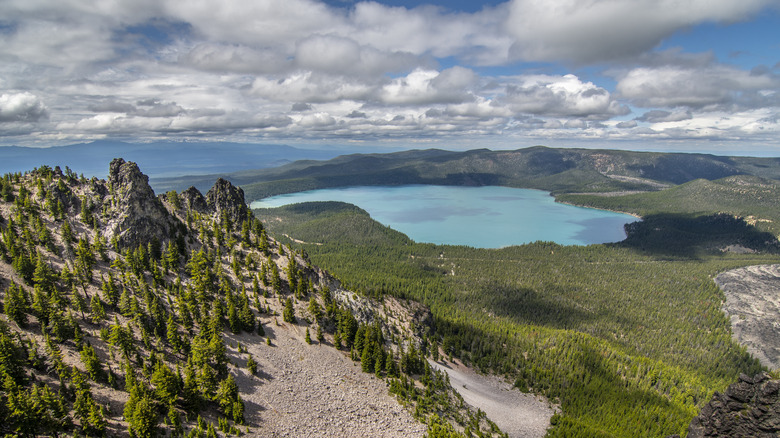
Much like Crater Lake, the Newberry National Volcanic Monument is a living museum of Oregon's explosive volcanic past. Officially the Cascades' largest volcano, the centerpiece Newberry Volcano is now a massive caldera similar to Crater Lake's — with similar lake formations.
Newberry Volcano's Paulina Lake has some of the clearest and cleanest waters in Oregon, while the neighboring East Lake is a top spot for recreation among gorgeous forest scenery and volcanic formations. According to multiple Google reviews, crowds are rarely a problem here. One person many described the park as "almost empty" during their visit.