
This Best-Kept Wisconsin Secret Is A Whimsical, Free-To-Visit Botanical Garden Full Of Vibrant Urban Beauty
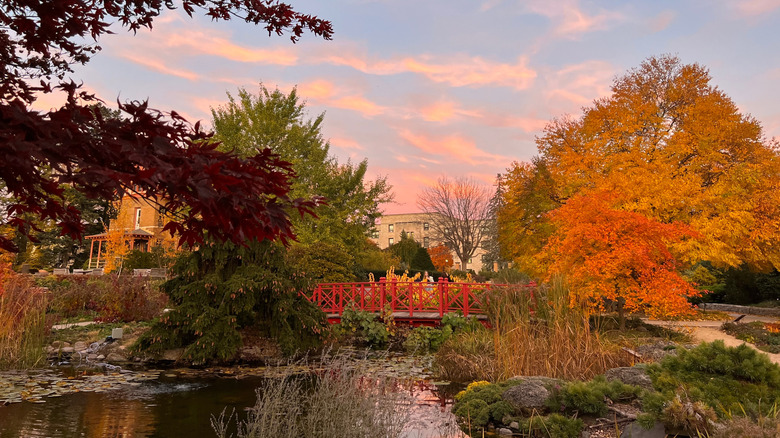
Madison attracts students to its large research university, foodies to its huge farmers market, and outdoor lovers to its numerous lakes. Despite its well-known attractions that draw diverse visitors, the capital of Wisconsin still has a few hidden gems that have managed to remain a secret. Allen Centennial Garden is an urban oasis full of smaller gardens and colorful flowers. So as you start planning your next visit to the city, make sure you set aside some time in this fairytale spot.
Allen Centennial Garden is a living laboratory and teaching garden for the Horticulture Department at the University of Wisconsin-Madison, one of the largest public universities in the United States, per Best Colleges. The university broke ground on the 2.5-acre garden after Ethel Allen, a former student, faculty member, and naturalist, made a large donation in 1985. The garden was named in honor of Ethel and her husband, Dr. Oscar Allen, a professor and bacteriologist, and it officially opened four years later.
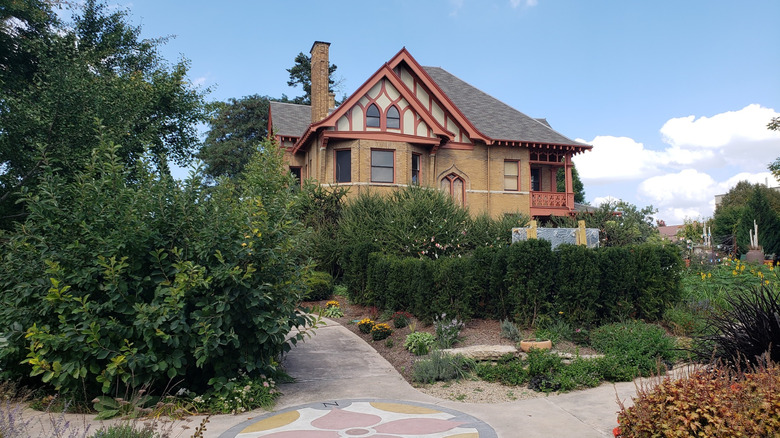
Though Allen Centennial Garden has been part of the university's campus for less than 40 years, its location has a much deeper history. The garden surrounds the Agricultural Dean's Residence, which is also known as Lake Dormer or the E.B. Fred House. The Victorian Gothic mansion, built in 1896, was the home of the university's first four deans of the College of Agriculture. The whimsical building, with its conical tower, gabled dormers, and ogee arches, now contains offices and is listed on the National Register of Historic Places.
Explore the grounds of Allen Centennial Garden
Compared to Madison's Olbrich Botanical Gardens, which feels like it was teleported straight from a palace in Thailand, Allen Centennial is an underrated secret. On Tripadvisor's list of the best attractions in Madison, Olbrich ranks at No. 1, with over 1,700 reviews. Allen Centennial Garden doesn't quite make the top 15, but it does boast a 4.8 rating on the site, with just over 100 reviews. Its hidden-gem status means that you can skip the crowds at Olbrich while still seeing incredible foliage.
You'll be pleasantly surprised to learn that there's no admission fee, so you can start exploring the grounds right away. Walking paths, many of which are wheelchair accessible, wind through the garden, lined with benches that are perfectly positioned to take advantage of the beautiful views. The garden is open to both people and leashed dogs from dawn to dusk each day. Though you may wander at your leisure, Allen Centennial Garden offers two types of tours if you want to learn about the garden's history and plants. General tours are led by a student intern or a member of the garden's staff, while the garden's executive director guides more personalized director tours. Both require advance planning and payment.
Given it's location in Madison, one of the most charming and walkable college towns in the Midwest, it's incredibly easy to reach Allen Centennial Garden. Nonstop flights from all over the country land at its Dane County Regional Airport (MSN). The drive from there is quick, less than 20 minutes along the southern shore of Lake Mendota to the university's campus. You also have the option of boarding a Metro Transit bus at the airport. The garden's entrance is a half mile from the bus stop.
Pick your favorite smaller garden
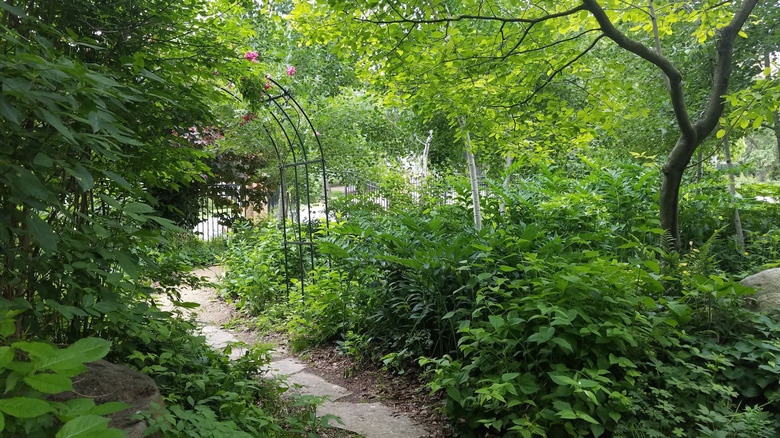
Though Allen Centennial Garden covers only a few acres, there are 27 attractions, each with a unique style. Two of these gardens are filled with annuals, which only live for one season, and highlight a yearly theme. The 2026 theme, "Illuminate the Garden," focuses on the importance of light to plants. The Corner Garden highlights the sun with its warmth and fiery hues, while the Orientation Garden concentrates flowers that bloom at dusk and shimmer in the moonlight.
Perennials (which bloom and die for many years) fill the rest of the gardens. As you wander the grounds, you'll see that the Wyman Memorial Kitchen Garden, near the Agricultural Dean's Residence, is full of edible plants grown all over the world. Its main beds are surrounded by herbs, ornamentals, berries, and fruit. On the other side of the garden, you'll find the Pond Garden, with a Japanese-style bridge, a gazebo, and moisture-loving water lilies. Brightly colored koi live here, too. From there, it's just a short walk to the Gabelman Rock Garden. The award-winning space, maintained by volunteers, contains wildflowers that grow in harsh conditions.
So what's next on your Madison itinerary after Allen Centennial Garden? Dudgeon-Monroe, a neighborhood lined with shops, cafes, and global restaurants, lies just 2 miles south of the garden, reachable by bus.