
Forget Yellowstone, Visit Montana's Second-Largest Reservation Where You Can See Bison Roam Wild
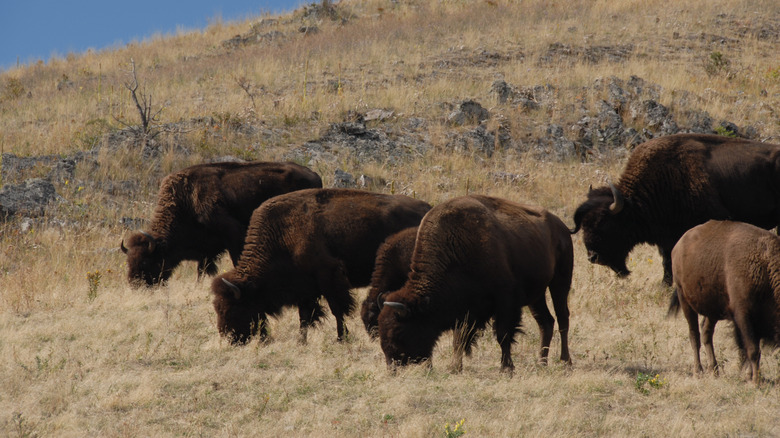
Wyoming's Yellowstone National Park is beloved for its bison herds. Often called buffalo in this part of the country, the species is a major symbol for the first designated national park in the United States. However, as one of the most-visited national parks in the country, Yellowstone's crowds can potentially slow down your wildlife viewing experiences. Thankfully, much of this part of the United States has wide, open spaces, making for prime buffalo habitat even outside of Yellowstone. Among the other places to see these beautiful animals is at Montana's Fort Peck Indian Reservation, a roughly seven-hour drive northeast of the park.
Stretching from the Missouri River to around 50 miles south of the Canadian border, the Fort Peck Indian Reservation occupies over 2 million acres of northeastern Montana. This makes it the second-largest reservation in the state. Many of the reservation's buffalo are at Turtle Mound Buffalo Ranch, located 25 miles northeast of the city of Poplar. More than simply trying to catch a glimpse of these iconic animals on the reservation, you can learn about their significance to the region's Indigenous cultures. Given the land's reserved status, be sure to contact the Fort Peck Tribes before venturing onto the ranch.
The buffalo at Fort Peck have close ties with Yellowstone National Park
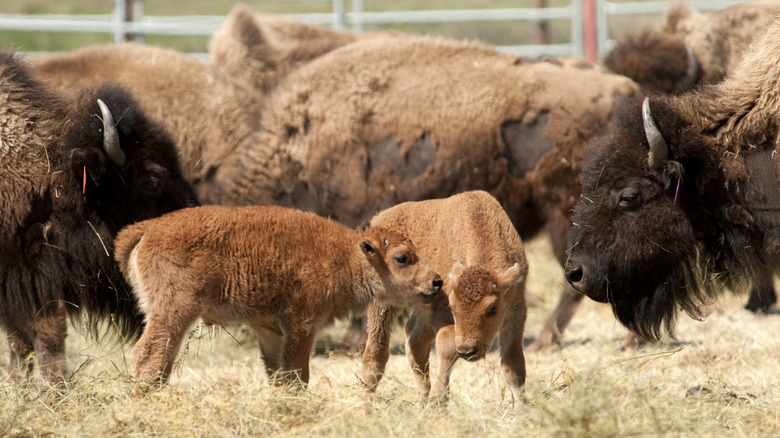
Those at the helm of Fort Peck Indian Reservation's buffalo program work closely with Yellowstone National Park. Fort Peck received 213 buffalo from the national park in March 2026, each one being 100% pure Yellowstone buffalo, without any cattle cross-breeding. This brought the reservation's total to around 1,000. However, these are not the first ones to arrive at Fort Peck from Yellowstone, as such transfers have helped both locations manage their respective buffalo populations over the years.
No matter where your buffalo adventures take you, remember that if you encounter bison in the wild, the National Park Service advises all observers to stay at least 100 feet away. If the animals approach your vehicle, remain inside at all times. Approaching animals is among the most upsetting tourist mistakes people make, and doing so can get you fined by park rangers. As for viewing the buffalo in Fort Peck, be mindful of the fact that you are a guest of the tribes who live on the reservation and monitor the buffalo populations.
Learn about the connections between buffalo and Indigenous tribal culture at Fort Peck
Prior to their 1999 reintroduction, buffalo had not grazed throughout the Fort Peck Indian Reservation in more than 100 years. Prominent advocates for bringing them back to northeastern Montana were members of the Assiniboine and Sioux Indigenous tribes. Buffalo skin, bones, meat, and other parts were integral to the survival of these tribes and are involved in traditional ceremonies, as they are for multiple Indigenous groups across North America. Learn about the cultures of the Fort Peck tribes at the Fort Peck Assiniboine & Sioux Cultural Center in Poplar during your trip.
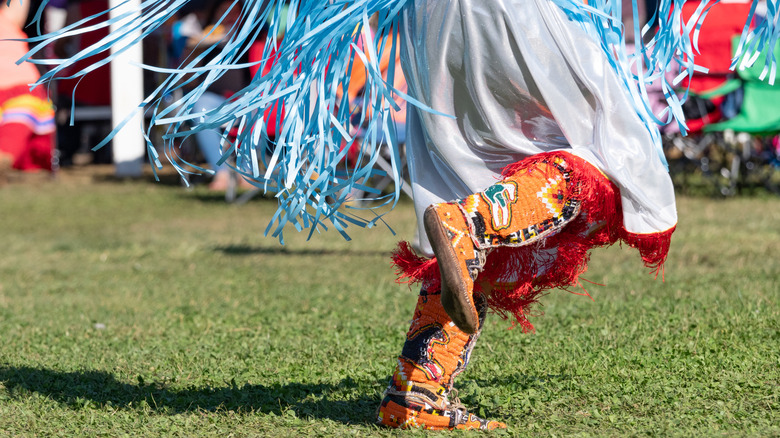
For another Indigenous experience at the Fort Peck Indian Reservation, check out the Poplar Indian Days. This powwow takes place in Poplar each year on Labor Day weekend. In true powwow fashion, multiple components of Assiniboine and Sioux culture are on display during this celebration. Try some of their cuisine, peruse booths with artists selling handmade crafts, and learn about their different types of dances through lively performances. Dancers of all ages dress in traditional performance regalia and engage in some friendly competition for the event's spectators to enjoy.