
Forget Everglades National Park, Visit Florida's Underrated National Memorial With Unique Wildlife And Historic Trails
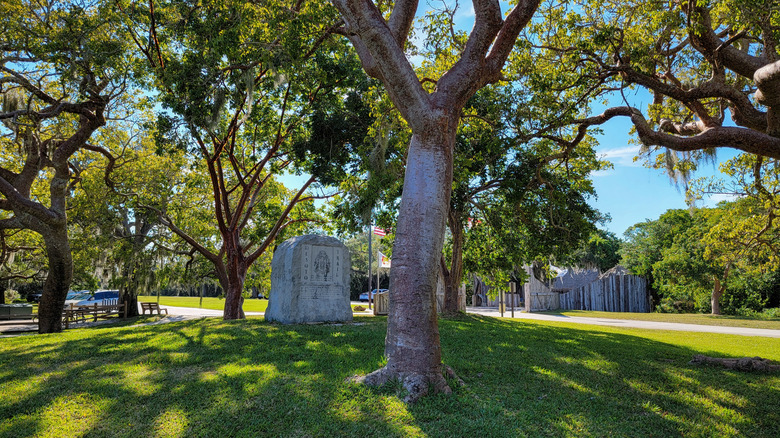
Sunshine State bucket lists are often loaded with wild kayak adventures and gator-spotting safaris at Everglades National Park. But there are oodles of other state-owned reserves in these parts, many of which offer the chance to escape the whopping 1 million people who visit the Everglades each year. Enter De Soto National Memorial, a bit of an under-the-radar spot for unraveling Florida's swashbuckling history with a taste of wilderness on the side.
At a mere 26 acres in size, this park might be on the small side compared to Everglades' 1.5 million acres. But it has a mighty claim to fame, for it marks the supposed location where Spanish conquistador Hernando De Soto, the park's namesake, first made landfall way back in 1539. Today, that history comes alive with reconstructions of 16th-century villages and kayak tours of the waters once paddled by the Uzita people. There's all that, plus a spectacular setting amid mangroves, swamps, and white-sand beaches, where rare birds fill the skies and cabbage palms loom overhead.
De Soto National Memorial occupies a peninsula on the Manatee River as it merges with Tampa Bay. To get here, you're looking at a drive of about 35 minutes from the seaside city of Sarasota, or about an hour from downtown Tampa. Tampa International Airport (TPA) — also an hour's drive away — is the nearest major arrival point for both domestic and long-haul flights.
Uncover Florida's rich history at De Soto National Memorial
History is very much the raison d'etre of De Soto National Memorial. It was established in 1948 and marks the spot where experts believe that Hernando De Soto and his army of around 620 men landed back in the 16th century, beginning an expedition that would eventually take them all the way to Tennessee in search of gold. Today, visitors will see a large stone monolith heralding the start of the De Soto Trail, a 34-stop odyssey that links key places related to the Spaniard's journey through Florida, including the unique ecosystem of the Withlacoochee State Forest and the serene woodlands of the Bell Creek Nature Preserve, to name just two.
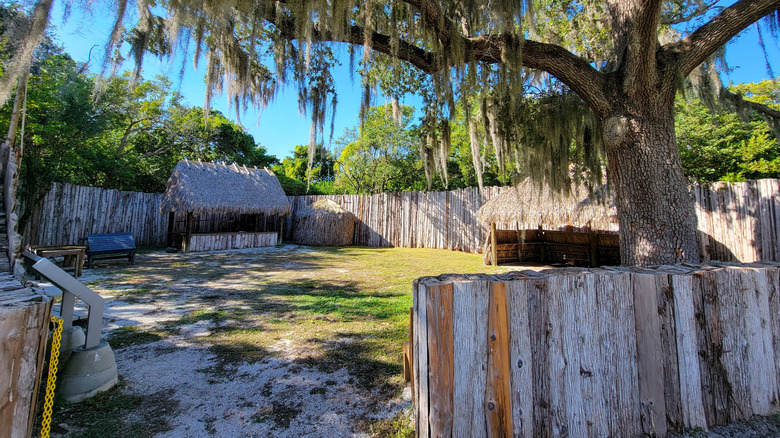
Back at De Soto National Memorial, something even more immersive awaits at Camp Uzita, a complete recreation of an Uzita village; just the sort that would have existed here during the arrival of the conquistadors. Within it, you can walk between traditional dwellings known as chickee huts, and attend talks and demonstrations led by staff dressed in authentic period clothing.
Beyond that, the De Soto Expedition Trail traverses boardwalks and gravel paths throughout the park. The whole way is peppered with cut-outs depicting Spanish fighters, informational plaques, and other historical points of interest. You can also drop by the visitor center to collect a trail map and watch an educational video relating to the history of the site.
Wildlife spotting at De Soto National Memorial
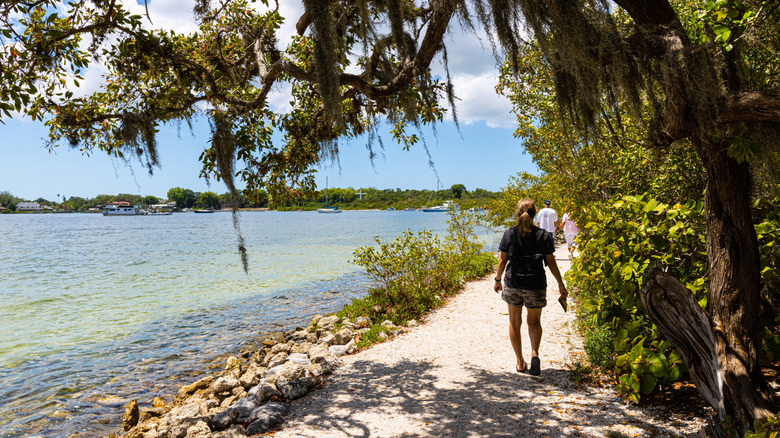
A trip to De Soto National Memorial isn't all about tracing the 500-year-old legacy of the site and its totemic impact on U.S. history. It's also about enjoying the present-day beauty of the region's diverse habitats. According to the National Park Service (NPS), the on-site nature trail passes through not one, not two, but four distinct ecosystems in the span of just half a mile, ranging from pine forests to salt marshes to mangroves.
That means there's plenty of wildlife spotting to be done, particularly if you look to the skies. Yep, there are oodles of bird species in attendance here. Brown pelicans patrol the shoreline sections of the park, great egrets stalk the wetlands, and northern cardinals can be found within the forested parts of the reserve. Other species you may spot include anhingas, barred owls, black crowned night herons, white ibises, sandwich terns, ospreys, and red-bellied woodpeckers, per the NPS.
The NPS also arranges guided kayak outings on specific dates throughout the summer months, offering visitors the chance to get out on the Manatee River for a different perspective. If you haven't yet seen a manatee from one of Florida's scenic beaches, this may be your chance. And then there are the land-dwelling critters that you might spy in the mangroves, from slithering snakes to gopher tortoises.