
Halfway Between Indianapolis And Bloomington Is A Scenic Nature Preserve With A Trail, Ravines, And Rare Wildlife
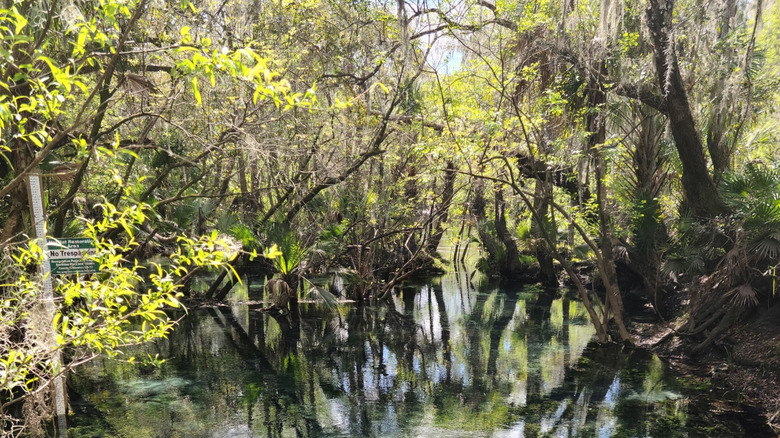
Despite the fact that over 70% of the Midwest population lives in urbanized areas (according to census.gov), there are still plenty of state parks, pockets of urban green, and wilderness reserves to be found across its 12 states. Take Indiana, where cities like Indianapolis have built their fame on manufacturing cars and then enthusiastically racing them on concrete, yet still have access to hundreds of acres of forests and nature on their doorstep. It is the case with the Fred and Dorothy Meyer Nature Preserve, sandwiched halfway between Indianapolis and Bloomington. Only about 30 miles separate the preserve from either city, making it an ideal nature-filled day-trip destination.
Officially open to the public since 2013, the 68-acre Meyer Preserve features dramatic ravines and a wide variety of tree species, resulting in an ever-changing woodland landscape. There is one main trail snaking through the mature forest, where visitors can try to spot birds and other wildlife. Despite the hilly and sometimes steep terrain, this is still a very accessible area, with a parking lot right outside and a few rest spots along the hike. But the preserve's main attraction may be its seclusion and the natural variety that it fosters, all within close reach of Indianapolis and Bloomington.
Observe dramatic ravines and trees along the Meyer Preserve's nature trail
As the name suggests, the preserve's history is closely tied to the Meyer family. Dorothy "Dottie" and her husband, Fred Meyer, worked hard to establish the first dedicated nature preserve in Indiana (according to Conserving Indiana), and their son Bob Meyer later contributed significantly to securing the land that now bears his parents' names. The preserve has been under the stewardship of the Central Indiana Land Trust since 2013. Today, the family legacy continues, and this picturesque preserve is still enjoyed by groups of all ages, despite its more taxing hilly parts.
Snaking through an abundance of trees, including chestnut, oak, and hickory trees, the preserve's main trail is about 1.5 miles long, but requires a moderate level of fitness for some elevations and switchbacks throughout. That said, there are benches throughout to serve as rest areas, and, at a moderate pace, the trail is likely to take about 30 to 45 minutes. The landscape changes depending on which section of the preserve you explore. Ridge areas with acidic soils support species such as oak and chestnut, while the steep ravines are home to beech, ash, and bloodroot.
This pristine nature preserve is home to rare wildlife
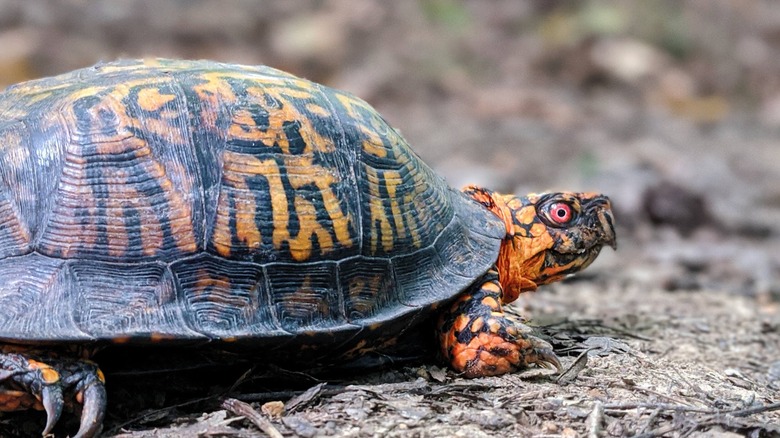
One of the preserve's most elusive residents is the Eastern box turtle. Despite being native to the area, Eastern box turtles are under threat from factors like habitat loss, slow reproduction rates, and the illegal pet trade. In Meyer Preserve, visitors may spot turtles among fallen leaves on the forest floor, and their high-domed shells often feature bright, mottled orange markings that make their appearance quite unique. Beyond the Eastern box turtle, there are several other rare species found within the Meyer Preserve. Keen birdwatchers can try to spot the cerulean warbler, a once-populous migrating species found across Indiana, but now considered endangered statewide with a concerning population decline as severe as 72% within a half-decade up to 2014, as reported by Indiana Audubon.
The Fred and Dorothy Meyer Nature Preserve is also home to several other more common bird species, with birdwatchers recording sightings of scarlet tanagers, brown-headed cowbirds, and even wild turkeys on online birding database eBird. Birders can spot two other rare species on the preserve: the hooded warbler and worm-eating warbler. While the former's distinctive bright yellow color and black hood make it easier to spot, for the latter you want to look closer to the ground, to see it foraging for small insects and caterpillars.
Outdoor enthusiasts will find plenty to do in this corner of Indiana, from laid-back parks like Eagle Creek Park near downtown Indy, with its lake views and peaceful vibes, to lesser-known gems like Morgan-Monroe State Forest, an overlooked forest with scenic lakes and camping. And while you may not spot a wild bison roaming in the Indiana prairie here, there are small yet fascinating creatures populating the preserve, including chipmunks and white-tailed deer.