
The 9 Largest Natural Islands In The United States
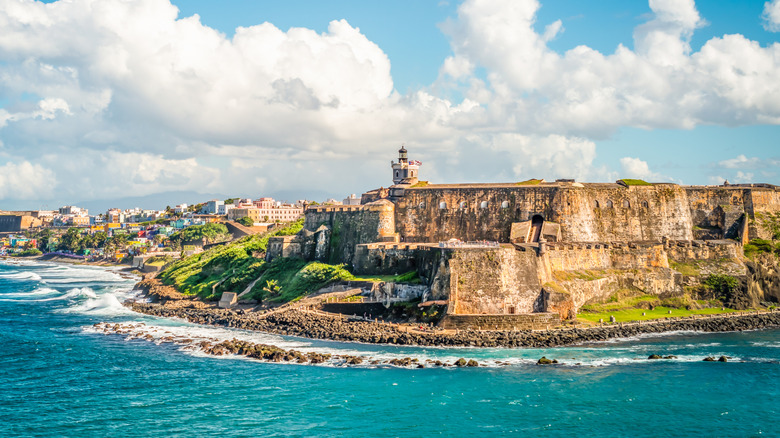
The United States is home to roughly 18,617 natural islands, located everywhere from the Caribbean and South Pacific to the Great Lakes and rugged coastline of Alaska. Some are bustling destinations with colorful cities and world-famous beaches, while others are remote wildernesses where brown bears, whales, and seabirds far outnumber people. The nine largest islands in the U.S. showcase a wide range of landscapes, cultures, and outdoor adventures, from tropical rainforests and volcanic peaks to secluded fishing villages and vast wildlife refuges.
While humans have created artificial islands for millennia, the country's largest islands are all natural and vary dramatically in character. Hawaii Island (Big Island) is the largest in the United States at 4,028 square miles. Meanwhile, the smallest of the top nine is the 1,571 square mile Unimak Island in Alaska. Alaska takes the crown for having the most of any U.S. state, with a grand total of 2,670 islands. Maine follows with 1,906 islands, yet — due to the sheer number of Alaskan islands — Maine doesn't even scrape the country's top nine largest. America's five states with the most islands are all on the East Coast, with the exception of Alaska.
To determine the nine largest natural islands in the United States, we ranked them by total land area in square mileage. Every island on this list is larger than 1,570 square miles, which is bigger than the state of Rhode Island. Some are home to millions and have a booming tourism industry, while others are reachable only by ferry and offer little more than unspoiled wilderness.
Big Island, Hawaii
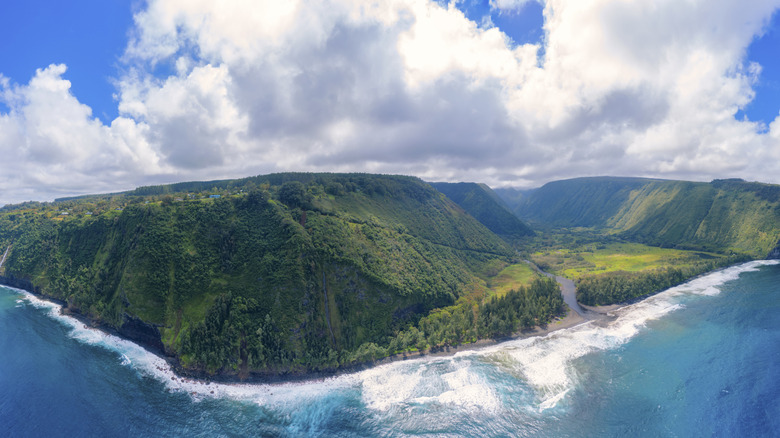
The largest island in the United States is Hawaii Island (Big Island). Covering 4,028 square miles and home to roughly 201,000 people, it's nearly twice the size of Delaware. Despite its size, Big Island is less crowded than Oahu or Maui, making it a fantastic destination for those seeking a more relaxed Hawaii getaway. Visitors can watch lava landscapes at Hawaii Volcanoes National Park, snorkel in the crystal-clear waters of Kealakua Bay, relax on black sand beaches like Punalu'u, or stargaze from the summit of Mauna Kea. The island is easily reached by flying into Ellison Onizuka Kona or Hilo International Airports.
Kodiak Island, Alaska
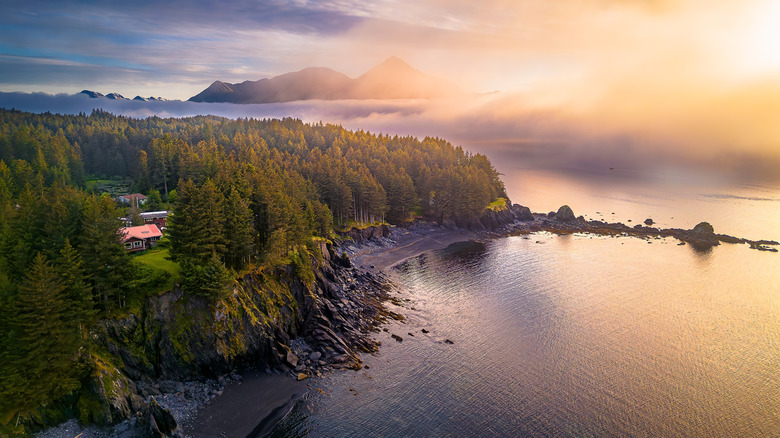
Kodiak Island is the largest in Alaska at 3,588 square miles. While the island is remote, it's home to the vibrant fishing community of Kodiak, along with scenic hiking trails, wildlife cruises, and world-class sportfishing. Nature lovers can explore parts of the Kodiak National Wildlife Refuge, which spans Kodiak and neighboring islands, and is home to roughly 3,000 Kodiak brown bears. If you visit, be mindful of the island's abundant bear population and follow wildlife safety guidelines. Travelers arrive by ferry or by flying into Kodiak Benny Benson State Airport from mainland Alaska.
Puerto Rico, Puerto Rico
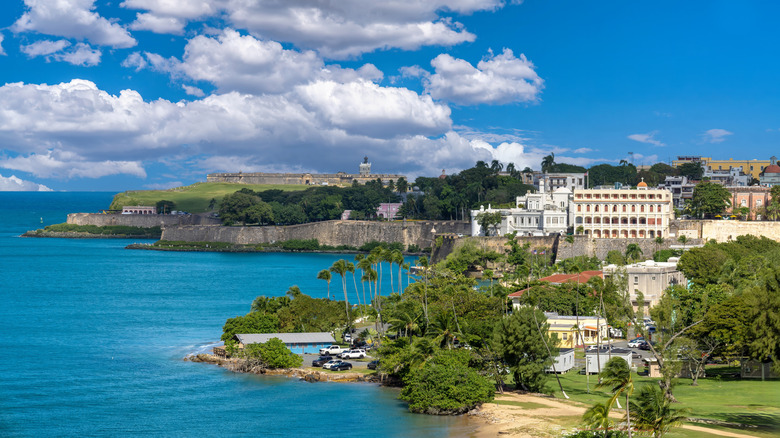
Puerto Rico is the largest of the U.S. Caribbean islands at 3,425 square miles, and the most populated on this list with 3.1 million residents. The 500-year-old capitol, San Juan, is the island's historic and cultural hub, and an excellent base for exploring. Visitors enjoy hiking through the El Yunque Rainforest — the only tropical rainforest in the U.S. National Forest System, relaxing on white sand beaches, exploring the colorful streets of Old San Juan, and sampling Puerto Rico's vibrant local cuisine. An easy flight from major cities, it's a popular destination where U.S. citizens enjoy a tropical vacation without a passport.
Prince of Wales Island, Alaska
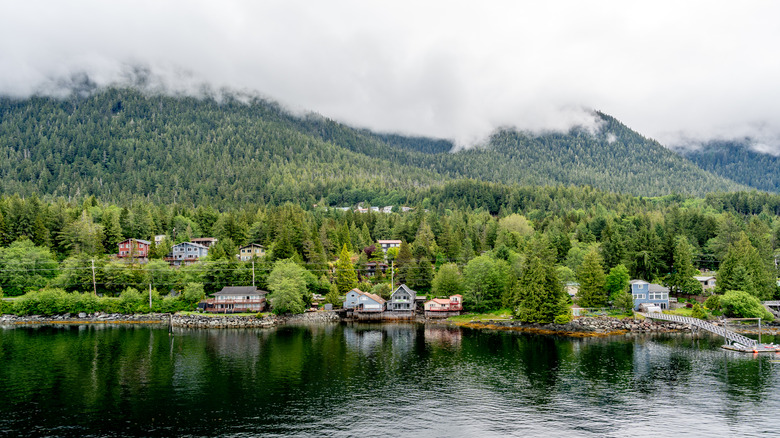
Prince of Wales island (known locally as P.O.W.) measures 2,230 square miles and boasts more than 990 miles of coastline — just 62 miles shorter than the combined coastline of the Hawaiian Islands. Travelers reach the island by ferry or small plane into the town of Ketchikan, a lively cruise port known for its colorful waterfront, salmon fishing, and nearby Misty Fjords National Monument. Visitors can kayak along the rugged coastline, hike through old-growth forests, fish for salmon or halibut, explore sea caves and secluded beaches, and visit small communities showcasing the island's rich Alaskan Native heritage.
Chichagof Island, Alaska
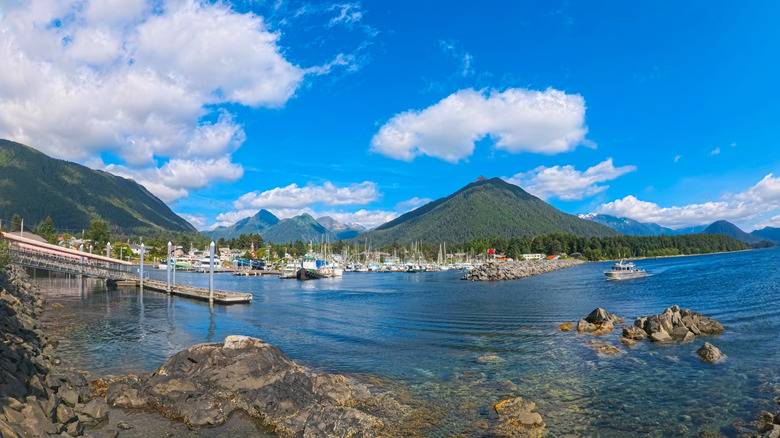
Alaska's Chichagof Island has an area of 2,100 square miles and is among the 1,100 islands of the Alexander Archipelago. This sprawling Alaskan island is home to charming small towns, fishing adventures, and breathtaking scenery, with famed whale watching from Point Frederick. The main town on the island is Hoonah, which travelers can visit by ferry or by chartering a small plane. There is a rich history here, particularly of the Tlingit people, with cultural attractions like carving and totem sites to explore. For thrill-seekers, there's even an epic zipline tour at Icy Strait Point, although most of these are booked through cruises.
St. Lawrence Island, Alaska
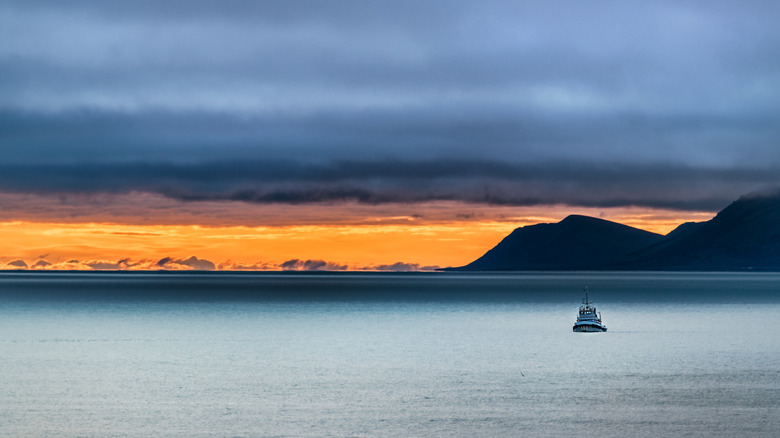
St. Lawrence is the largest island in the Bering Sea, measuring 1,792 square miles with a population of about 1,400 people. Over 95% of the island's population identifies as Alaskan Native, and many still speak Siberian Yupik as their first language. The island's remote setting has played a role in preserving the 2,000 year old Yupik culture, while its location along the Bering Sea makes it a world-renowned birding destination. Travelers can reach the island by regional flights from mainland Alaska to the villages of Gambell and Savoonga.
Admiralty Island, Alaska
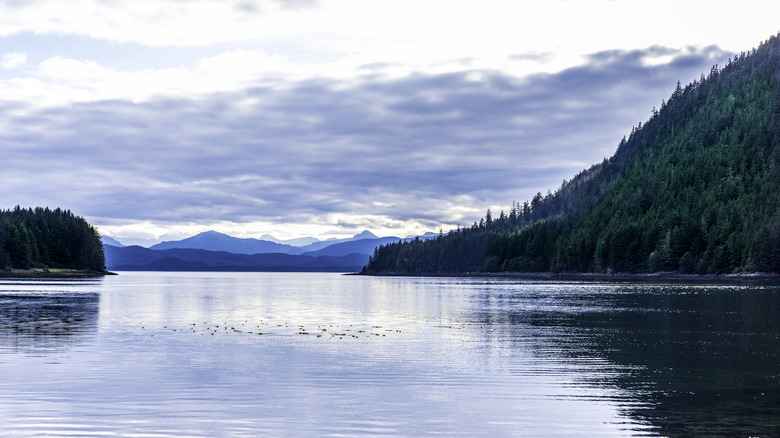
A hemlock-blanketed island in the Alexandra Archipelago, Admiralty Island spans 1,664 square miles with 678 miles of coastline. Here, the Admiralty Island National Monument preserves nearly one million acres of old-growth rainforest, alpine tundra, and rugged coastline, according to Travel Alaska. Visitors can hike, kayak, fish, and explore the island's pristine wilderness, but its biggest draw is wildlife. Only about 650 people live here, but the island supports North America's largest density of brown bears with a population exceeding 1,000, making the ratio of humans to bears roughly 1:3. Travelers typically reach Admiralty Island by boat or floatplane from nearby Juneau.
Nunivak Island, Alaska
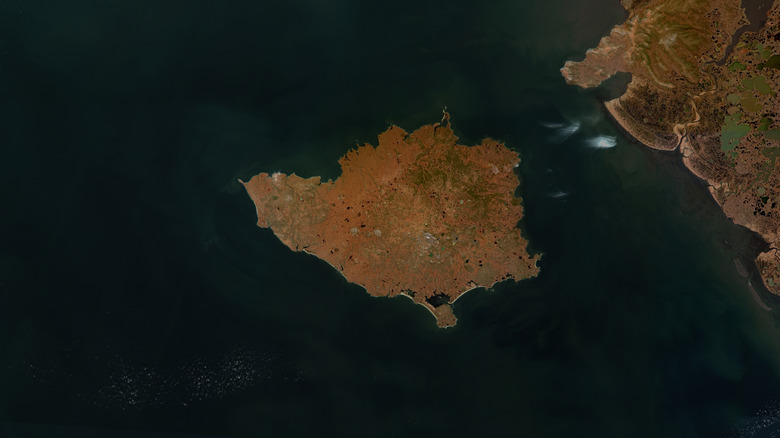
Nunivak Island is another Bering Sea giant measuring 1,631 square miles. The seismically-formed island sits in the delta formed by the Yukon and Kuskokwim Rivers and has a population of only about 200 people, along with nearly three times that of muskoxen — a stocky game animal that closely resembles the North American bison. The island isn't a traditional tourism destination, but visitors come for the regulated muskox hunting season, which runs from August through September and January through March, and is best experienced with a knowledgeable guide. Travelers can reach Nunivak Island by small plane from Bethel.
Unimak Island, Alaska
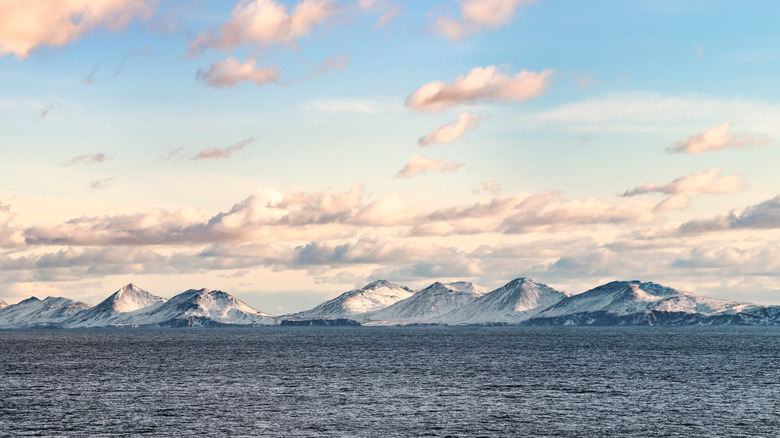
The crown of the Alaskan Peninsula, Unimak Island measures in at 1,571 square miles and is home to the protected Unimak Wilderness. Dense forest covers almost 93% of the island — one of the most volcanically active places in the U.S., with 27 of the country's 46 most active volcanoes. Unimak is stunning, and a perfect destination for wilderness lovers, especially those chasing snow-capped volcanoes, remote wildlife, and untouched landscapes. Visitors might spot brown bears, caribou, and marine wildlife while exploring this remote corner of Alaska. Reaching Unimak is challenging — one of the only options is a ferry running just twice per month in the summer.