
Forget Jasper National Park, Visit Canada's Lesser-Known Park With Unique Wildlife, Beaches, And Historic Sites
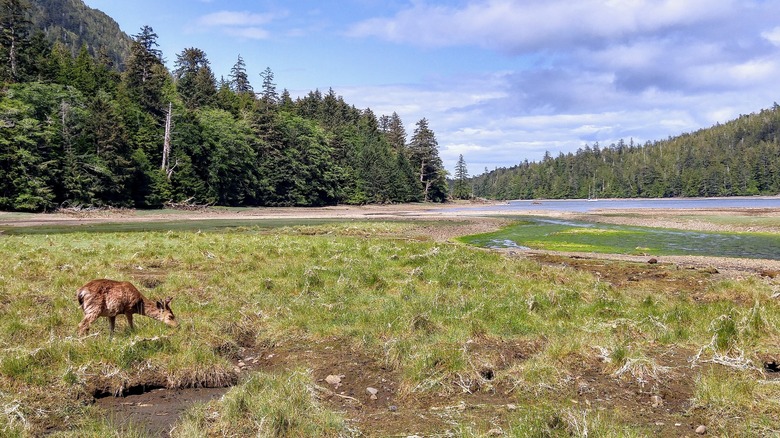
Canada's national parks are often achingly beautiful, with vast forests and pristine waters that cause people to stop and stare in disbelief that such unspoiled places exist. One of the most remote and protected parks is the Gwaii Haanas National Park Preserve, located in the Haida Gwaii archipelago over 60 miles off the northern coast of British Columbia. Teeming with wildlife you won't see elsewhere, completely secluded beaches, and an abundance of Indigenous cultural sites, this park is like its own separate world.
Places like Jasper National Park are easy to drive to and quite popular, and because of this, visitors often find themselves competing for parking and queueing up to take photos at scenic vistas. While these spots definitely deserve to be on your bucket list, there's something special about the truly remote places that make you want to forget about Jasper National Park and explore somewhere that is relatively unheard of and infrequently visited.
This UNESCO World Heritage Site only allows 100 people to visit at a time, per International Parks. Prior to visiting, one must reserve a time and participate in an orientation if arriving by one's own means, according to the Government of Canada. As it is well off the mainland, there are no roads, so seaplanes and boats are the only way there. Considering the remoteness of this place, a tour with a licensed operator an advisable way to visit. The village of Masset is considered a gateway to Haida Gwaii, and direct flights are available from Vancouver International Airport (YVR). As one of Canada's most underrated summer getaways, the journey to Gwaii Haanas is well worth it.
Endemic wildlife and unpopulated beaches await at Gwaii Haanas
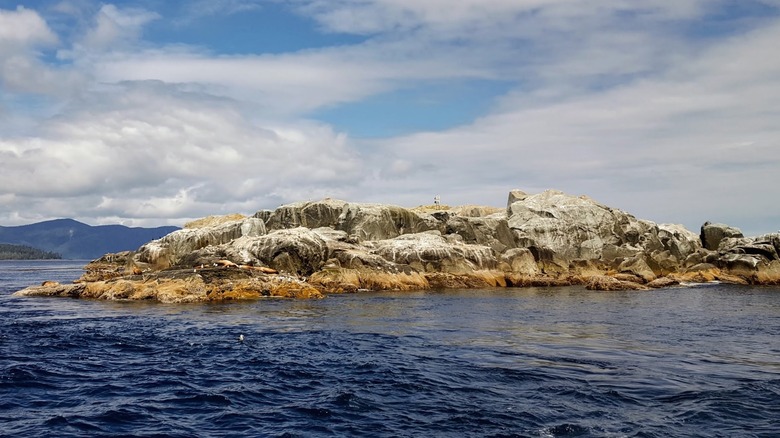
There are animal species in Gwaii Haanas that are only found in this area, which makes the park especially precious. According to Natural Habitat Adventures, birds like the sooty song sparrow, northern saw-whet owl, and pine grosbeak are among the unique wildlife found here. The park is also home to Canada's only nesting grounds for the ancient murrelet, a bird species at risk. With such an impressive number of endemic sub-species in one area, it's no wonder that this stunning island is often compared to the Galapagos.
Instead of named beaches with amenities, you'll find wild, isolated stretches of shoreline. While they are not set up for usual recreation, these beaches are wonderful for awe-inspiring views of the lush trees, deep blue water, and the abundance of wildlife that surrounds you. Agate Beach Campground is one exception, with toilets and fresh water, and agates are plentiful on the beach. You may also camp on the shore, but there are some guidelines in place to help protect the fragile environment.
The wildlife here is truly wild, and it includes a rather large species of black bear — one of the biggest in North America, according to National Parks. Among the animals you'll see are myriad forms of marine life, and you can get closer to them on viewing cruises. Wildlife Worldwide, which hosts some of these excursions, shares that multiple species of whales and dolphins can readily be seen, along with frolicking sea lions. In October, it's not uncommon to witness hundreds of bald eagles hunting salmon near the beaches, according to Tripbase.
Discover Haida heritage at Gwaii Haanas
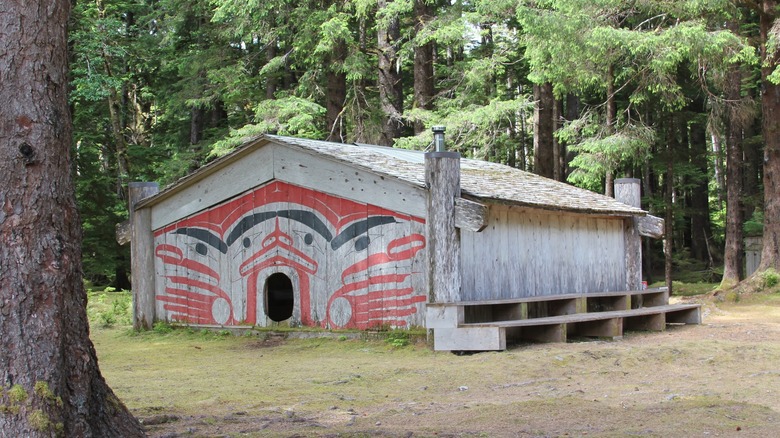
Gwaii Haanas is the ancestral home of the Haida Nation, and their culture is evident in multiple places around the park. UNESCO states that the park has over 600 archaeological sites, as well as two former Haida villages. Guests are often mesmerized by the park's preserved heritage. "Unique and magical. You can feel the ancient roots of the Haida culture and way of life here. Incredible beauty!" one visitor wrote on Google.
Over 13,000 years of Haida history can be found here, including carved totem poles and remnants of longhouses. Many of these sites are protected by the Haida Watchmen, a group of ambassadors and guides who gladly educate visitors about their culture. One such site is G̱andll K'in Gwaay.yaay, or Hotspring Island, where you can relax in natural hot springs surrounded by spectacular views. Before you take a dip, be sure to look for these signs to know if a hot spring is safe to swim in.
Dive deeper into Haida culture at the park's Haida Heritage Centre, which one Google reviewer described as a "gorgeous, educational, and immersing display of the Haida history and culture." The center is open all year, but hours vary slightly by season. Fees to enter the park also vary according to length of stay, and it is wise to check for any closures or important advisories prior to visiting.