
Sandwiched Between LA And San Bernardino Is An Artsy City With A Walkable Downtown And A Vibrant Food Scene
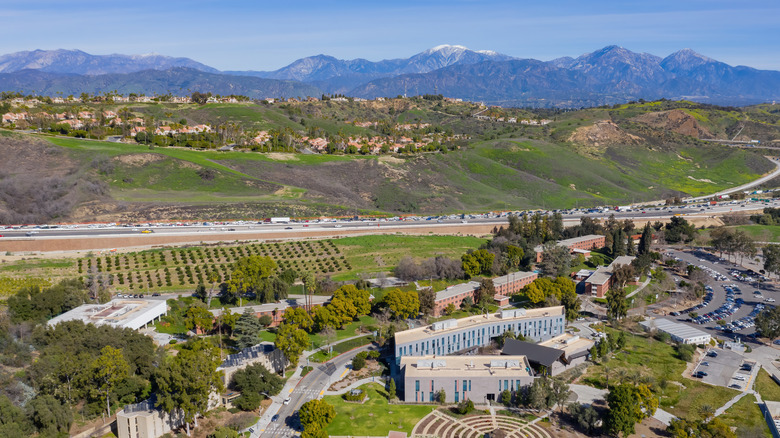
From the Pacific coast in the west to San Bernardino in the east, you'll find lots of cool, small cities sprinkled throughout Los Angeles County's metropolitan sprawl. One such place, about halfway between LA and San Bernardino, is Pomona, a city of art and culture, with theaters, galleries and museums, plus handsome parks and a mix of local and ethnic cuisine. With a population of 151,000, it's the seventh largest city in LA County, and it has more than enough attractions to entice travelers.
Museum buffs might come for the sleek and meticulously curated American Museum of Ceramic Art (AMOCA) or the dA Center for the Arts, whose exhibitions feature painting, poetry, sketching, and music. Foodies should take note, too, because Pomona has lots of great restaurants scattered about town — there's a reason sampling diverse cuisine is one of the unwritten rules for travelers in Los Angeles. Mexican eatery Mariscos Jalisco has a Michelin Bib Gourmand, a designation awarded to restaurants that deliver high-quality food at affordable prices, while restaurants like Coco Palm and VITA Italian Bar & Grill score well on review platforms like TripAdvisor.
Los Angeles has a reputation for being car-dependent, but Pomona's downtown is eminently walkable. With its grid-like streets and star attractions in close proximity to one another, it's a simple city to navigate. On a nice day, it's a charming stroll too, with red-brick buildings, pedestrian-friendly shopping avenues, colorful murals, and palm-fringed squares. You may even encounter a night market and outdoor arts festival if you're here on the second Saturday of the month. Pomona is only a short trip from downtown Los Angeles: under an hour by car, or one hour by train from LA's Union Station — proving that, despite the Hollywood-perpetuated myths about visiting L.A., you don't necessarily have to drive everywhere.
Explore Pomona's Eclectic Arts Scene
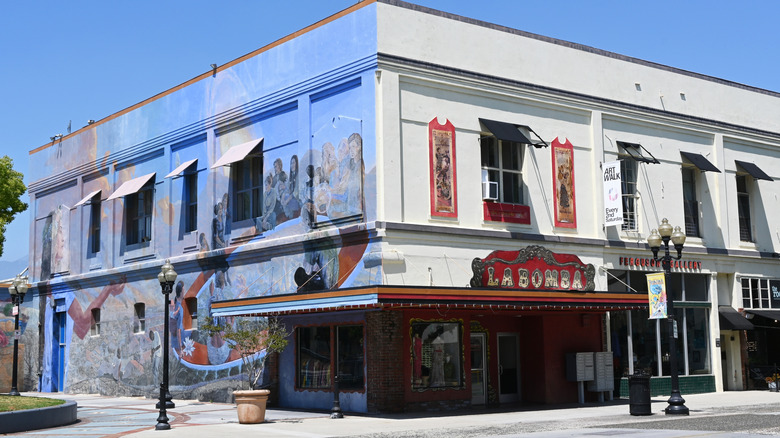
Pomona is proud of its arts heritage and how it has used art to revitalize struggling neighborhoods. If you want to see what that looks like in practice check out its museums and galleries, the best of which congregate in the downtown area. AMOCA was founded by a local collector, David Armstrong, who fell in love with ceramics as a student in Pomona in the 1960s. The largest ceramics-only museum in the U.S., it's located (unsurprisingly) in a region of the country known for its clay. AMOCA's exhibitions run a broad gamut: contemporary Asian ceramics, Indigenous American pottery, and artworks inspired by ancient history. The museum is open weekends only; visit the AMOCA website to see what's currently on display.
It's also worth checking what's on at the dA Center for the Arts. Student art pieces, artworks inspired by cats and dogs, international textiles, and art as a vehicle for catharsis and healing have all served as themes for recent exhibitions. There's a hub of other galleries around Main, 2nd, and Thomas streets, a historic area known as the Pomona Arts Colony. Among the many you'll find here, The Alley Gallery is a champion of painting, music, and street art; Café Con Libros is a library café and gallery whose founders wanted to share "their experiences as women of color, first generation college grads, and immigrant advocates." Also important is the Fox Theater: Redolent of the Hollywood movie studios of old, it's the premier arena for performing arts, hosting concerts and film screenings.
The best time for art buffs to visit the city is the second Saturday of the month, when the monthly Art Walk event takes over the Pomona Arts Colony area of downtown. Food and crafts stalls line the sidewalks, galleries spill out onto the streets, and the place fizzes with a party atmosphere. Plus, you can ride around in a vintage-style street trolley.
Eating Your Way Through Pomona
Pomona derives its name from a wood nymph known to the Ancient Romans as the goddess of fruit. While the mythological Pomona was known for her devastating beauty, the founders of the city were apparently inspired by the nymph's green thumb as much as her aesthetic virtues. This region of Southern California is known for its fertile soils and trees that offer regular and healthy yields of citrus, meaning Pomona was a more than worthy name. Of course, the city is more developed today than when it was dubbed an 'urban garden' in the early 1800s, yet it's still known for high-quality produce, from oranges, avocados, and cilantro in winter to persimmons, guava, and limes in the fall.
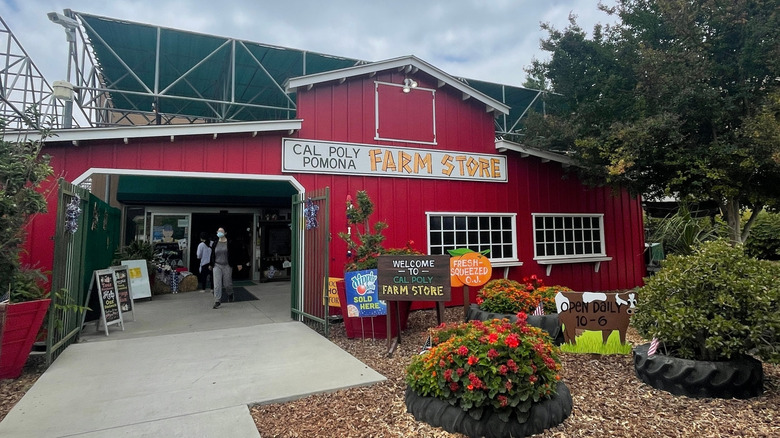
There are numerous places where you sample this produce, like at the Cal Poly Pomona Farm Store on the western outskirts, or more likely for the average tourist, at a local restaurant. In the downtown area, you'll find highly-rated burger joints, Mexican and Vietnamese restaurants, vegan cafés, and coffee houses. One plant-based restaurant, Gorganson's, is one of the top-ranked in Pomona, with 4.8 stars across more than 220 Google reviews. For something special, head out to Coco Palm, a Cuban-Caribbean style restaurant in the hills with a lovely terrace offering stunning views of the city below. VITA, a sleek farm-to-table restaurant blending Italian cuisine with locally-sourced ingredients also offers cooking demos and classes, and has its own sun-drenched terrace with serene mountain vistas.
Mariscos Jalisco, a Michelin Bib Gourmand food truck-turned restaurant on the east side of downtown, is a must-try. The signature zesty tacos are the reason to come, but don't miss out on the fresh fish ceviche or oysters with in-house habanero salsa. There's nothing fancy about this place — just flavor-packed food that testifies to Pomona's vibrant food scene.