
Unwritten Rules You Should Know Before Visiting Los Angeles
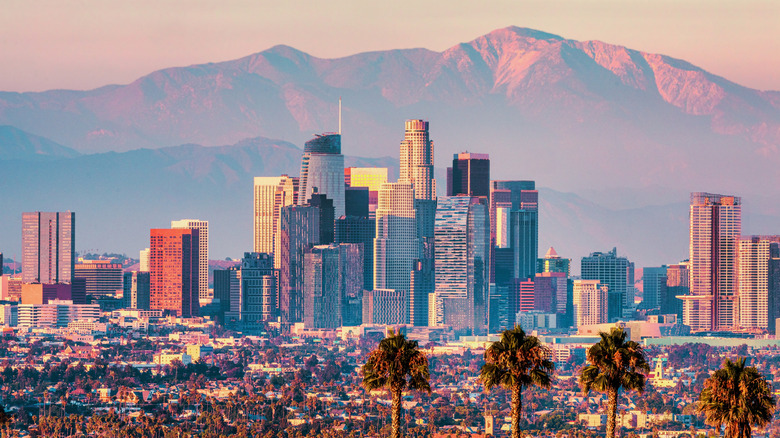
Los Angeles is one of the most visited cities in the U.S., but it also happens to be one of the most misunderstood. Between movies, social media, and sensationalized headlines, many travelers arrive with a very specific idea of what LA is supposed to be, only to discover that reality is much more complicated. It's certainly not all celebrities, palm trees, and luxury cars, nor is it the dystopian wasteland some corners of the internet make it out to be. Los Angeles is a sprawling, diverse region made up of dozens of distinct neighborhoods and communities, each with its own personality, culture, and quirks. And, as with any big place, there are a few unwritten rules that can make the difference between feeling frustrated and having an unforgettable trip.
After living in LA County for almost a decade, I've experienced the area both as a tourist and as a local, and I've learned a thing or two about what to expect when you come to visit. Many of these lessons are things I wish I'd known before moving here, while others are common mistakes I see tourists make again and again. Some are practical, like how to approach transportation or plan your itinerary, while others are understanding local culture and expectations. Whether you're visiting for the first time or returning to go beyond the usual highlights, these unwritten rules will help you experience Los Angeles more confidently and discover a side of the city that goes beyond the stereotypes.
Angelenos take pronunciation seriously (and it's not always what you expect)
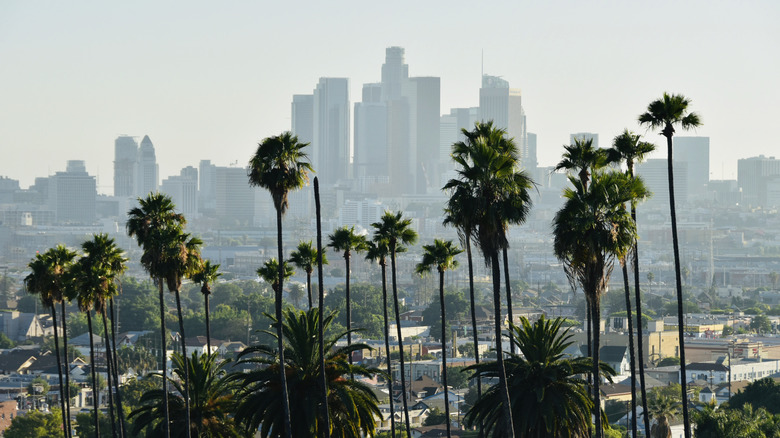
California has Mexican, Native American, and Spanish roots, and you'll see this reflected in various street and neighborhood names across Los Angeles. However, just because some names are originally Spanish does not mean that people will pronounce them that way. In fact, the more widely accepted pronunciation is oftentimes a more anglicized version (think of how we pronounce "Los Angeles"). And locals will often let you know — or at least look at you judgmentally — if you dare use the Spanish version.
The quirk in local pronunciation stemmed from an influx of Midwesterners to California in the early 20th century. And nowadays, many Angelenos will adamantly insist that Los Feliz (a neighborhood in central LA) is pronounced "Lohs Fee-lis" (rather than the Spanish pronunciation, "Los Feh-lees"), El Segundo is "El Say-gun-dough," and San Pedro is the honestly unflattering "San Pea-drow." Truthfully, opinions are split (as reported by the LA Times), and there are plenty of proponents for the Spanish pronunciation as well, which makes it all the more confusing for visitors and newcomers to the city. Whichever pronunciation you opt for, locals have strong opinions. Even after years of living out here, I still dread saying these places out loud.
Look beyond what the media says
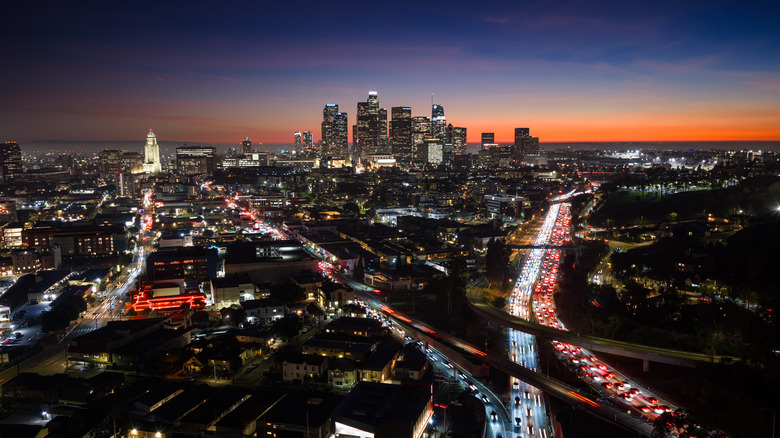
There's plenty that Hollywood gets wrong about Los Angeles, and the media can often create either an over-glamorized perception of the city or the idea that it's extremely dangerous, dirty, and not worth visiting. The truth is, neither portrayal is accurate. LA has its glamorous side, sure, but it's not the reality most people live in. On the flip side, homelessness is a major issue, and Los Angeles has the second-largest homeless population in the United States, according to U.S. News and World Report. It's a multi-layered issue, and certainly doesn't define the entire region, or its people.
Areas like Downtown LA are often depicted as unsafe and chaotic. But it's one of my favorite neighborhoods to explore for architecture, history, and its eclectic galleries packed with local art. I take basic precautions, as I would anywhere (such as not walking alone at night), but I feel generally safe and always encourage tourists to visit, especially downtown areas like Little Tokyo. When you visit the City of Angels, be ready to look beyond any preconceived notions you may have, and certainly don't go into your trip with a judgmental attitude about LA. And if you do encounter people experiencing homelessness, be compassionate; there's no excuse for being rude or hostile.
Don't expect to see celebrities
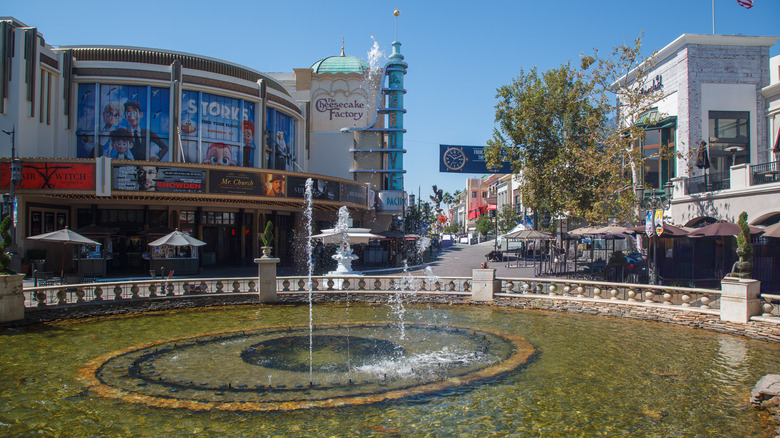
As the epicenter of the global film and television industry, you may be expecting your LA trip to be filled with celebrity-spotting. But because Los Angeles is so spread out and car-centric, the chances of seeing your favorite actor or musician are slim. Sure, some more affluent neighborhoods tend to attract more stars than others, and there are various celebrity hotspots to visit if you want to increase your chances — think glitzy restaurants like the Robert De Niro-owned Nobu or upscale shopping centers like the Grove (although, for the record, I have never seen a celebrity there).
In my eight-plus years of living in LA County, I have yet to see one celebrity (and yes, I am bitter about it). It's also quite possible that some people just have better luck than I do. So while it could happen, it is best not to get your expectations too high. The only way to truly guarantee a sighting is to go watch a live talk show taping (which I would highly recommend) or attend a star-studded event like a Walk of Fame ceremony, which features a public viewing area and is free.
Don't expect to see everything in one trip
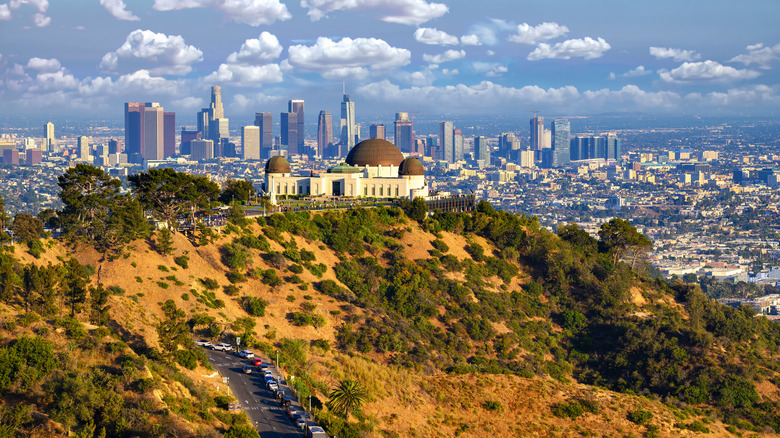
If there's one mistake I see visitors make again and again, it's failing to understand the geography of Los Angeles. The tourist destinations that most people identify with a single entity called "Los Angeles" are actually located in separate cities across Los Angeles County. The iconic Santa Monica Pier, the hidden beaches and dramatic scenery of Malibu, and Beverly Hills's luxurious Rodeo Drive, for example, are all technically different cities, and the entire county spans over 4,000 square miles, according to the LA County website. For that reason, planning your itinerary by neighborhood or region of Los Angeles is crucial — for your sanity, your gas mileage, and for the sake of your overall trip.
While grouping activities by region will greatly enhance your visit, it's still important to be realistic with your itinerary. If you're only visiting over a long weekend, don't expect to knock every top site off your list. Even after years of living here, I still haven't made it to everywhere on my list — that's how much there is to do across LA. To help maximize your time even further, be intentional about which neighborhood you base yourself in. If you want to soak up as much beach time as possible, pick a hotel along the coast. If being as central as possible is most important so you can sightsee, perhaps consider staying around the West Hollywood area, which is easily accessible to destinations like the LACMA (the Los Angeles County Museum of Art), the Griffith Observatory, and the Getty Center, and is known as a walkable hub of restaurants and iconic views.
Always pack layers
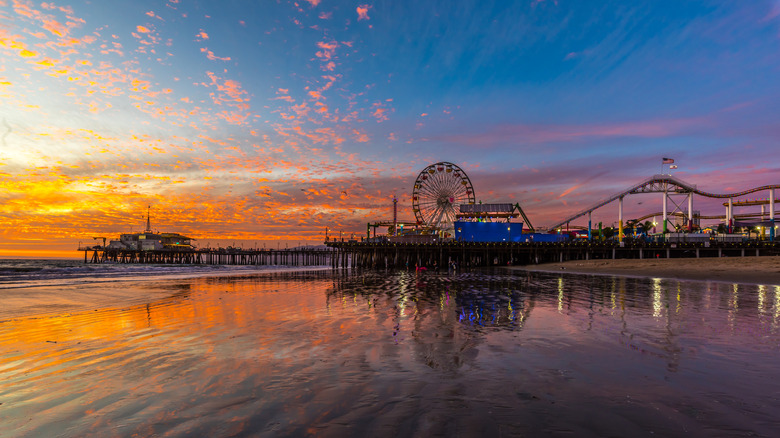
Before moving here, I was under the impression that California has no distinct seasons and that it's 75 degrees Fahrenheit and sunny year-round. So, I was in for a rude awakening when I learned that I couldn't wear shorts and flip-flops the entire year. While the weather is typically pleasant in the winter (and ideal for sightseeing), it's generally not "beach weather," aside from a handful of lucky days. Even as you get into the spring and early summer, temperatures tend to stay a little lower, and skies cloudier, thanks to strange phenomena known as "May gray" and "June gloom."
I've found that consistent beach weather doesn't really take off until July, and it typically extends through October (which is why September and October are the best times to visit; you get the best weather without the intense summer crowds). But even during LA's hottest months, you still want to pack a light jacket. Temperatures can vary widely throughout the county, whether you're right on the coast or more inland (or in a more affluent neighborhood versus a lower-income area, as reported by Caltech). And it can still get chilly at night. Better to be safe than shivering!
Rent a car (and be prepared for the roads)
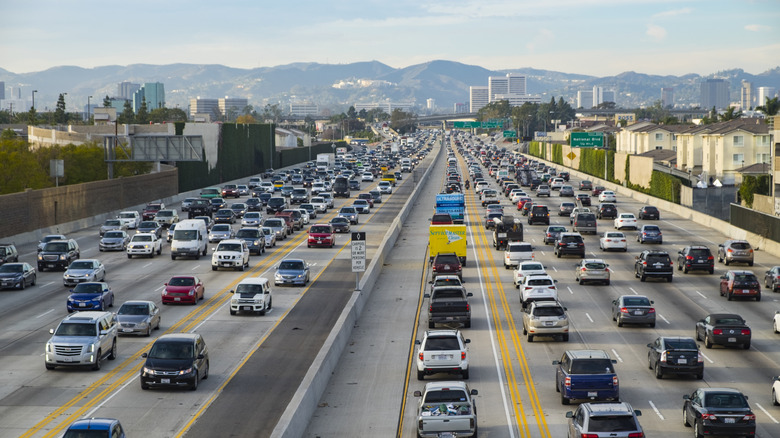
If you're planning a budget-friendly trip to Los Angeles, rule number one is to skip the Ubers. And not only will renting a car save your wallet, but it will also afford you much-needed flexibility for getting around the county. Of course, renting a car is only part of the story. Driving tends to be a bit aggressive here, road conditions can vary across the county, and the rumors about LA traffic are, unfortunately, true. Know what you're getting into, what the driving rules are, and always, always, give yourself extra time to get places. The worst of LA rush hour tends to stretch from 7 a.m. to 10 a.m., and 4 p.m. to 7 p.m. (according to Discover Los Angeles), so avoid driving long distances at those times. It's also why paring down your itinerary (and organizing your days by neighborhood) is so important, as there's nothing worse than spending your entire trip in the car.
Despite popular belief, Los Angeles does have safe and affordable public transportation — and the county has been working on various improvements ahead of the upcoming 2028 Summer Olympics. However, it remains impractical for traveling long distances, especially for visitors with limited time on their vacation.
Explore the diverse food scene
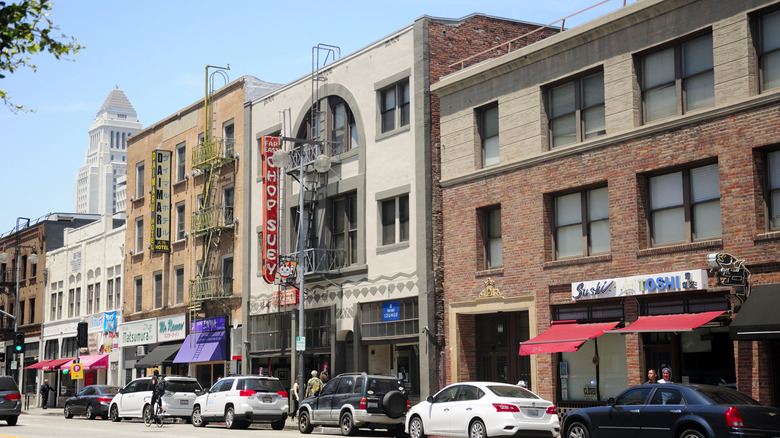
I probably don't need to tell you that LA has amazing Mexican food, and you should definitely plan to get your fill of tacos (and before you ask, there's no one right answer about the "best" taco spot — everyone you talk to will give you a different answer) and other Mexican classic dishes. However, don't overlook the many other quintessential LA meals and cuisines that make up the city's rich food scene.
When it comes to Japanese food, we're truly spoiled for choices (the LA region has nearly 30 Japanese restaurants in the Michelin Guide alone), and there's no shortage of top-notch Thai and Korean food either. If you've never tried Cambodian food, head down to Long Beach, an LA County city with the largest Cambodian population outside of Cambodia, and a whole slew of restaurants serving dishes like Khmer rice porridge, noodle bowls, beef lok lak, and the like.
Across the county, there's practically every global cuisine you can think of. Los Angeles also has a whole lineup of iconic dishes, from the French dip (specifically, from Philippe the Original) to fried chicken and waffles from the Hollywood-based chain Roscoe's Chicken 'N Waffles. And don't be afraid to try street food, either — it's an LA right of passage.
Don't leave anything visible in your car
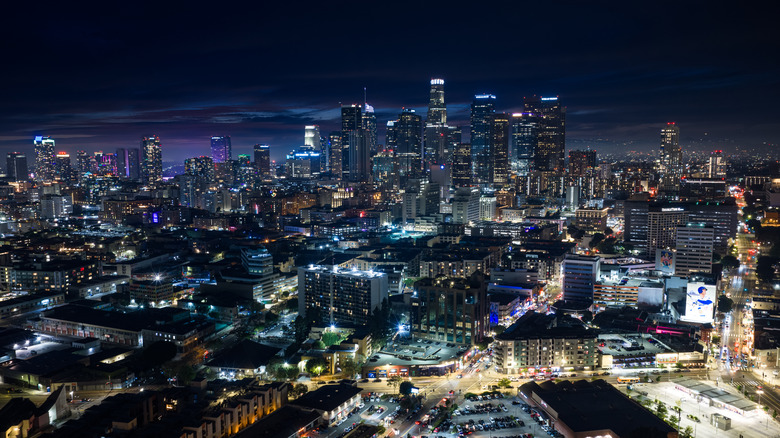
Although it's always a good idea to follow basic safety precautions, I would never call Los Angeles unsafe. In fact, I think it's actually much safer than people realize. According to a U.S. News survey evaluating the most dangerous cities in the country (based on murder and property crime rates), Los Angeles isn't even in the top 25.
With that said, there is one thing I want to caution you against. Unfortunately, I know too many people who've dealt with car break-ins (myself included), which is why I am now extremely strict about not leaving anything visible in my car. That doesn't just mean valuables — also avoid leaving any cables, phone chargers, or sunglasses visible. And of course, always be sure to lock your car and leave windows rolled up. This is a common-sense precaution, and isn't unlike how I'd behave in other major cities. But there's nothing that brings down a vacation quite like having your possessions stolen.
Go beyond the most touristy attractions and trendy restaurants
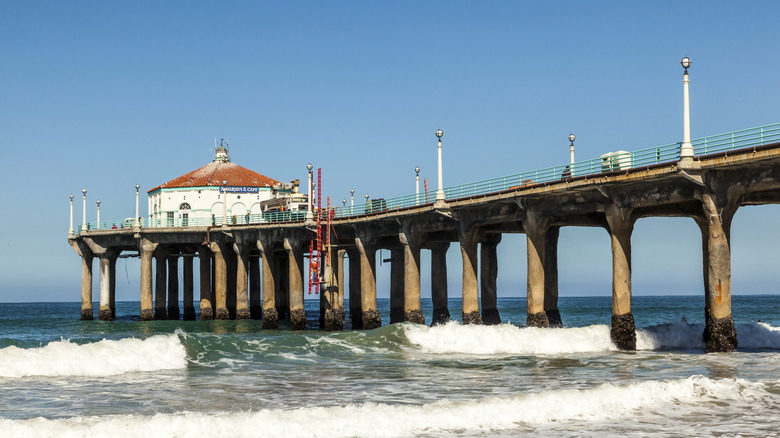
Los Angeles receives around 50 million visitors a year (according to the City of Los Angeles website), and I'd be willing to bet that the majority don't go beyond the most popular sites. While I do still enjoy visiting some of Los Angeles' most touristed destinations (and I think they're generally worth seeing if it's your first time here), you're bound to encounter some popular tourist traps that are better off avoided. I've found that some visitors leave LA unimpressed because their entire trip consisted of the Venice boardwalk, the Hollywood Walk of Fame, and Beverly Hills. There are plenty of neighborhoods, cultural institutions, and even beaches that tourists overlook that actually show a more authentic (and less crowded) version of the city. For instance, one of my favorite beaches as a local isn't Venice or Santa Monica, but Hermosa Beach, a lesser-visited coastal city with a lively pier and picturesque downtown.
The same goes for food. As a major city with a diverse population, Los Angeles has no shortage of amazing restaurants and cuisines to try, but social media-viral restaurants seem to dominate most tourists' itineraries. And more often than not, I've found that those restaurants are geared more towards aesthetics than actually high-quality food. Your stomach (and wallet) will thank you if you're willing to go beyond the most popular spots. Some of the best local restaurants in Los Angeles are tucked away in unassuming strip malls or less touristy neighborhoods.
LA is more than Hollywood
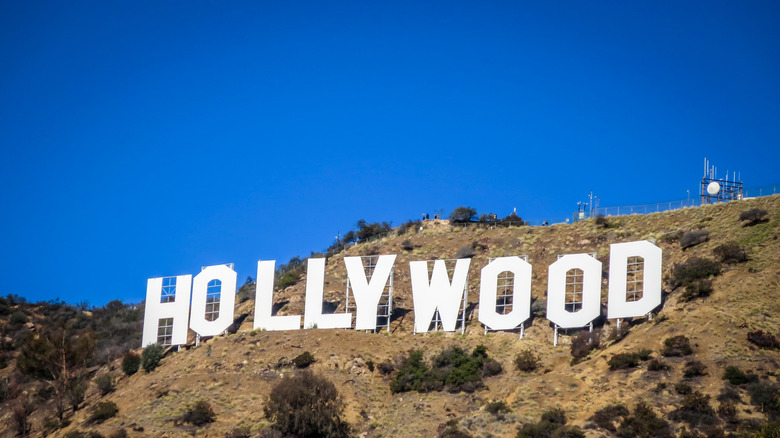
Speaking of going beyond Los Angeles' most popular sites and neighborhoods, understand that LA is so much more than just Hollywood. Sure, glitz and glamor exist here, but if you want to experience what actually makes Los Angeles so special, add some of its diverse, cultural neighborhoods to your itinerary.
Leimert Park, for instance, is known as the "Black Greenwich Village" for its restaurants and jazz, while Little Tokyo is one of my favorite historic neighborhoods, teeming with authentic dining and unique Japanese shops. Olvera Street, meanwhile, is Los Angeles' oldest street, and is home to a colorful Mexican market and long-running eateries. And that's only scratching the surface — there's also Thai Town, Little Ethiopia, Koreatown, Historic Filipinotown, Chinatown, and many more. Los Angeles is one of the most diverse cities on the planet, with Strommen reporting that more than 220 different languages are spoken in the city. Embracing this diversity is a must on any visit to the City of Angels.
Yes, it is possible to visit LA on a budget
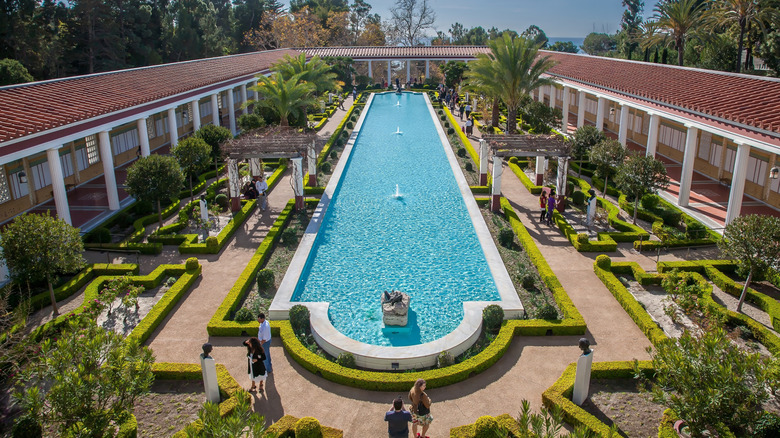
Los Angeles has a reputation for being expensive, and it definitely can be. But it's more than possible to visit affordably, especially if you follow these tips about exploring beyond the most popular places. Some of the most exciting things to do in Los Angeles are also free, from visiting the Getty Center and Villa to watching a live taping. My favorite pastimes here include visiting the beach, hiking, and exploring different neighborhoods, all of which are budget-friendly.
Sticking to a budget does require a bit of research. Visitors should always double-check whether museums or attractions have any special free days or available discounts. For budget-friendly restaurants, I always find great spots by digging through Reddit. Before visiting new places, I also look up the parking situation, so I have a plan for quickly finding an affordable lot or free street parking. You can even consider a Go City Los Angeles Pass, which lets you visit multiple top attractions for a single set rate.
Be prepared for natural disasters
As someone who didn't actually grow up in Los Angeles, I will never get completely used to the idea of earthquakes (native Angelenos are surprisingly relaxed about the whole "big one" striking at any time thing). But as I've also learned, the key to navigating earthquake territory — and other disasters like wildfires, and even extreme heat — is preparation. It's a good idea to have an emergency plan and know what to do in the event of an earthquake. For instance, don't try to run outside; if you're outside, move away from trees, buildings, or power lines. Travel insurance is also always a good idea to make sure you're protected if the worst-case scenario does happen.
But once you've taken those steps, try to relax and put it out of your head. There are an estimated 10,000 earthquakes per year in Southern California alone (according to the USGS), most of which you don't feel at all. If you've prepared, there's nothing else you can do, so don't let fear put a damper on your vacation.