
Between Columbus And Pittsburgh Is Ohio's Once-Scenic Wildlife Area With An Upsetting Future Ahead
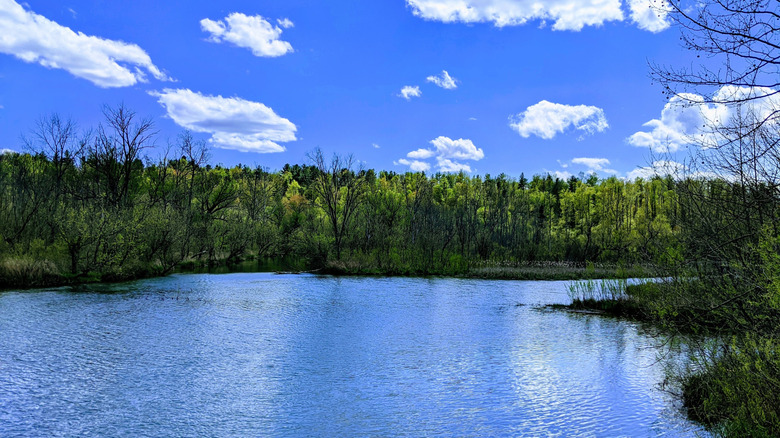
On June 29, 2026, the Ohio Oil and Gas Land Management Commission approved a final set of bids that opened up 13,000 acres of land in Egypt Valley Wildlife Area to fracking. The announcement of fracking in the wildlife area — which is located about two hours from Columbus and about 90 minutes from Pittsburgh — has stirred up a hornet's nest. "Egypt Valley has already been through decades of strip mining, with scars still visible across the land. Now just as the forests, grasslands, and ponds are starting to recover, oil and gas companies want to frack it," protests Save Ohio Parks, a non-profit aimed at protecting public land from fracking and oil operations.
The area's approximately 70-year-long history of strip mining for coal had once nearly decimated its environment, reducing water access and destroying farms in favor of quick, cheap coal. According to a 1970 New York Times article, the strip mine produced almost 5 million tons of coal a year, and "nearly obliterated the township of Kirkwood" in the process. In 1995, the Ohio Department of Natural Resources (ODNR) acquired the land, turning it into a natural preserve and recreation spot. The ODNR slowly introduced new animals and fish into the area and allowed nature to reclaim itself.
Decades later, this former mining area is a serene ecological haven. Grasslands, brushlands, and second- and third-growth timber have covered up the mining sites, and animals thrive in the backwoods. Egypt Valley is now home to a robust population of river otters, which were successfully reintroduced here in the 1990s, and it's an important stop for migratory birds, like eagles and ospreys. Deer and rabbits sneak between the bushes, while ducks and waterfowl bob along the water. Even species that aren't typically found in this part of Ohio are often spotted here, like the short-eared owl or northern harrier.
Fracking accidents could affect Egypt Valley's delicate environment
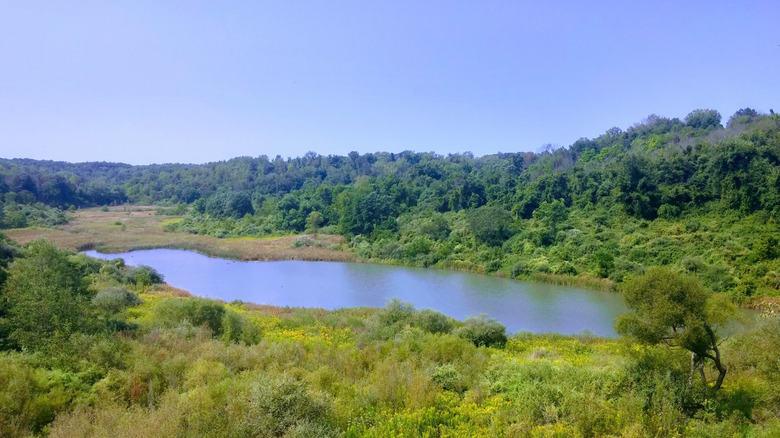
Fracking has long been protested for its negative effects on natural environments. It pumps high-pressure jets of water, sand, and other chemicals into the ground, which breaks up rock and soil, while also releasing trapped oils or gases. Accidents at a fracking site can release pollutants into the air and leak toxic chemicals from contaminated wastewater into other, nearby water sources.
These kinds of fracking accidents are more common than one would think. Fractracker recorded approximately 1,900 incidents between 2015 and 2025 in Ohio alone, many of which went largely unnoticed. The fracking accidents that do make headlines highlight the devastating effects on the environment, like the 2014 explosion at a Halliburton fracking site, which leaked toxic chemicals into the Ohio River and killed approximately 70,000 fish (per the Natural Resources Defense Council). There was also a 2023 oil spill that severely contaminated the Tuscarawas River near the pretty parks of the "Magic City" of Barberton. While there's no guarantee similar accidents will occur in Egypt Valley, the possibility doesn't bode well for the area's streams and ponds, which could become as polluted as the Ohio River, one of America's dirtiest rivers — further affecting the area's vegetation and wildlife.
While the ODNR has submitted a proposal to protect the area's wildlife during fracking, Egypt Valley Wildlife Area still faces a grim future, as a 2013 law allows companies to withhold information about the combination of toxic substances used in fracking by claiming it as a "trade secret." It also allows companies 60 days after finishing operations to disclose the substances used — in other words, long after any preemptive measures can be taken.
The future of recreation at Egypt Valley Wildlife Area
It's scary to think of the consequences of potential fracking accidents, but what if everything goes right? What if there are no explosions, no oil spills, and no gas leaks? Unfortunately, even if everything goes well, fracking will still affect the recreation opportunities that Egypt Valley currently offers.
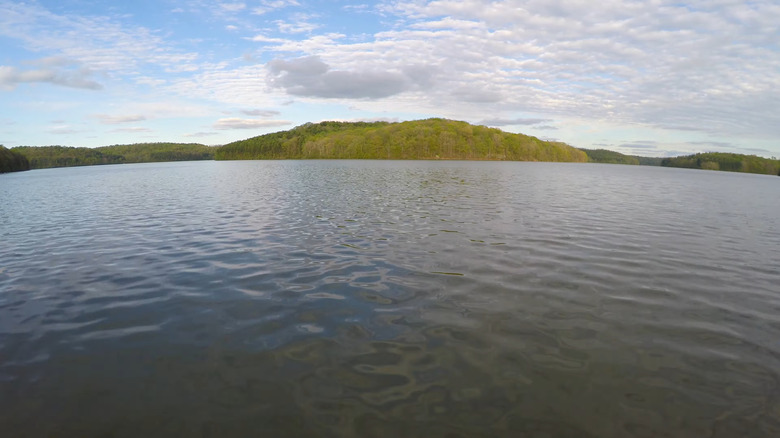
Fracking uses up freshwater resources at an alarming rate, with little of that water ever returned to the water cycle. Fracking companies typically source water from nearby waterways, which, in Egypt Valley's case, is likely to be the popular outdoor recreation backdrop of Piedmont Lake. Currently, the lake is popular for boating and fishing, but fracking could deplete its water to a level that may make it unsuitable for recreation or sustaining a sizable fish population, especially if combined with a drought. The Muskingum Watershed Conservancy learned all about this in 2024, when they were temporarily forced to stop selling Atwood Lake's water to oil and gas companies (via News from the States).
Egypt Valley is also a popular game hunting site, which will likely change once drilling begins in earnest. The loud noises and bright lights associated with fracking are known to drive animals away or change their behavior. In one study reported in The Wildlife Society, deer and rabbits — two popular game animals in Egypt Valley — were found to avoid busy roads and natural gas facilities, respectively. Fracking also involves significant logistical operations to bring in construction equipment, manage wastewater "flowback," and transport materials to and from the site. That means more roads built, more trucks moving, and more noise ruining the quiet, remote nature of Egypt Valley, which currently has almost no vehicular traffic. Similar disruptions have already been reported in other areas with large-scale fracking operations (via Allegheny Front).